Holiday COVID-19 surge to blame for rising cases of inflammatory syndrome in children in some US cities
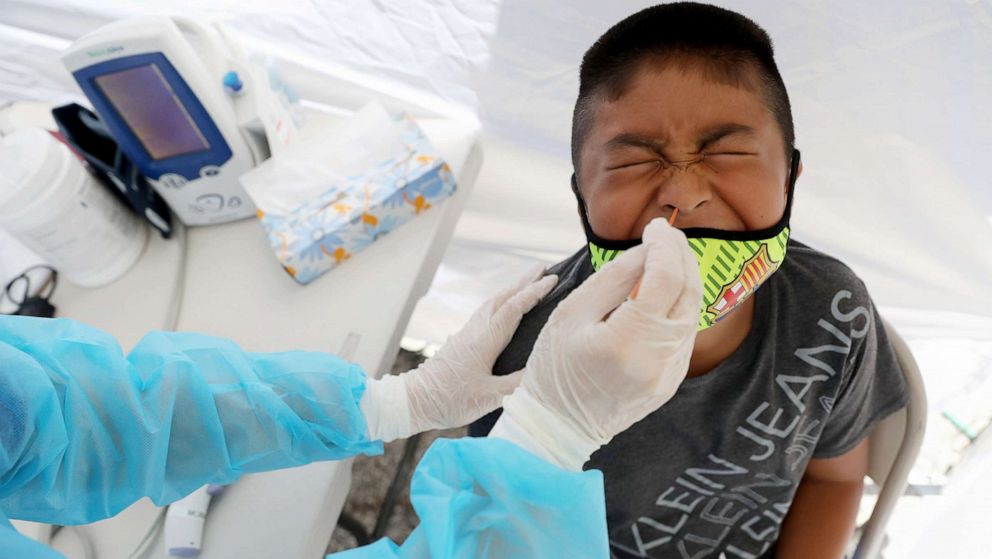
In recent weeks, hospitals in Washington, D.C., Los Angeles, Colorado, Nebraska and New Jersey have reported an increase in cases of MIS-C cases, a rare inflammatory condition found in children.
The apparent uptick in MIS-C cases coincides with a decrease in COVID-19 cases nationwide, in the wake of a post-holiday surge. But experts interviewed by ABC News explained that there is often a lag -- sometimes three to four weeks -- between COVID-19 infections and the onset of MIS-C symptoms.
"MIS-C is a post-infectious complication of coronavirus infection, which only manifests about four weeks, or longer, after a child has had their initial infection," said Dr. Audrey John, a pediatric infectious disease specialist at Children's Hospital of Philadelphia.
Most children infected with COVID-19 are asymptomatic or have mild symptoms. While MIS-C is rare, its effects can be devastating and life-threatening, with some patients experiencing inflammation of the heart, lungs, kidneys, brain, skin, eyes or gastrointestinal organs.
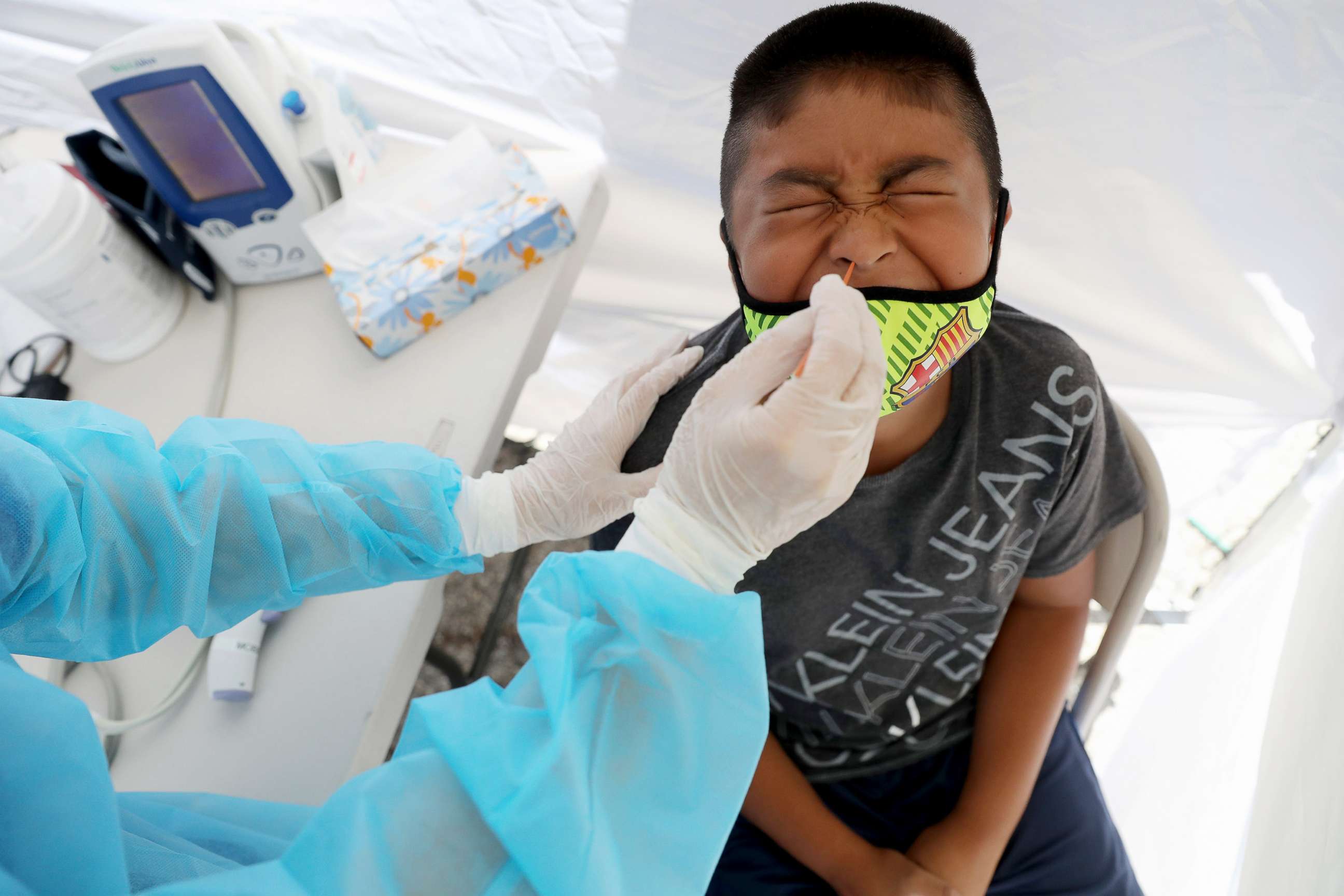
"The rise in MIS-C cases is likely due to the rise in number of COVID-19 infections, ultimately from the recent holiday surges like Thanksgiving, Christmas, New Year and the Super Bowl," said Dr. Todd Ellerin, an ABC News contributor and infectious disease specialist at South Shore Health.
Infectious disease experts said there's no evidence new COVID-19 variants are more likely to cause MIS-C, and the most likely explanation for the increase in cases is the uptick in overall COVID cases during the most recent surge.
According to the Centers for Disease Control and Prevention, at least 2.8 million U.S. cases of COVID-19 have been in children. There have been about 2,060 cases of MIS-C, to which 30 deaths have been attributed.
Although the CDC said the past six weeks of data isn't complete, hospitals are reporting a dramatic uptick in cases -- LA County reported a 35% increase in children with MIS-C over the last two weeks.
"MIS-C could present up to 12 weeks reportedly after acute COVID-19 infection, even if asymptomatic, so we are probably in the middle of the MIS-C wave," said Dr. Michael Chang, a pediatric infectious disease specialist with McGovern Medical School at UTHealth in Houston.
Children with MIS-C may develop symptoms including fever, palpitations, rapid breathing, abdominal pain, vomiting, diarrhea, fatigue, headache, enlarged lymph nodes or redness and/or swelling of the eyes, lips, tongue, hands, or feet. That makes diagnosing MIS-C cases much more challenging, as it mimics many common pediatric illnesses.
Mirroring racial disparities with COVID-19 infections, MIS-C is seen more frequently among Black and Latino children, however a significant amount of work remains to determine how race, ethnicity and underlying socioeconomic status play into the trends of MIS-C cases across the pediatric population. Fortunately, most children with MIS-C respond well to IV fluids, antibiotics, steroids and/or IVIG therapy, and they fully recover.
While experts still don't understand exactly why some children develop MIS-C and others don't, more COVID-19 cases among children also likely means more MIS-C cases. It's why health experts and pediatricians are pushing for vaccines for children, not just people 16 or older covered by current vaccines.
"Children are our most precious resource," said Dr. Tina Cheng, chair of the Department of Pediatrics at Cincinnati Children's Hospital. "They are less than 10% of U.S. health care spending, but they are 100% of our future."
Raehannah Jamshidi, M.D., Ph.D., a pediatric resident with McGovern Medical School at UTHealth in Houston, is a contributor to the ABC News Medical Unit.