How to keep kids safe as carbon monoxide hospitalizations spike this winter
America's Poison Centers, the organization representing more than 50 accredited poison control centers nationwide, is reporting a spike in weather-related calls including carbon monoxide poisonings following last weekend's winter storm, which dropped massive amounts of snowfall and caused a deep freeze across much of the country.
Nearly 200 winter-related calls have come into poison centers since Jan. 21, with 32.8% of exposures involving carbon monoxide and more than a quarter of poison center calls for winter-related exposures involving children under 6, America's Poison Centers told ABC News.
Monroe Carell Jr. Children's Hospital at Vanderbilt in Nashville, Tennessee, reported an increase in carbon monoxide poisoning cases this week as well, telling ABC News that at least 46 children have been treated so far after winter weather knocked out power in the Nashville area for hundreds of thousands of residents.
"With the widespread power outages in our area due to ice and snow- unfortunately, many folks may have resorted to using heating options that are not optimal," a hospital spokesperson said.
Here's what experts are reminding people about as more freezing temperatures and winter weather conditions are expected for the rest of the week.
What is carbon monoxide poisoning?
According to the Centers for Disease Control and Prevention, carbon monoxide poisoning occurs when someone is exposed to carbon monoxide, or CO, a colorless and odorless gas, for too long. Many household items can emit carbon monoxide, including gas and oil furnaces, stoves, charcoal grills, generators, water heaters and the exhaust system of cars and trucks.
Over 400 Americans die from CO poisoning each year, and over 100,000 emergency room visits are due to CO poisoning, per the CDC.
What are the symptoms of carbon monoxide poisoning?
The CDC notes that CO poisoning can cause flu-like symptoms such as chest pain, confusion, dizziness, a headache, an upset stomach, vomiting and weakness. Inhaling too much carbon monoxide can cause a loss of consciousness and can be deadly.
Those at higher risk of CO poisoning include babies and infants, older adults, anyone with breathing or respiratory issues, and individuals with chronic conditions such as anemia and heart disease. People who are sleeping, intoxicated or under the influence of medications or substances are also at a higher risk of dying from carbon monoxide before they exhibit CO poisoning symptoms.



How is carbon monoxide poisoning treated?
Doctors may treat someone with CO poisoning by administering 100% oxygen, such as through a specialized mask or ventilator, for several hours until symptoms subside, according to the CDC.
How to stay safe and avoid carbon monoxide poisoning
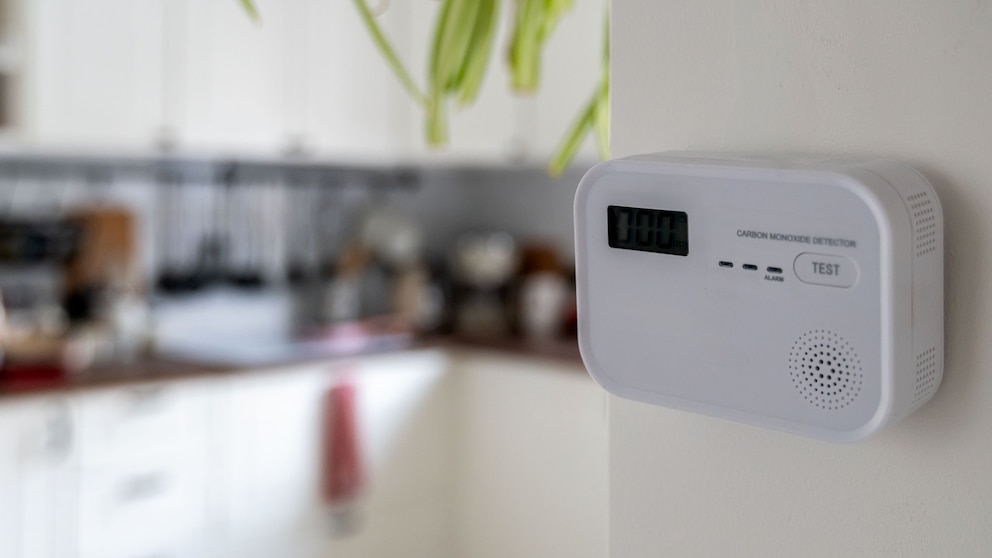
The CDC recommends installing carbon monoxide detectors in every bedroom and every level of the home, such as digital detectors that indicate high levels of carbon monoxide and those that can emit alarm sounds.
Homeowners and families should also regularly check CO detectors at least twice a year and change batteries if needed. CO detectors should be replaced according to manufacturer instructions or every five years, per the CDC.
Homeowners should also have ways of venting such as chimneys, heating systems like a water heater, and gas, oil, or coal-burning appliances serviced by licensed technicians every year to make sure they are working properly.
When using a portable generator at home, the Consumer Product Safety Commission recommends never using it inside the house, a garage, carport or porch. Generators should always be used outside, at least 20 feet away from a house, and generator exhaust should be directed away from the home.
If anyone suspects CO poisoning, they should call 911. Expert advice is also available 24/7 through the Poison Help line at 1-800-222-1222 or at PoisonHelp.org.
Youri Benadjaoud, MPH, a member of the ABC News Medical Unit, contributed to this report.