KP.2 is now the dominant COVID variant. Experts say US may see a summer increase in cases

For the last few months, JN.1 has been the dominant COVID-19 variant in the United States, making up the majority of cases. A new variant, however, has taken over and may lead to an increase in cases this summer.
KP.2, which is an offshoot of the omicron variant, currently accounts for an estimated 28.2% of COVID cases after making up just 1.4% of cases in mid March, according to data from the Centers for Disease and Prevention.
Over the past four years, the U.S. has seen summer waves of COVID and this summer may also bring a rise in cases, but not severe as in past seasons.
"We've had four consecutive increases of COVID in the summers in the last four years," Dr. Peter Chin-Hong, a professor of medicine and an infectious disease expert at the University of California, San Francisco (UCSF), told ABC News. "We expect an increase this summer too, but it probably won't be large and it probably won't be as profound as wintertime."
Chin-Hong said he would refer to the increase as more of a "swell" rather a "wave" or a "surge."

"Like when you're at the beach and you see the swell coming," he explained. "It's not like a tsunami, it's not like a huge wave crashing, it's just kind of like a little swell. But the swell does mean that some people are going to get sick."
Early data indicates KP.2 has more mutations to the spike protein than JN.1, which the virus uses to attach to -- and infect – cells, which could potentially make KP.2 more infectious.
"The virus' capacity to evolve is anticipated, and it's something we've prepared for in our ongoing public health response," said Dr. John Brownstein, an epidemiologist and chief innovation officer at Boston Children's Hospital and an ABC News contributor. "Given the seasonal patterns observed with COVID-19, a slight uptick in cases could be anticipated this summer, making ongoing surveillance and vaccination efforts all the more essential."
Experts say there is no clear evidence that KP.2 -- which some scientists have nicknamed "FLiRT" on social media but is not an official name used by the CDC or the World Health Organization -- causes more severe illness or is more deadly than previous variants.
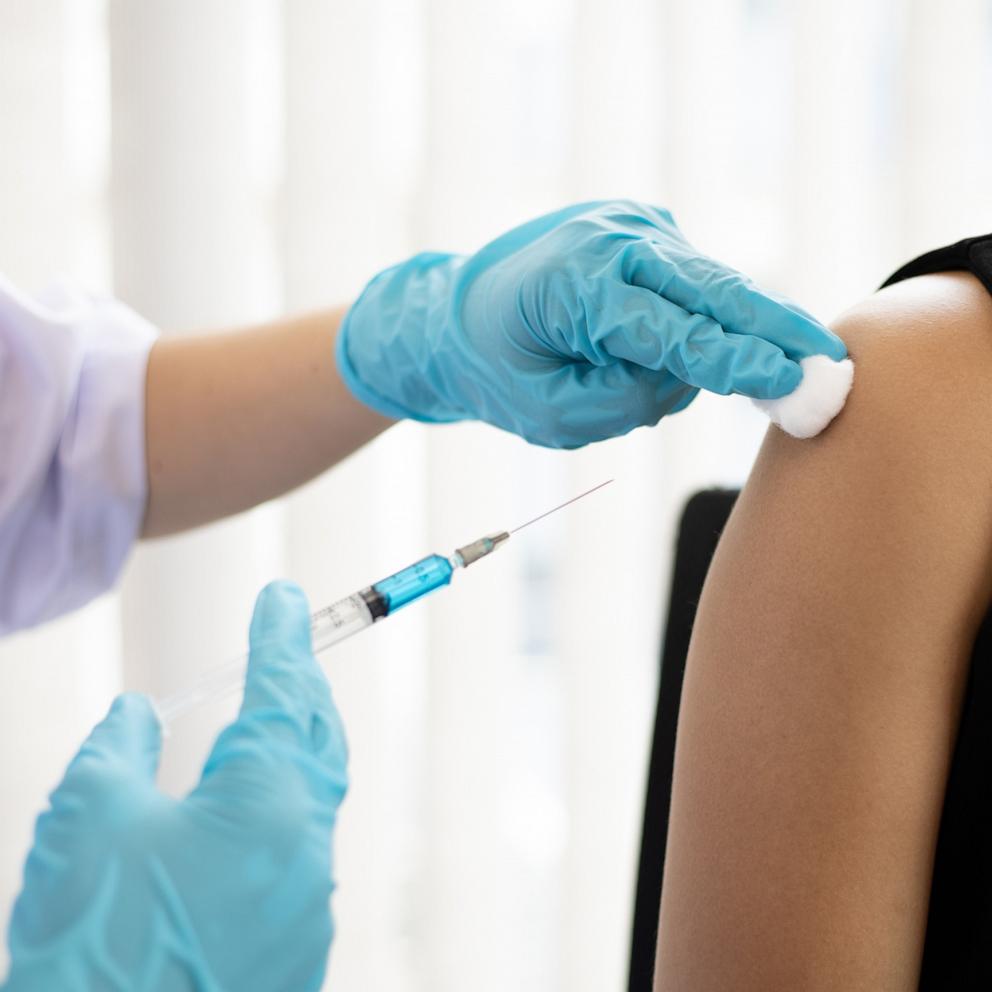
While more studies are needed to see if KP.2 is better at evading current vaccines than other variants, Chin-Hong said his experience at UCSF's hospital over the past few weeks seems to indicate that vaccines are continuing to provide good protection.
He said the one common factor among all the patients hospitalized at UCSF with severe COVID is that none of them received the updated COVID vaccine that rolled out in fall 2023.
"If you haven't done, go ahead and get it," Chin-Hong said.
He added that it's especially important for those who are immunocompromised or more susceptible to severe disease, such as being aged 65 and over, to get vaccinated.
COVID hospitalizations have not been increasing in the U.S., a milestone for the nation.
In late April, the latest week for which data is available, the U.S. hit 5,615 COVID weekly hospitalizations. By comparison, there were more than 150,000 weekly admissions at the peak of the omicron variant circulating in early 2022.

Experts say the U.S. is in a much better place to fight COVID than at the start of the pandemic and new variants are a reminder to remain vigilant, but not to panic.
"We have to remember this virus is now part of the respiratory mix we handle yearly just like influenza and, just like influenza, we try to stay ahead of the game to prepare for any possible surge or to understand how well the vaccines are matched," Brownstein said. "This is all bread-and-butter public health surveillance. It's important to stay up-to-date with vaccines and remain vigilant and stay home when sick."