Millions remain unboosted, as scientists say 3rd COVID shot provides 'significant' protection
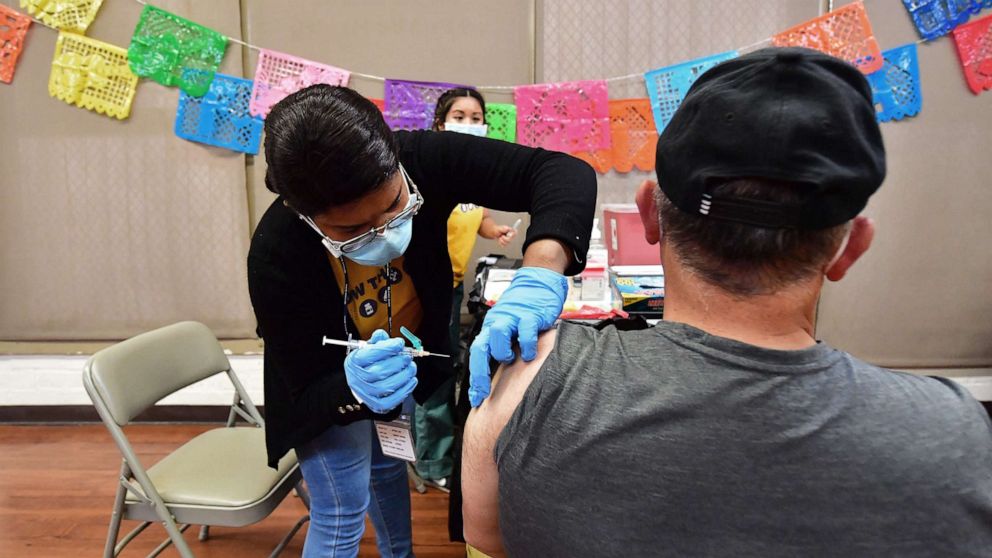
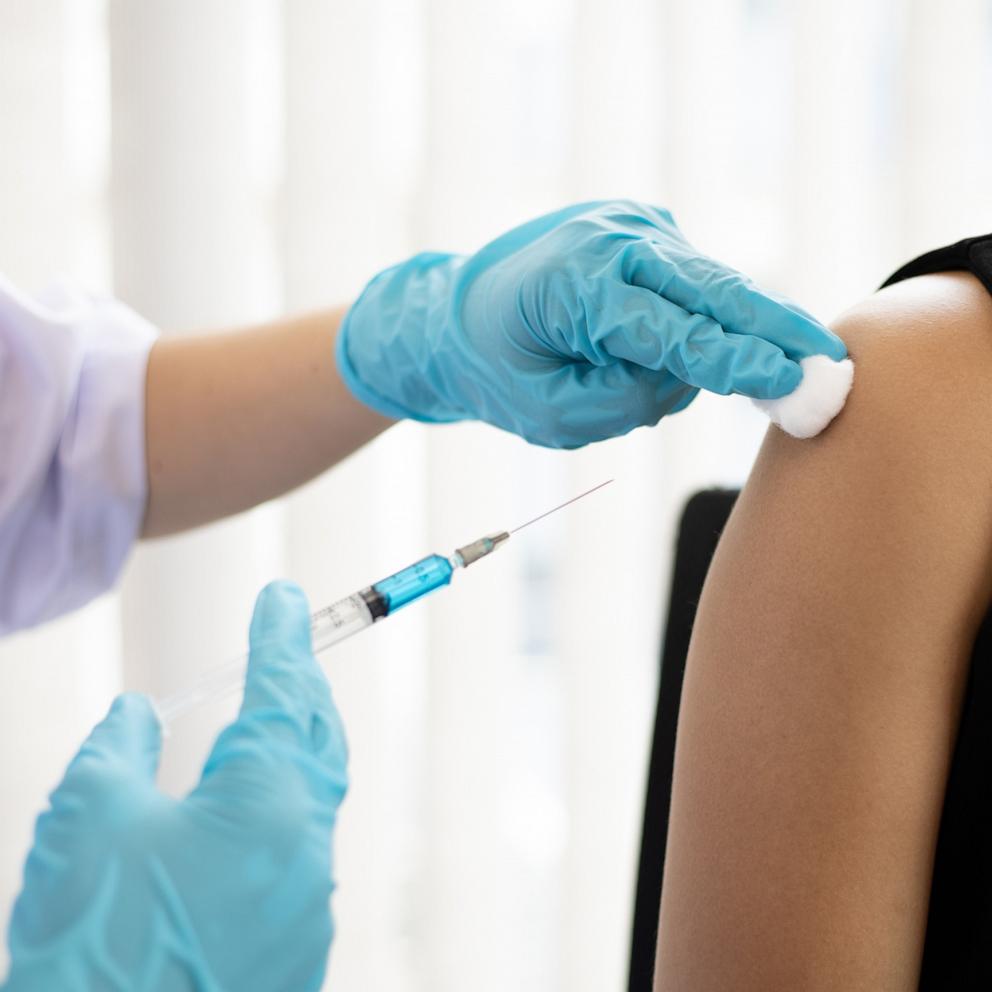
As advisors to the FDA consider what type of COVID-19 shots should be offered in the fall, new federal data reveals a significant proportion of Americans have yet to receive their first and second boosters.
In May, federal officials authorized the use of COVID-19 boosters for children ages 5 to 11 years-old. However, now, nearly six weeks later, fewer than 10% of those eligible — representing just 1.7% of the age group — have been boosted, according to data from the Centers for Disease Control and Prevention (CDC).
Booster uptake among other young populations also continues to lag, with just 28.7% of eligible adolescents ages 12-17 boosted — representing 16% of the age group — and less than 40% of eligible 18- to 49-year-olds — representing 26.5% of the age group — boosted.
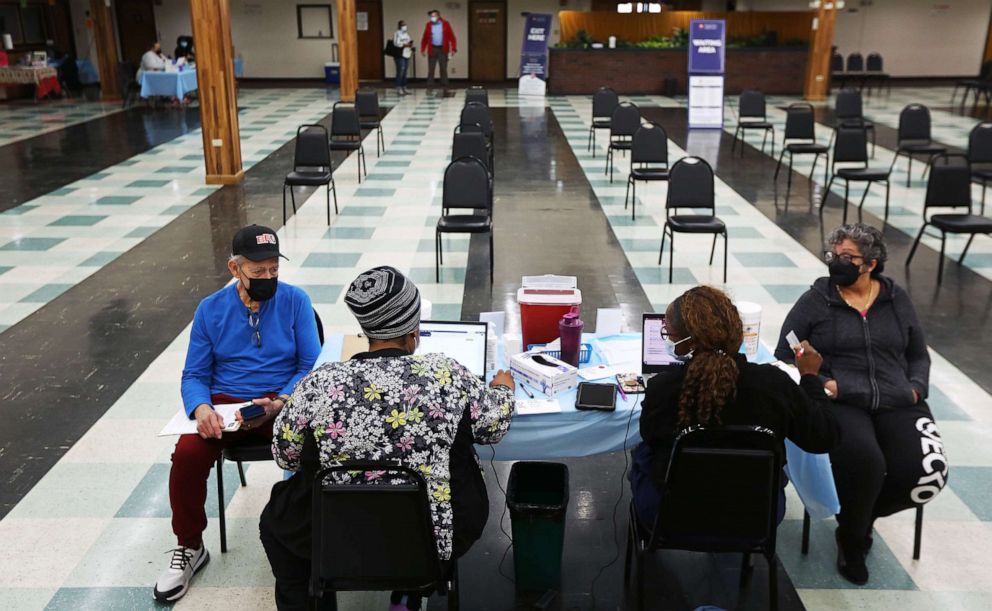
"Despite strong evidence for the value of a booster in providing more complete protection, we are seeing massive confusion on the need for third and fourth shots. The slow uptake has created public health vulnerability as we face a surge from the BA4 and BA5 variants and likely a new variant this coming Fall," said Dr. John Brownstein, an epidemiologist at Boston Children's Hospital and an ABC News contributor.
Older Americans — people over 50 — have proven to be more likely to receive their first COVID-19 booster. Over 55% of the eligible 50- to 64-year-old age group, and 72% of eligible people 65 and older have received their first boost.
However, despite repeated encouragements from federal officials for the immunocompromised, as well as those over 50, to receive their second booster shot, uptake for the supplemental doses has been noticeably slower.
Since the rollout, earlier this spring, fewer than a fifth of eligible people ages 50 to 64 have received their second boost -- only about 8% of the age group. Uptake is a bit higher among the elderly, with 35% of those eligible — representing just 20% of the age group.
In May, the CDC announced that it is "strengthening" its recommendation for Americans over the age of 12 who are immunocompromised and those over the age of 50 receive their second booster shot.
"While older Americans have the highest coverage of any age group of first booster doses, most older Americans received their last dose (either their primary series or their first booster dose) many months ago, leaving many who are vulnerable without the protection they may need to prevent severe disease, hospitalization, and death," the CDC wrote in a press release last month.
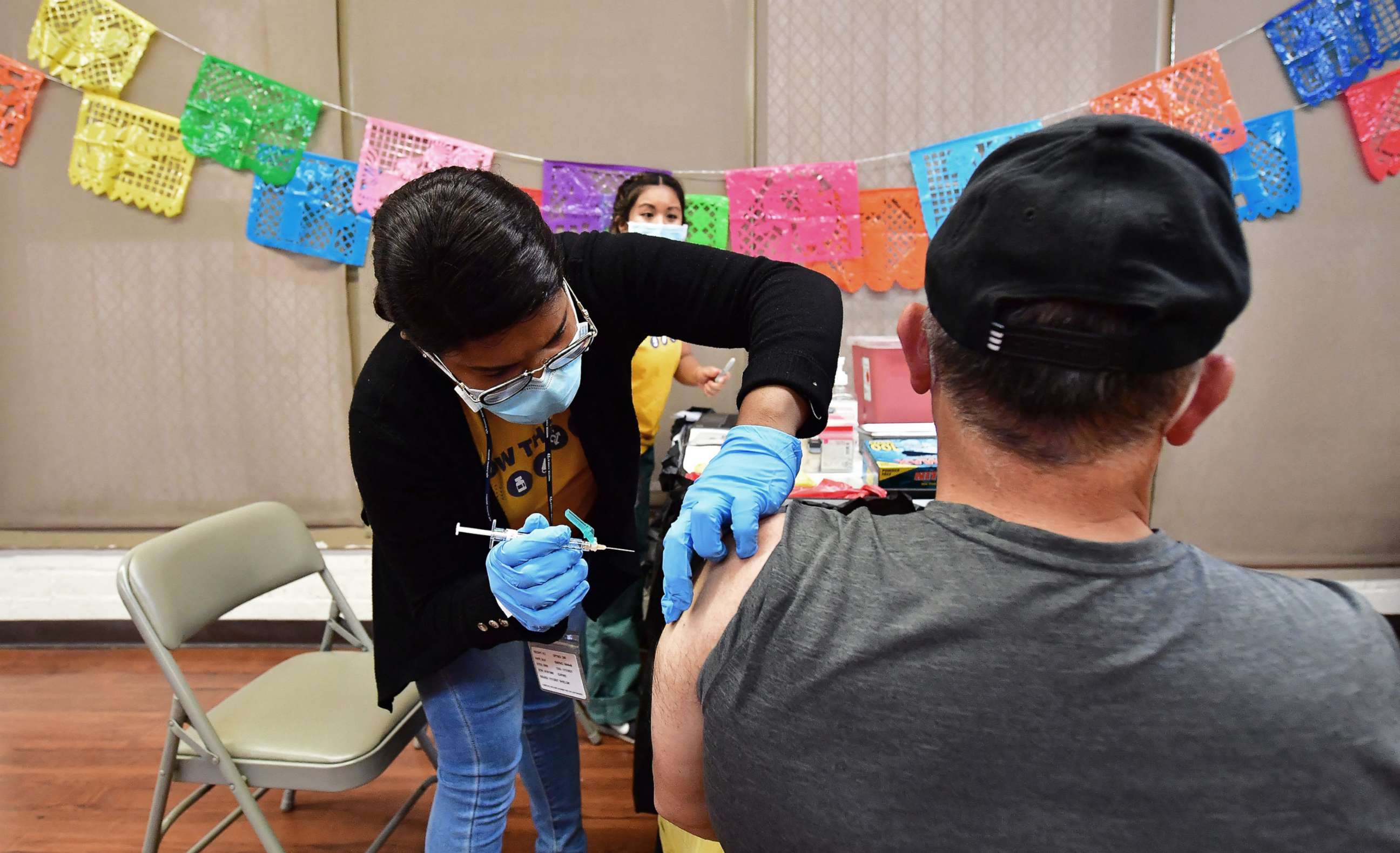
Health experts suggest that some booster uptake may increase in the fall, should a new generation of vaccines be made available.
"Muddled booster messaging has placed many Americans into a wait and see category, given the prospects for a more well-matched vaccine. While the current booster campaign has likely stalled out, it doesn’t mean we won’t see higher uptake when a vaccine that targets Omicron variants becomes available," Brownstein said.
During a presentation to the FDA's independent advisory committee, Vaccines and Related Biological Products Advisory Committee (VRBPAC), scientists outlined data showing that vaccine effectiveness with the current COVID-19 shots continues to wane with the latest variants.
However, a third COVID-19 dose was not only found to provide "significant" additional protection against infection and severe disease, but effectiveness also appeared to wane more slowly.
Although officials said it is still too early to draw conclusions about the protection provided by a second booster, the additional shot has been found to provide "substantial" additional protection among the immunocompromised.