Mini organs launching to space may help future astronauts and humans on Earth stay healthy
Miniature organs being sent into space for the very first time may soon help scientists understand how spaceflight impacts certain organs and may accelerate aging.
In a joint effort by researchers from Mount Sinai, NASA and aerospace company Space Tango, these mini organs will be exposed to the increased radiation and microgravity astronauts face in space, especially on long-duration missions.
"If people are going to be living and working in space, then we need to understand what's going to happen to them," David Sachs, assistant professor of surgery at the Icahn School of Medicine at Mount Sinai, told ABC News. "But also, because it's interesting as a model of accelerated aging for studying people on Earth."
The mini organs launched aboard commercial resupply mission CRS-35 on Tuesday morning from Cape Canaveral Space Force Station in Florida. They are expected to arrive at the International Space Station (ISS) on Thursday.
Astronauts age faster in space because microgravity and radiation exposure negatively affect multiple body systems.
The miniature organs offer researchers a unique opportunity to simulate aging in a much shorter period of time to understand disease and develop treatments.
"Six months in space ... is equivalent to about 10 to 20 years of aging on Earth," Kevin Costa, associate professor of surgery at the Icahn School of Medicine at Mount Sinai, told ABC News.
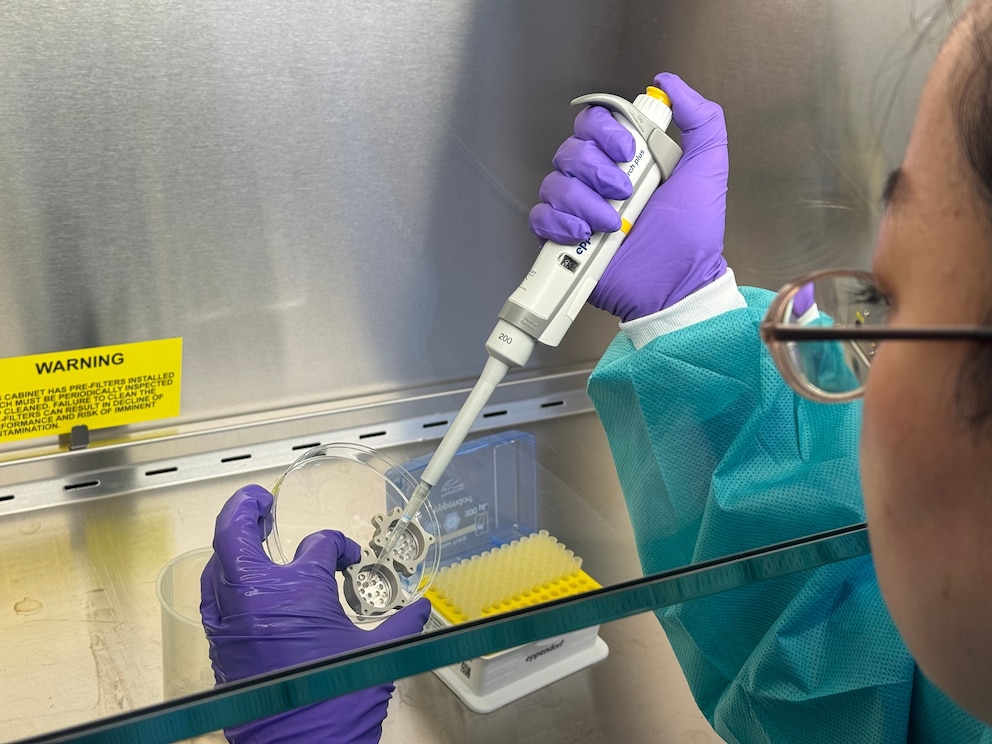
Sachs and Costa are sending up to 16 miniature hearts to the ISS to test how they respond to electrical signals and monitor how they may react to near-zero gravity.
Mount Sinai's Cardiovascular Research Institute sent individual heart cells to the ISS in 2023, confirming they could survive in the weightless environment.
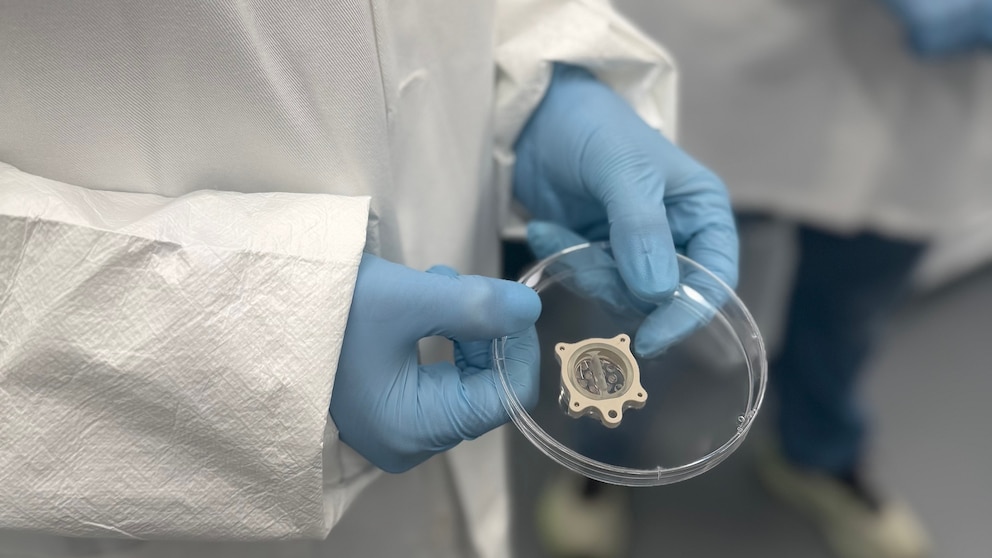
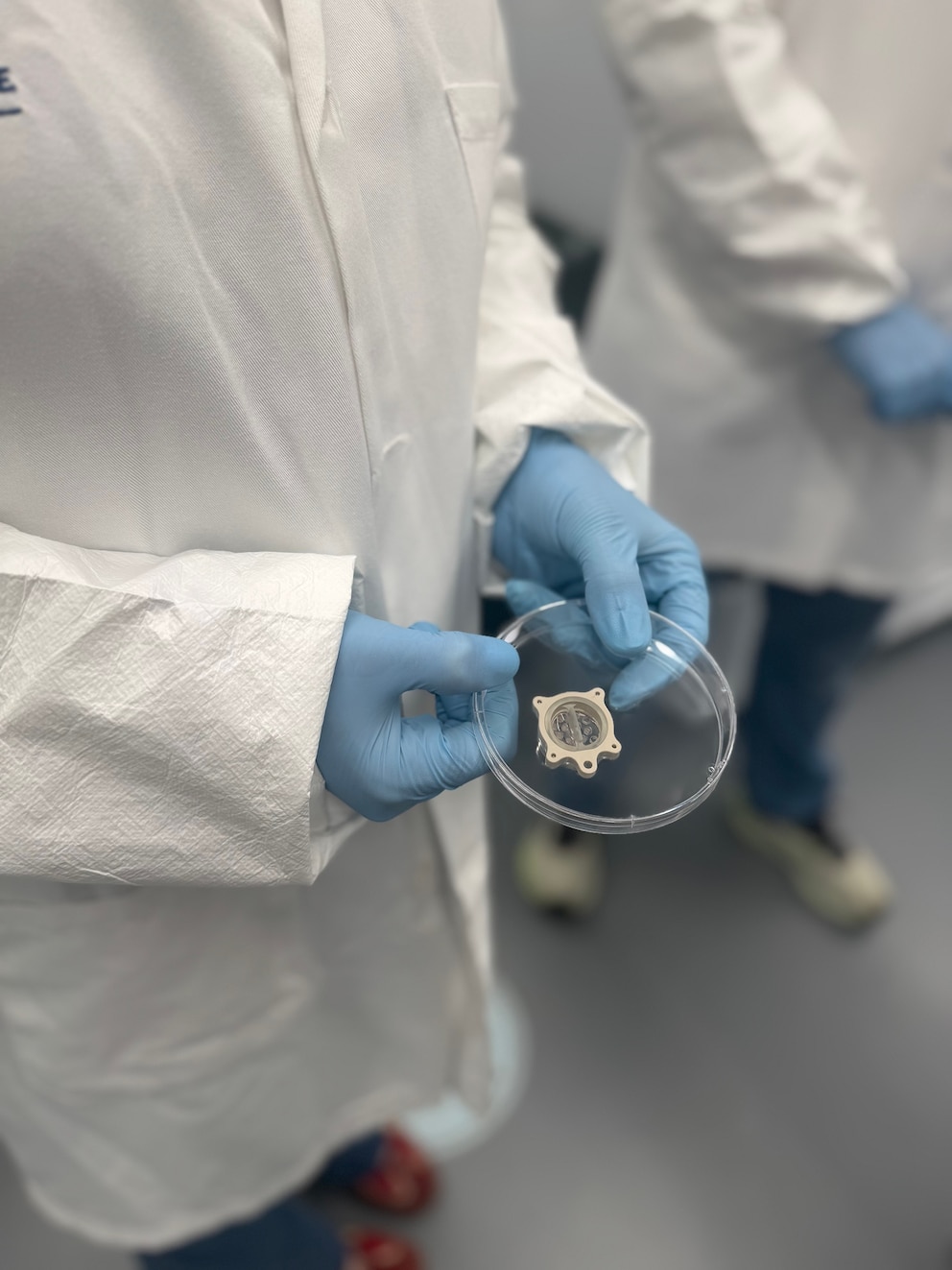
The technology, which is integrated into a miniature laboratory called CubeLab, was developed by Space Tango and simulates the natural environment in the human body.
"[It is] slightly bigger than a shoebox, and it is a fully automated, miniaturized system," Gentry Barnett, chief technology officer at Space Tango, told ABC News.
As part of the new effort, the team is sending miniature brains, called miBrain, to the ISS. Around the size of a peppercorn, the miBrains reflect models of healthy and diseased brains.
By exposing them to the space environment, scientists can see how mini-brains respond and better understand why living in space accelerates aging.
Though the mini organs are not full-sized human organs, the researchers say they are good substitutes, cost-effective and don't take up much of the limited space aboard the space station.
They also believe discoveries made in space can translate to uses in everyday medical care.
The microgravity environment uniquely allows researchers to study what happens to humans with a sedentary lifestyle or prolonged bed rest, which isn't easily simulated on Earth, Sachs explained.
"[The research is] translating to stuff in space, but it's also translating back to the research we do in the laboratory to help people with Parkinson's and Alzheimer's disease," Joel Blanchard, associate professor of stem cell biology and regenerative medicine and neuroscience at the Icahn School of Medicine at Mount Sinai, told ABC News.
Lisa Carnell, the director of the biological and physical sciences division at NASA, told ABC News that these experiments serve as a starting point for future research beyond low Earth orbit, including to the moon and beyond.
"We sent Apollo astronauts out there over 50 years ago, but the techniques and the way that we can actually do assessments to understand what's happening has come a long way since then," Carnell said.
NASA plans to return astronauts to the moon's surface in 2028 and build a permanent base in the next decade. The agency and private space company SpaceX have also discussed sending humans to Mars in the not-so-distant future.
"We're making leaps, not incremental research, by taking biology to space, because you're seeing changes that you cannot see on the ground in ways you've never seen it before," Carnell added.
Dr. Allen Chang is a geriatric medicine subspecialist at Dalhousie University and a member of the ABC News Medical Unit