New York law will give breast cancer patients a chance to keep their hair

When Maureen Green was diagnosed with breast cancer several years ago, the finance professional and mom-of-two decided to try scalp cooling, a treatment that helps preserve hair during chemotherapy.
"I was really afraid I would look in the mirror and really not know who I was and that I wouldn't recognize myself," Green, who was treated at Memorial Sloan Kettering Cancer Center in New York, said.
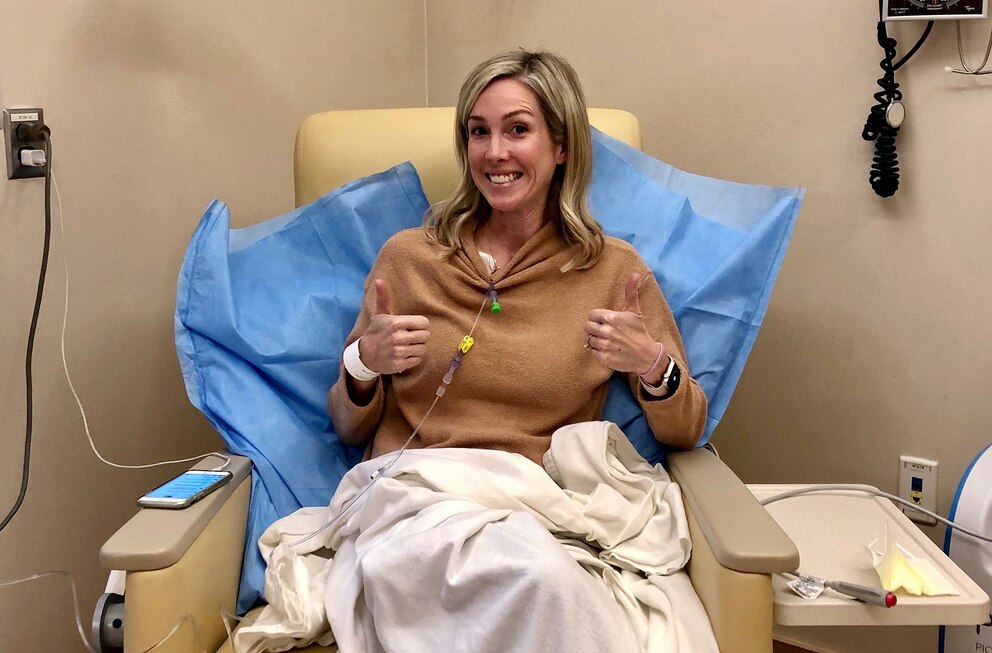
For Green, the choice was not easy. Scalp cooling is pricey -- the National Cancer Institute cites an average cost between $1,500 and $5,000 per patient -- and it's often not covered by insurance.
Although the expenses from her diagnosis were already piling up, Green and her family decided it was worth the sacrifice.
"You could buy a wig, you could buy scarves, but nothing is the same as looking like yourself," she said at a Breast Cancer Awareness Month media event at New York City treatment and research institution Memorial Sloan Kettering.
The price tag for hair preservation has long forced breast cancer patients like Green to make tough choices, with some skipping scalp cooling altogether and others opting for less expensive -- and less proven -- treatments.
Starting next year, New York will become the first state in the nation to ease that burden with a new law requiring private insurance companies to cover scalp cooling for chemotherapy patients.
Assemblymember Linda Rosenthal, a Democrat who represents Manhattan's West Side, helped introduce the bill six years ago.
"I heard about scalp cooling, and I said 'Well, why shouldn't everyone have access to it?'" she said at the event.
Rosenthal acknowledged that it is never easy to push insurers to cover new services, but she and state Sen. Toby Ann Stavisky -- a Queens Democrat -- worked hard to get the bill through.
"To make life easier for cancer patients is worth everything, because they have so much to go through," Rosenthal said. "If you can go out there and feel just like yourself, and not have to think all the time, 'Oh, I look like I'm sick, and everyone knows,' then that really matters."
Those who treat cancer also understand how much preserving hair can mean to a patient.
"Having legislation that requires insurance to pay for it, that's a game changer. That will change patients' lives, their families' lives," Andrea Smith, a nurse leader with Memorial Sloan Kettering's Breast Service program, said during the event.
Smith noted that scalp cooling may cause some temporary side effects such as headaches, nausea or anxiety. but the possibility of saving their hair gives some patients peace of mind.
"We've seen patients choose a less optimal treatment just because they didn't want to lose their hair. That shows how important this is for patients as they go through something so difficult," she said.
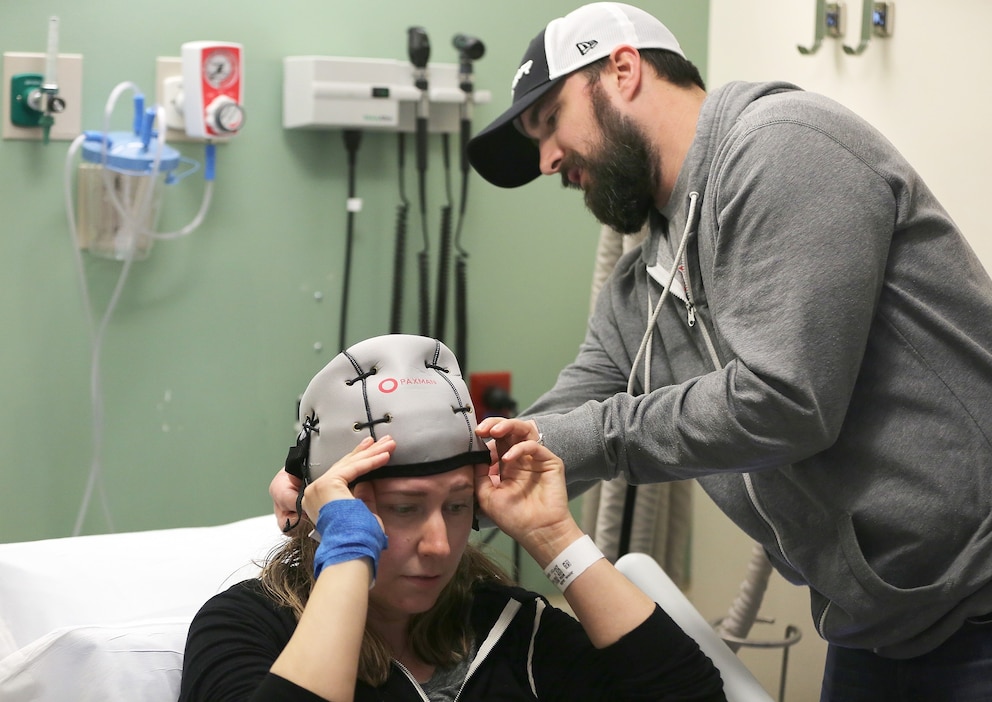
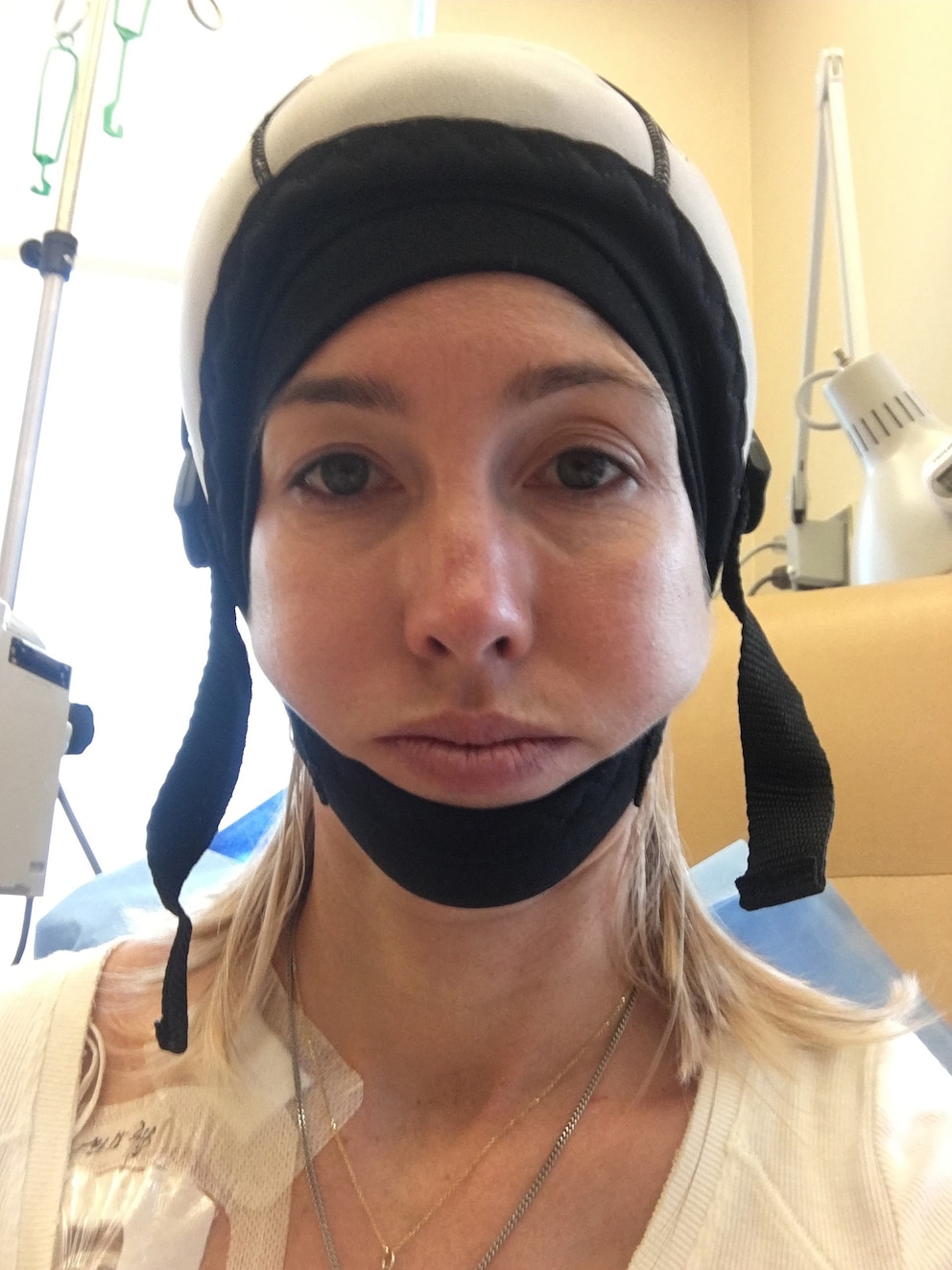
Cold capping works by lowering the temperature of the scalp before and during chemotherapy to restrict blood flow to hair follicles and reduce the amount of chemo that reaches them. Cooling also slows down the activity of the hair follicle cells, making them less vulnerable to damage from chemotherapy drugs.
The FDA has cleared several devices, and research shows they have success rates of up to 65% in reducing hair loss. While not perfect, Smith said that it offers patients something many of them consider priceless -- the chance to look in the mirror and feel normal.
For Green, that's what mattered the most.
"With everything else that's going on, this gave me some control over something I didn't have control over before," she said.