What parents need to know as whooping cough cases surge in Texas

Cases of whooping cough, also known as pertussis, are skyrocketing in Texas, according to a new alert from the state's health department.
More than 3,500 whooping cough cases have been recorded so far in the state in 2025, about four times the number of cases during the same period last year.
Nationally, there has also been a higher-than-usual number of whooping cough cases in the past two years, compared with years prior to the COVID-19 pandemic, according to data from the Centers for Disease Control and Prevention.
Here's what parents should know about this common and contagious disease amid the latest outbreak.
What is whooping cough?
"This is a very contagious, bacterial respiratory infection," ABC News medical correspondent Dr. Darien Sutton said previously on "Good Morning America."

Whooping cough spreads through coughing or sneezing and impacts the body's cilia, causing swelling in the airway. Cilia are tiny hair-like structures that move mucus and debris out of the airways.
The CDC also notes that babies under 1 year of age and anyone with a compromised immune system or moderate to severe medically treated asthma have a higher risk of developing whooping cough and severe complications from the infection.
What are the symptoms of whooping cough?
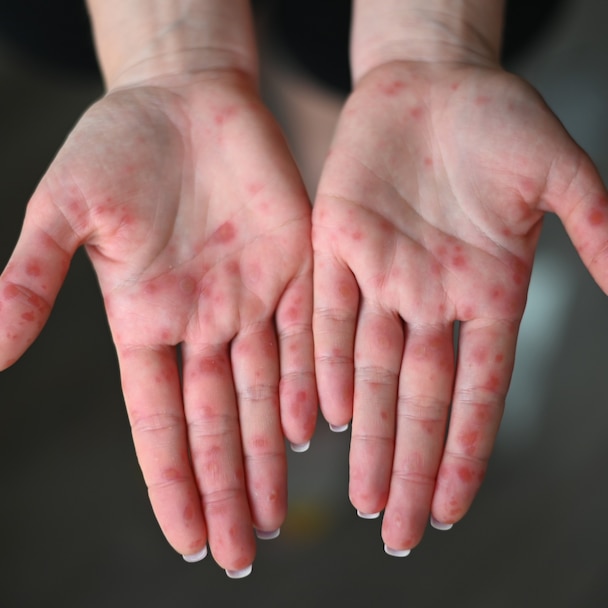
"It can often start as symptoms of a cold -- low grade fever, runny nose, a mild cough for maybe one to two weeks," Sutton said. "Then, that progresses into the second stage, and that's the most concerning. That includes these violent coughing attacks that often leave people gasping for air, which is where the whooping cough comes from."
In babies under 1, the symptoms may vary. "It might not come with any coughing at all," Sutton added. "It might come with periods of apnea or when they stop breathing, which is why it's so important to pay attention."
What is the treatment for whooping cough?

Whooping cough is often treated with antibiotics and is best treated early.
"To give you a picture of what it looks like when a patient comes into the emergency room, we often start with gathering the history, whether or not you're updated on your vaccines. Do you have a risk of exposure?" Sutton explained. "Also, certain blood tests and imaging can help confirm if you have other types of respiratory infections and then it's confirmed with a swab and that helps us to confirm the diagnosis."
How can you prevent whooping cough?
The most effective way to prevent whooping cough is through vaccination, according to the CDC. The agency recommends everyone from young kids to adults get vaccinated.
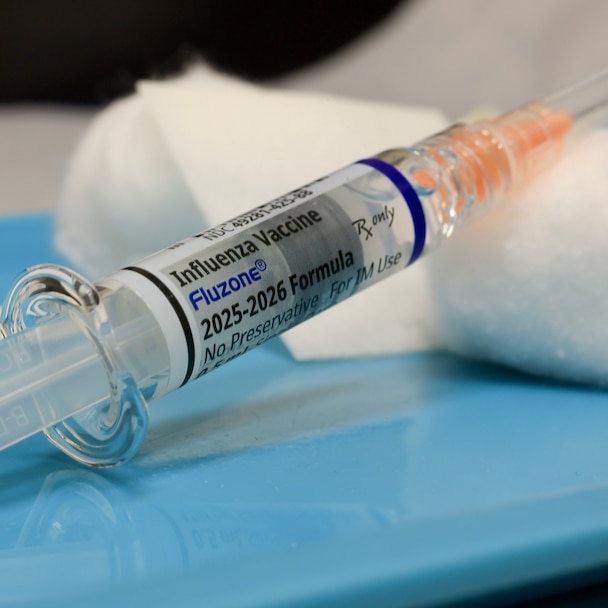

"This is a part of the routine vaccinations for children and this is about five vaccines between the ages of two months, kindergarten and, once again, around fifth or sixth grade," Sutton said of the DTaP (diphtheria, tetanus, acellular pertussis) vaccination series.
"For adults, we should get updated every 10 years," Sutton added about adult Tdap (tetanus, diphtheria, acellular pertussis) vaccinations. "And then most important for pregnant women, they encourage that you get this vaccine at the end of your pregnancy, during the third trimester, and the goal of this is to help protect again, the most vulnerable."