3-D Printed Heart Gives New Hope to Woman With 'Backwards' Heart
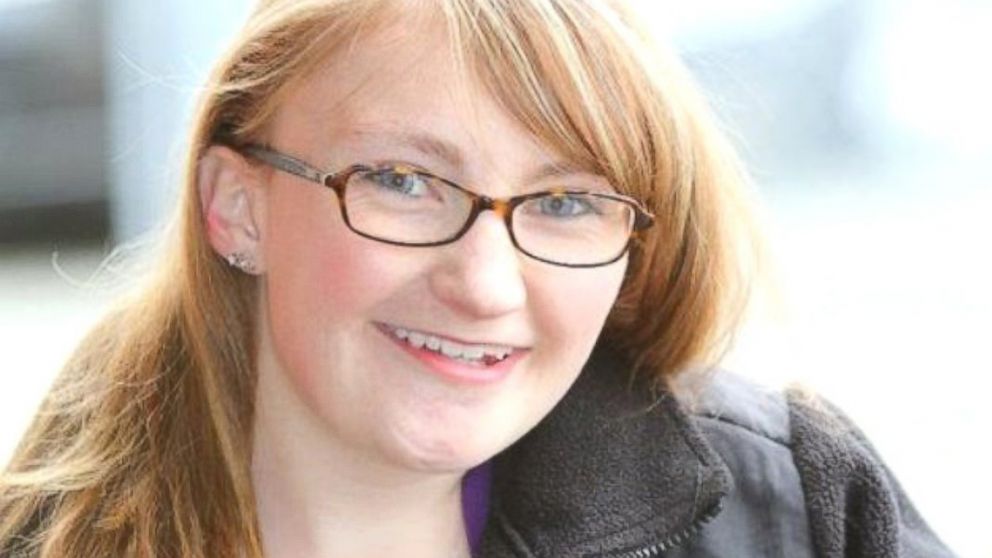
— -- A 3-D printed heart has given new hope to a 26-year-old woman who was born with a “backwards” heart.
Kami Sutton, of Marysville, Washington, has already undergone 19 surgeries to help connect her heart to the rest of her body.
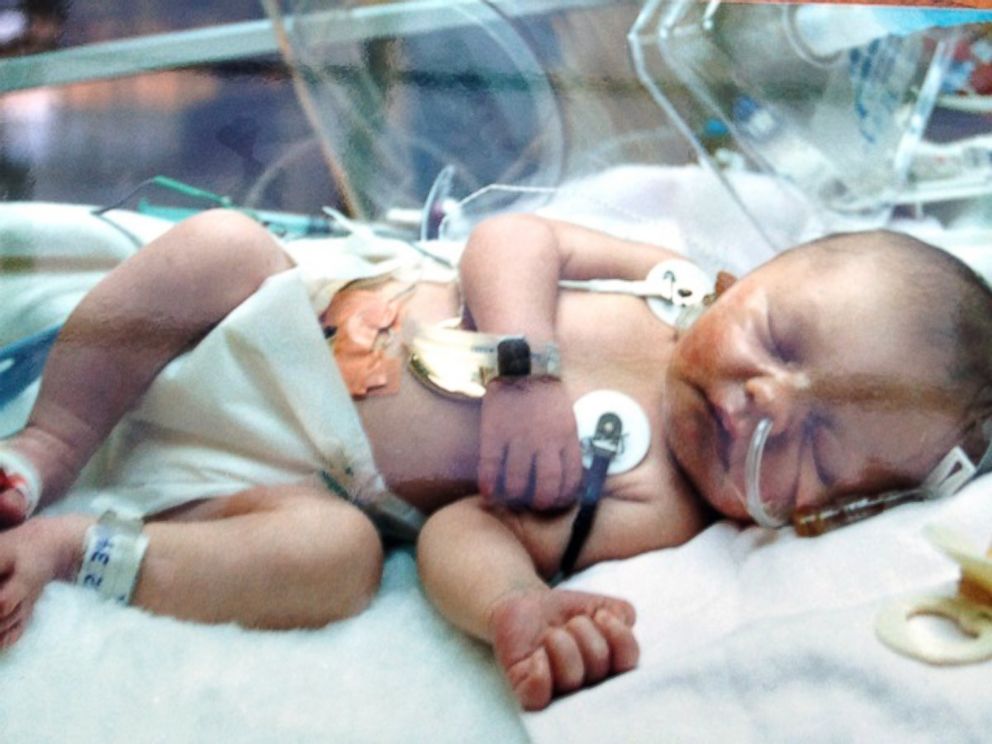
She was born with a congenital heart defect that resulted in her heart being on the right side of her body instead of the left side. Additionally, Sutton’s left and right pumping chambers were reversed and her heart was not initially connected to her lungs. She also had a hole in her heart between the two chambers.
While surgeries and a pacemaker have helped keep Sutton alive, her heart has been weakened by constant stress and overexertion.
“My ventricles are beating out of sync,” she said. “We’re losing heart function, which is hard. ... It’s not as efficient as it could be if they were beating together.”
Last year, Sutton started working with Dr. Stephan Seslar, a congenital heart disease specialist and electrophysiologist at Seattle Children’s Hospital and University of Washington Medical Center, to see if a new pacemaker would work better.
Seslar is now attempting hoping to use a bi-ventricular pacemaker that will help Sutton's ventricles beat at the same time. But the unusual shape and placement of Sutton’s heart remains a huge hurdle.
“Kami’s heart is truly one-of-a-kind,” Seslar said on the Seattle Children’s Hospital website. “Operating on her without understanding the anatomy of her heart better could be very dangerous.”
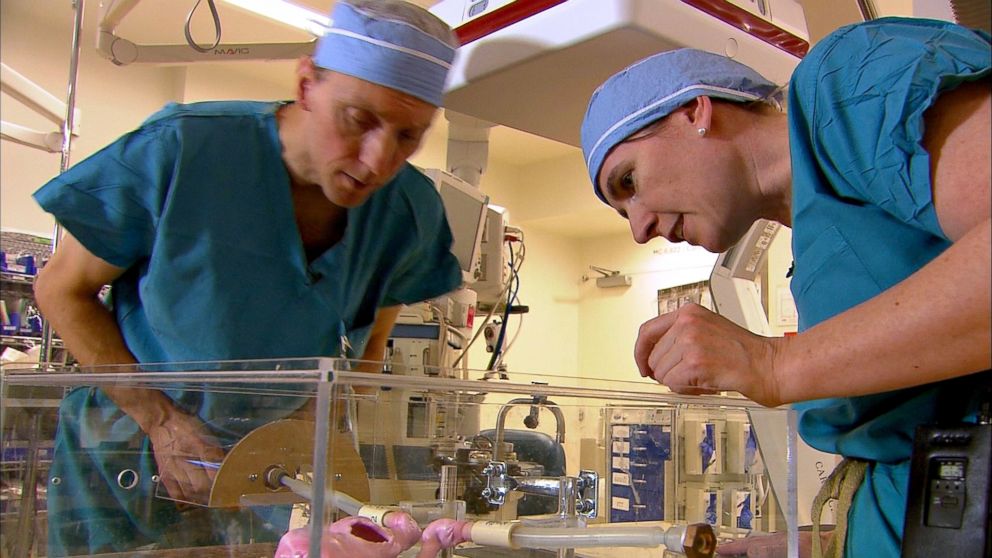
To help doctors plan out Sutton's surgery, Seslar created a specially designed 3-D model of Sutton's heart. It’s an idea she initially suggested to Seslar, who had already been working on similar models.
“His eyes got really wide,” Sutton remembered of the moment she asked if he could use a 3-D model of her heart. “When I suggested it, he got really excited.”
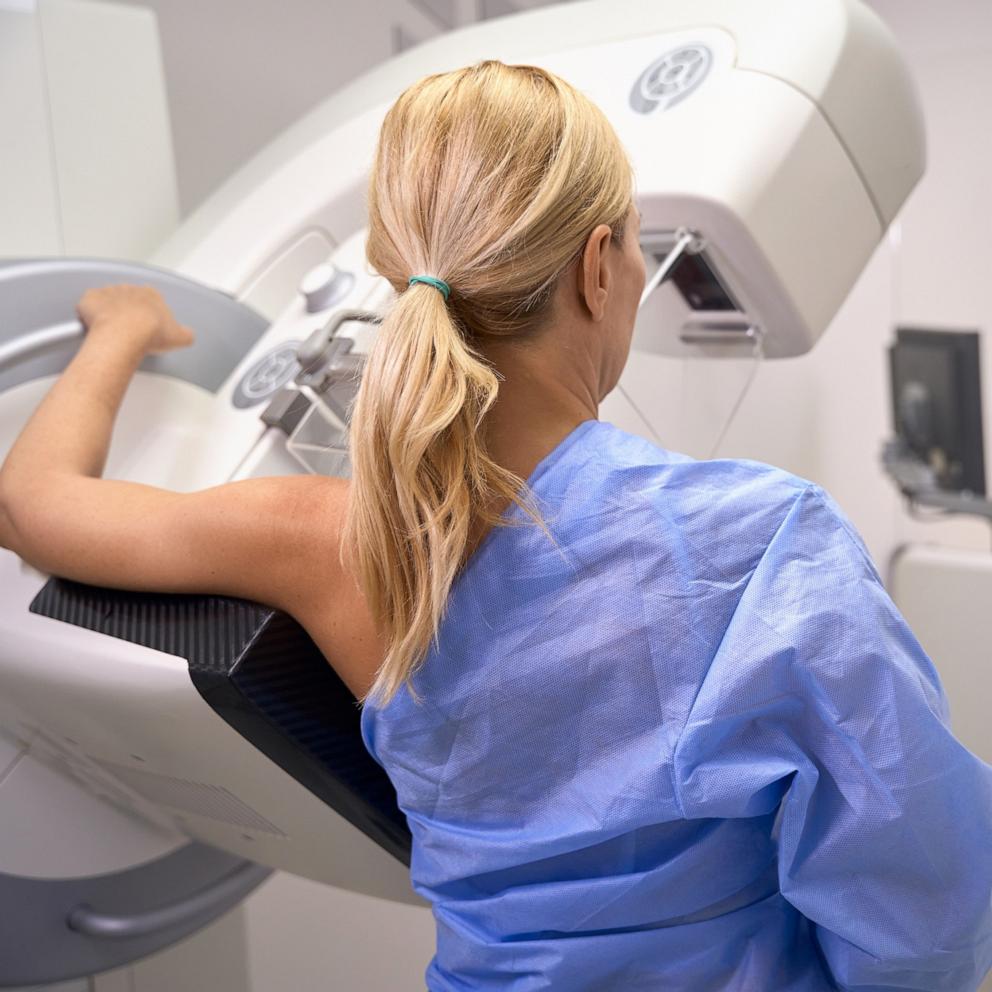
To create a model of Sutton’s heart, she underwent a CT scan so that the exact measurements of her heart could be diagrammed. Seslar then worked with a materials engineer to create a special material that would mimic heart tissue.
“Our first attempts produced stiff models that did not feel like human hearts,” Seslar said on the Seattle Children’s Hospital website. “This model is soft and wet like a real heart inside a person. ... We know ahead of time where to maneuver, it allows us to develop a game plan and potentially reduce the surgery time.”
Sutton, who works as a grassroots coordinator for the American Heart Association, hasn’t seen the model of her heart yet, but said she feels privileged to benefit from the new technology.
“Technology caught up with me just in time and gave me another chance besides the big [transplant] surgery,” Sutton said of both this experience and her past surgeries.
Sutton is on the heart transplant list, but her previous surgeries means she needs a very particular kind of organ that will not be rejected by her immune system. However, she said if the pacemaker works she may not need the new heart.
Sutton expects to undergo surgery sometime this spring or summer and said even if it doesn’t work, the operation will help doctors learn more about treating other children with similar heart defects.
“In the future it won’t take 19 operations over 26 years to fix the condition I was born with,” she said.