PTSD treatment? When exposure therapy isn't an option, imagining the scenario might help
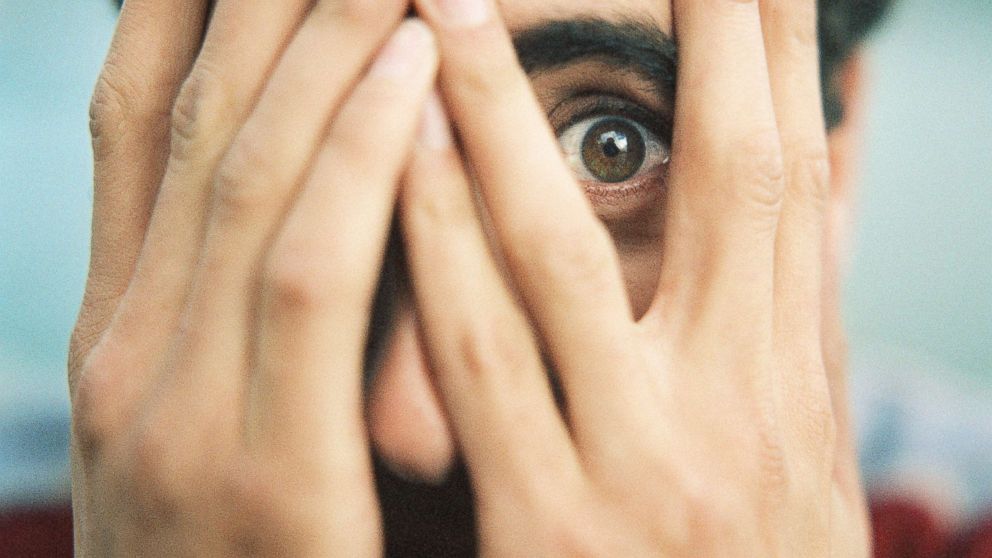
Your imagination — normally associated with childhood fun — might have the power to help treat anxiety and fear, according to a new study.
Researchers from the Icahn School of Medicine at Mount Sinai in New York City explored the exact brain pathways that people use when they learn — and unlearn — how to react to threats. They found that imagining a threatening scenario might provide similar benefits to exposure therapy for someone who has been through a traumatic event.
The researchers hope to use this knowledge to improve treatments for people with post-traumatic stress disorder, or PTSD.
The “unlearning” is key in this research. In a dangerous situation, the natural “fight-or-flight” response sends hearts pounding and adrenaline coursing. But some people continue to have the same stress response to smaller events, even when the threat has long passed. It’s tough to unlearn this.
What is a Stress Disorder?
A stress disorder is a constellation of symptoms that a person experiences after a traumatic event. These experiences can be anything from fighting in a war to being in a car crash, and the responses can range from an acute stress disorder to its more severe counterpart, PTSD.
Acute stress disorder often occurs soon after a traumatic event. It can cause a person to feel “numb” to what’s around them, to have frequent thoughts about the trauma, to actively avoid things that remind them of the stress and to have constant feelings of nervousness. When these feelings persist beyond one month, they are defined as PTSD. Both disorders can significantly affect quality of life.
How are stress disorders treated?
Psychologists use a combination of cognitive behavioral therapy (CBT) and prolonged exposure therapy (PET).
Cognitive behavioral therapy is talk therapy. It helps you learn ways of thinking that focus on positive aspects of yourself and what is around you. Exposure therapy involves repeatedly putting someone into a situation that causes them fear and anxiety, as the brain teaches itself that no harm occurs.
Exposure therapy can eventually help a person feel more comfortable in a situation. For example, if someone fell down a floor stairs and developed an acute stress reaction, exposure therapy might mean repeatedly walking up and down flights of stairs.
Sometimes, however, exposing a patient to the scenario that elicits the stress response can be difficult or even unethical, such as being in a warzone. The new study sought to prove that imagining a scenario can be just as effective as re-experiencing it.
Why is this study important?
While this technique has been used by psychologists for some time now, this is the first study to confirm the results through brain imaging.
The fearful situation creates “a threat signature” in the brain, Daniela Schiller, PhD, professor of neuroscience and psychiatry and senior author of the paper, told ABC News. Essentially, it’s a neurological pattern that reoccurs whenever a person feels threatened.
For the study, the researchers exposed 68 adults to small but uncomfortable electric shocks that alway came with a specific sound. Then they split the participants into three separate groups: one that would imagine the specific sound (imagined re-exposure), one that would actually hear the sound (actual re-exposure) and one that would think of their own peaceful sounds, like birds chirping or falling rain (the control group).
The researchers took brain scans as the participants thought about their sounds. They found that imagined thoughts and real-life exposure were equally effective in reducing the brain’s threat-related responses because they made use of the same brain pathways.
The new findings bridge a gap between what psychologists do in the office and what researchers do in the lab — they are a confirmation that the brain patterns we use when we imagine things have a direct effect on how we act in the future.
Though further research is necessary, Schiller told ABC News that the findings open the door to new avenues for treating stress-related disorders. That “threat signature” will be a new target for measuring the effectiveness of different therapies, she said, allowing psychologists to individualize therapy and maximize effectiveness.
Dr. Sumir Shah is an emergency medicine physician in New York City and a member of the ABC News Medical Unit.