The reality behind Pfizer’s COVID-19 vaccine distribution plan
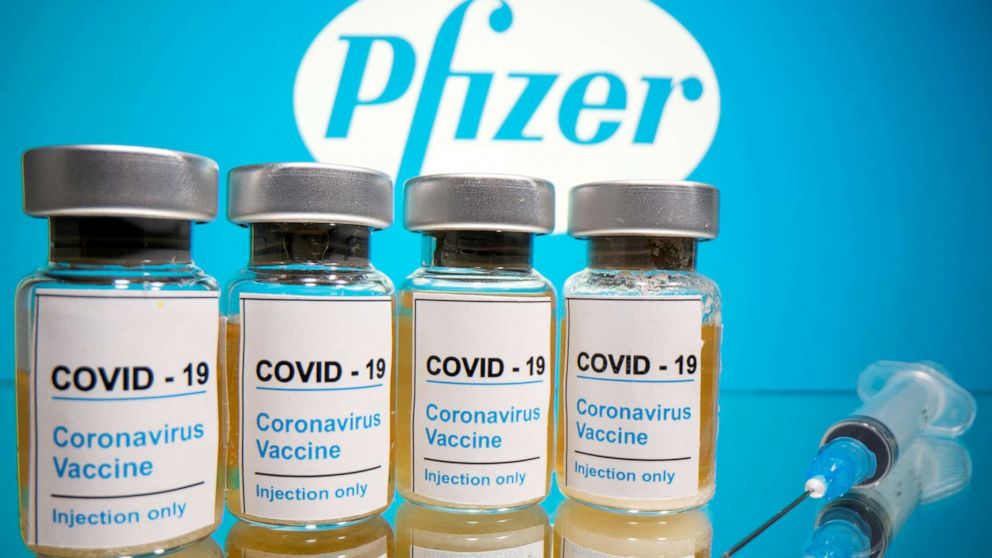
Early data revealed Monday that Pfizer's COVID-19 vaccine candidate could be up to 90% effective.
The company still needs to submit its soon-to-be-completed late-stage data to the Food and Drug Administration for final authorization, but U.S. officials say they are prepared to begin distributing the vaccine as soon as they are given the green light.
"Operation Warp Speed has made sure Pfizer has access to supplies needed to help administer and distribute the vaccine," said Health and Human Services Secretary Alex Azar. "That includes needles, syringes, PPE needed for administration, as well as dry ice needed for distribution."
Pfizer's early data has spotlighted the future of COVID-19 vaccine distribution, particularly because the company's vaccine presents a potential hurdle: It needs to be stored at around -70 degrees Celsius.
'Nobody has any experience working with a vaccine at that temperature'
The freezers needed to properly store Pfizer's vaccine are "almost like unicorns in health care -- they're far and hard to find," said Soumi Saha, PharmD, JD, the senior director of Premier, Inc.
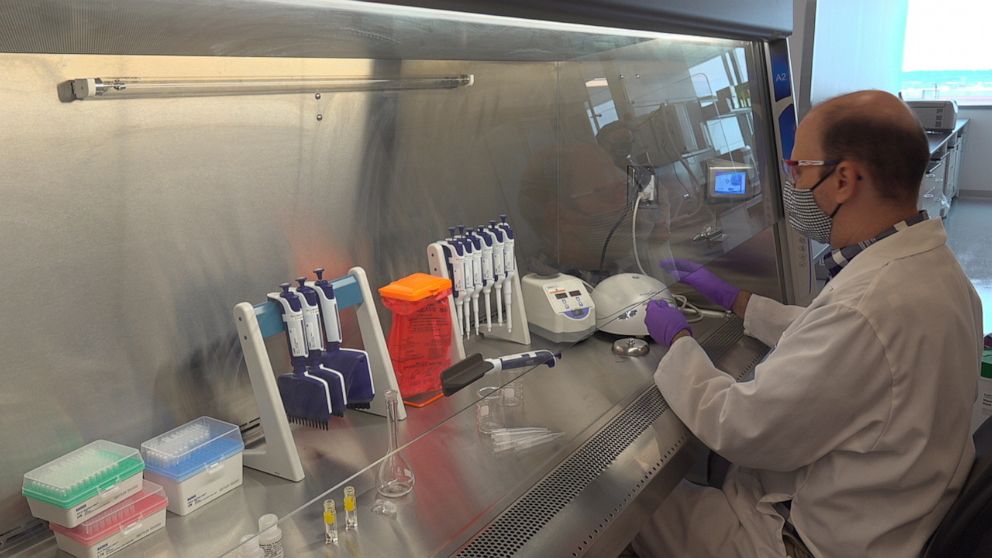
"Nobody has any experience working with a vaccine at that temperature," Saha added. "And so this is going to be the greatest drug distribution challenge that our country has ever faced because of the unique circumstances around the temperature requirement."
Azra Behlim, the senior director of pharmacy sourcing and program services at Vizient, said it would likely be even more complicated to keep the vaccine in a stable temperature when distributing it in rural communities.
"That is going to be a lot more difficult because now we need to find a way to maintain that temperature while we are driving it out 20 or 50 miles in order to do an inoculation," said Behlim.
'We call them pizza boxes'
Pfizer's scientists don't believe maintaining the vaccine at a stable temperature will be an insurmountable challenge due to the company's nuanced delivery system.
"We have a series of packaging -- we call them pizza boxes because they have roughly that shape full of vaccine and they're packed around with dry ice in these very insulated containers," said Pfizer's chief scientific officer of viral vaccines, Dr. Phil Dormitzer. "These containers can keep the vaccine at temperature by themselves for a couple of weeks and they can be re-packed with dry ice to keep them nice and cool."
In addition to the improvised packaging, Pfizer plans to track the vaccine's temperature in transit.
"We not only have the tracking location, but also we track the temperature so that when the box is received, you can verify that it has stayed at the temperature that it should," explained Dormitzer. "It's a way of ensuring that the vaccine that is actually finally given to the person being vaccinated is still good."
'Seems that most institutions are leaning toward using dry ice'
Big-box pharmacies like Walgreens and CVS say their facilities are fully equipped to store Pfizer's vaccine.
"All of our pharmacies are equipped with refrigerators and freezers that would allow us to store the vast majority of the vaccines right there," CVS Health's lead pharmacist and senior vice president, Chris Cox, told ABC News.
But independent, local and midlevel pharmacies may be forced to choose between investing in a freezer that could reach the necessary temperature to store Pfizer's vaccine or rely on dry ice.
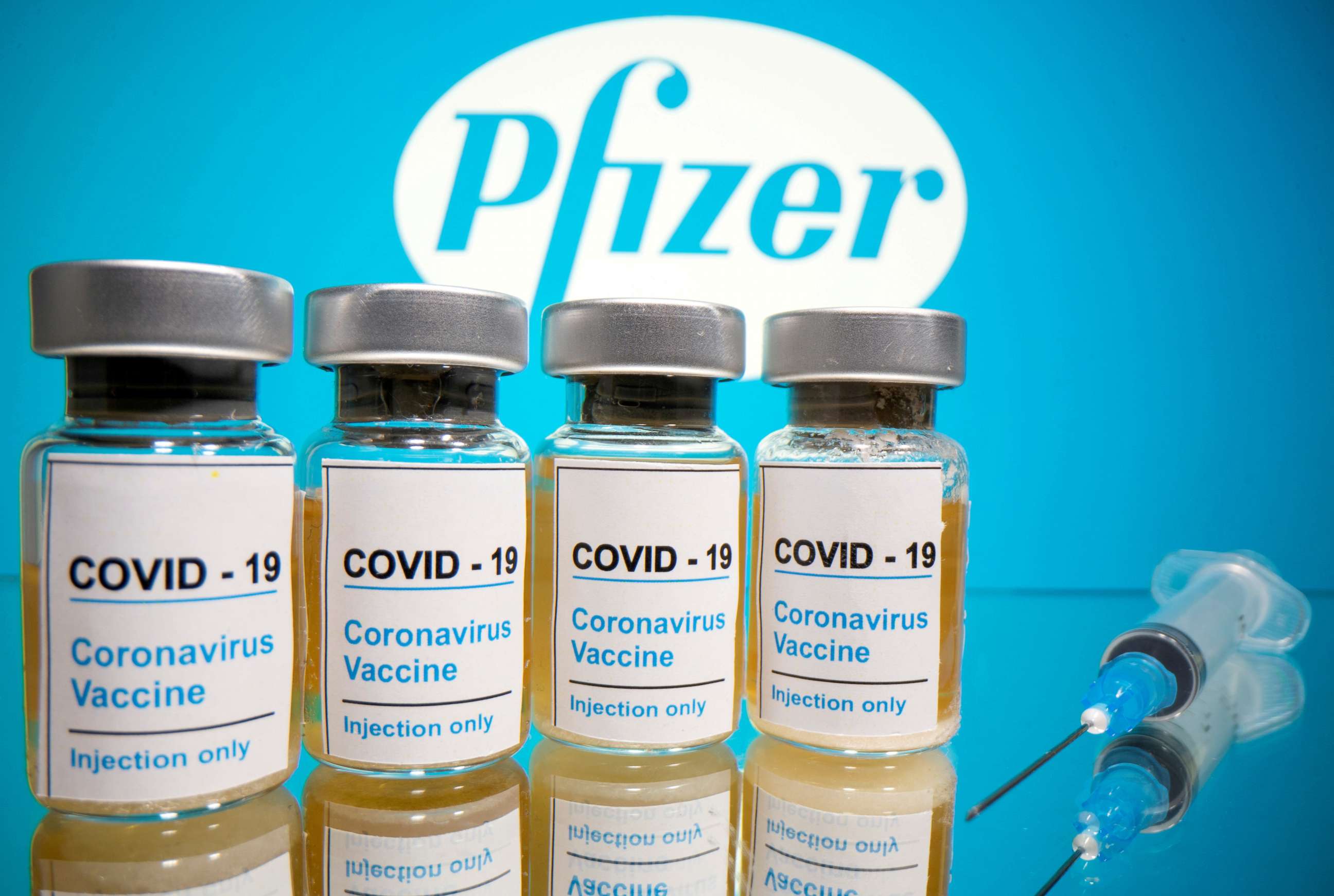
"The hesitancy behind purchasing these freezers is that they're hard to find and you're theoretically purchasing something that you plan on using once," said Saha. "The challenge has been initially there was a lot of thought about health care providers, hospitals, others acquiring these freezers, but since then -- understanding that dry ice could be used as a substitute -- it seems that most institutions are leaning toward using dry ice and replenishing the dry ice within that 10-day time frame."
Who will get the vaccine first?
"I think we're going to produce a tremendous number of doses. The 1.3 billion doses in 2021 is a goal that we're really shooting for," Dormitzer told ABC News.
Pfizer and Moderna -- another pharmaceutical company with a vaccine candidate in late-stage trials -- say their vaccine candidates could be authorized for emergency use by the FDA before year's end. Elderly care facilities and health care providers will be the first to be offered the vaccine, according to U.S. officials.
"The CDC has a committee called [Advisory Committee on Immunization Practices] which will be approving any prioritization pathways that's going to be dependent upon what FDA says about the vaccine," explained Saha. "We know that there's high demand and we know there will be insufficient supply on day one, that's where prioritization pathways are really critical to ensure that those that are most vulnerable, at highest risk have access to the vaccine first."
Roughly a third of COVID-19 deaths in the U.S. have occurred among residents of long-term care facilities. CVS claims it's prepared to begin administering a COVID-19 vaccine in those facilities before the end of the year, if one is approved.
As part of the recent deal between Operation Warp Speed, CVS and Walgreens, facilities that opt into the program will have pharmacists and technicians come and administer vaccine doses on-site, free of charge to residents and staff.
"Ultimately, we're going to be looking to get to every nursing home that signs up with us as a partner within a three-week period," Chris Cox, senior vice president of CVS Health, told ABC News. "It is a huge undertaking, but it's also well within the scope of what CVS already does."
If a facility decides not to opt-in to the program, it will need to find a way to offer the vaccine through other sources, such as local pharmacies that have been approved as vaccinators by state or local jurisdictions to administer the vaccine.
Sony Salzman contributed to this report.