How rear-facing car seats perform in rear-impact crashes
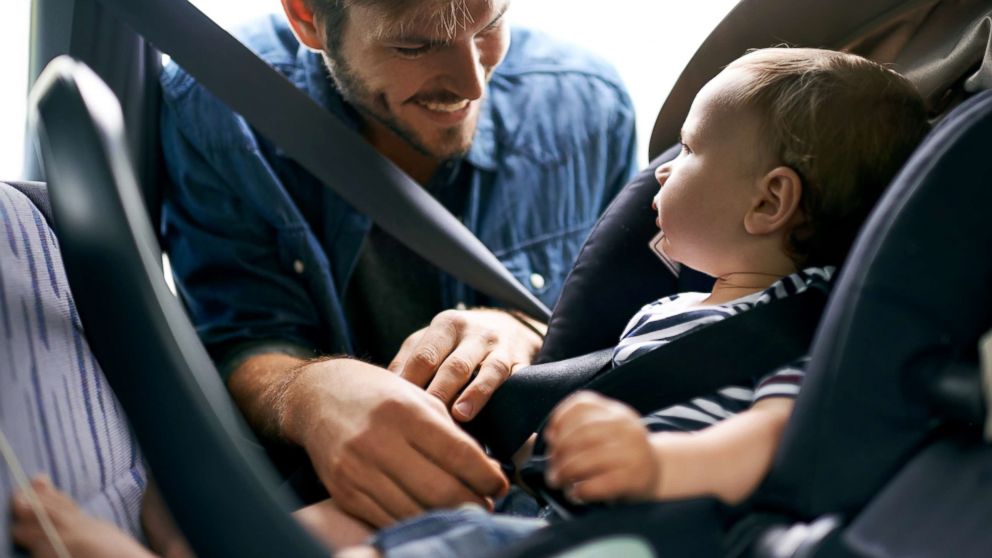
Rear-facing car seats have been thoroughly tested and proven to significantly reduce infant injuries and fatalities during front and side crashes, but what happens when the car crash comes from behind?
Rear-impact crashes account for more than 25 percent of all accidents, so researchers at Ohio State University decided to explore just how effective current “rear-facing” car seats are at reducing injury to children.
“It's a question that parents ask me a lot because there's some concern about the child facing the impact of the crash,” Julie Mansfield, a research engineer at the Ohio State University Injury Biomechanics Research Center, said in a press release.
The team conducted simulated crash tests featuring different car seat configurations and installations. This included seat base attachments and various handlebar positions.
Researchers also tried this out on two different infant and toddler “crash-test dummies.” The dummies recorded acceleration and angular rate during the crashes, and this data was used to estimate head injury the dummy would have sustained in a real crash.
While the study was small, the conclusion supports current recommendations for rear-facing child restraint systems for children less than 2 years old.
Mansfield said rear-facing car seats have “lots of different features and mechanisms to absorb that crash energy. The rear-facing seat is able to support the child's head, neck, and spine.”
In other words, even though the child is “facing” the crash in a rear-end impact, the car seats do their job.
Of course, the car seat can’t do its job if it is installed incorrectly. It is important that parents speak with their pediatricians and follow the recommended guidelines on purchasing and installing the correct type of car seat for their child's height, weight and age.
Mansfield noted, “A typical car seat installed properly with a nice tight installation, that going to be the child’s best form of protection against crash forces.”
Dr. Joseph Cafone is a fourth-year internal medicine and pediatrics resident working in the ABC News Medical Unit.