Researchers explore Google Glass as a tool to help autistic kids socialize
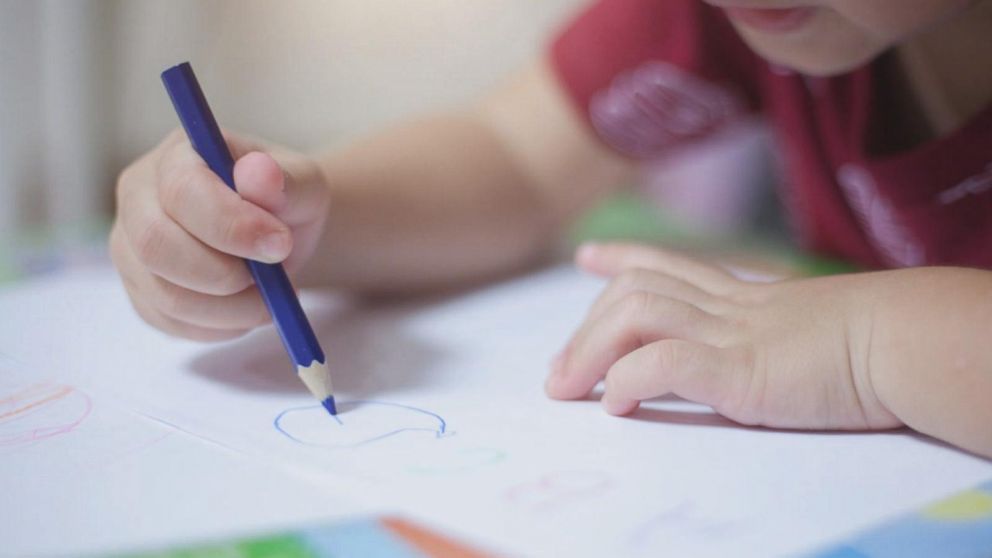
Children with autism spectrum disorders often struggle with reading the social cues that make it easier to interact with other people, such as making eye contact and recognizing different facial expressions. Because of this, it can be difficult for them to identify and respond to emotions from friends and loved ones.
Professional therapists can help tailor behavior learning plans for children with ASD -- now about 1 in 68 children, according to the Centers for Disease Control and Prevention. But the waitlists for therapy often stretch over months, even years, and ongoing treatment depends on the therapists.
So researchers at Stanford University teamed up with Google to see if creating a program using Google Glass headsets could help. The goal of the pilot study was to find out whether the home-use program was ready to be tested by a larger group of families.
"The only way to break through the problem [of a lack of resources] is to create reliable, home-based treatment systems," Dr. Dennis Wall, senior researcher for the team, said in a statement.
In the study, published in the journal npj Digital Medicine, 14 families were given "Superpower Glass" -- a system that uses an Android app developed at Stanford paired with Google’s head-mounted display in the shape of eyeglasses that has a screen over one eye -- to use at home. The app allowed the children to play a series of games that focused on identifying their family members' facial expressions.
"These glasses are perfect for something like this, they’re able to provide real-time feedback [for the kids]," Wall told ABC News.
After consistent use of the device for 10 weeks, researchers observed that the severity of the children’s autism appeared to decrease based on parent surveys, their ability to recognize facial patterns in the lab and parent reports of greater eye contact and improved social skills. One child's assessment moved from "mild" autism to "normal," the study said.
Parent comments in a statement released with the study included one saying "a switch has been flipped; my child is looking at me," and another that reported a child saying, "Mommy, I can read minds!"
The next step would be to test the program with more families in diverse circumstances, since this study was limited in many ways. All of the children in the pilot study received the Superpower Glass, so there was no control group testing therapy alone. Additionally, this research was conducted in an area with many tech-savvy parents and kids who may respond more easily to this kind of technology assistance. It should also be noted that the children may have received extra attention during the study that, in and of itself, may have had a therapeutic effect on them. Because the largely positive results were reported by parents and researchers, some bias may have existed.
But it's a beginning for the exploration into how this technology could help with autism therapy.
"The Google platform has great potential for many medical applications, including autism," Dr. Joseph Donnelly, the medical director for The Center for Autism and Neurodevelopmental Disorders in Orange County, California, told ABC News. "Further work needs to be done."
As the next step in research, Wall and his team have just completed a larger, randomized study of this therapy involving over 70 families with results that appear to support the pilot study’s findings. The larger study is currently being reviewed and verified by other researchers. It will take some time before this program could be available to the public.
While this research is very promising, Wall cautions, "the reality is we still have a ways to go before we get it into families’ hands."
Kevin Riutzel, D.O., is a family medicine resident physician at the University of California, Irvine currently working in the ABC News Medical Unit.