Rising carbon dioxide levels could cause nutritional deficiencies across the globe: Study
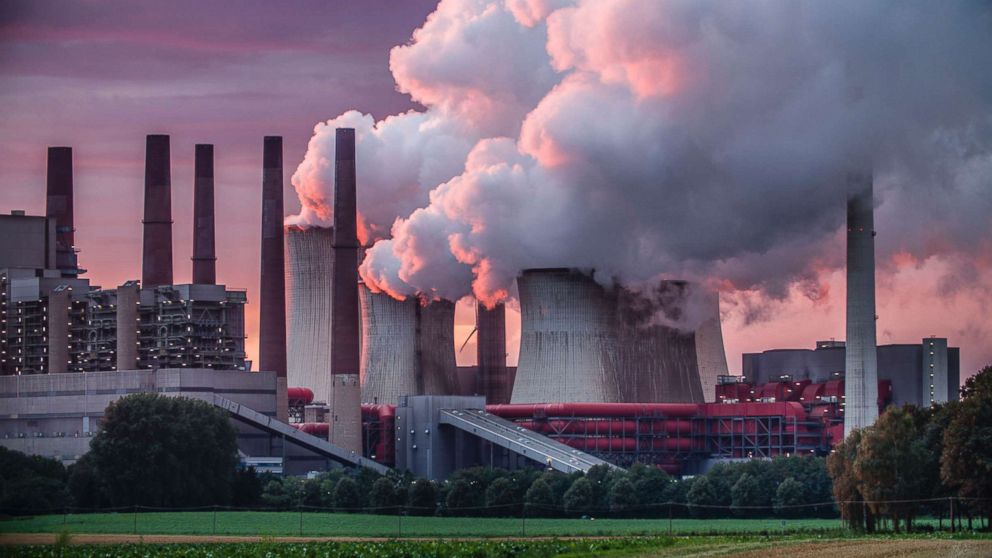
Rising levels of carbon dioxide, which deplete the nutrients of different foods, could leave hundreds of millions around the world at risk for nutritional deficiencies, according to a new global study from Harvard T.H. Chan School of Public Health published today in the Journal Nature Climate Change.
That means plants and key crops like wheat and rice could carry significantly less nutrition in the future.
Previous studies by this group and others have shown crops grown at greater than 550 parts per million (ppm) of carbon dioxide (CO2) have anywhere from 3% to 17% lower levels of iron, zinc and protein, compared with current atmospheric conditions of 400 ppm.
Results showed that by 2050, when the carbon dioxide in the atmosphere is predicted to reach around 550 ppm, 175 million people could become deficient in zinc and 122 million people could become protein deficient.
In addition, 1.4 billion women of childbearing age and children under 5 currently at high risk of iron deficiency could see reductions in their dietary iron intake of 4% or more.

“We cannot disrupt most of the biophysical conditions to which we have adapted over millions of years without unanticipated impacts on our own health and well-being," said Sam Myers, lead author of the study and principal research scientist at Harvard Chan School in a press release.
The authors also emphasized the 2 billion people around the world who currently live with nutritional deficiencies could see their condition worsen. The health complications for these 2 billion people could potentially be greater than those for people who would become deficient in the key nutrients for the first time.
For this study, the researchers used age and sex specific food supply databases for 151 countries to determine the impact of rising levels of CO2 across 225 different foods.
The regions likely to see the greatest impact are India and other parts of Southeast Asia where people rely heavily on plant-based foods.
The findings come almost a week after the Trump administration announced a proposal to relax restrictions on CO2 emissions from coal-fired power plants. The combustion of coal, scientists warn, adds a significant amount of CO2 to the atmosphere per unit of heat energy, more than does the combustion of other fossil fuels.
In the absence of mitigation efforts, atmospheric CO2 levels are predicted to reach 940 ppm by the end of the century.
Dr. Edith Bracho-Sanchez is a pediatrician and a consultant for ABC News.