Rubber bullets can be deadly, experts say, as George Floyd protests put spotlight on police use of the projectiles
The horrific death of George Floyd led to a national wave of protests against police brutality and racism. Law enforcement's attempts to control impassioned, mostly peaceful crowds include tactics often deemed 'non- lethal,' such as tear gas, pepper spray and rubber bullets. Experts warn that rubber bullets, a misnomer because they are often made with other non-rubber materials, are actually more lethal than one may think.
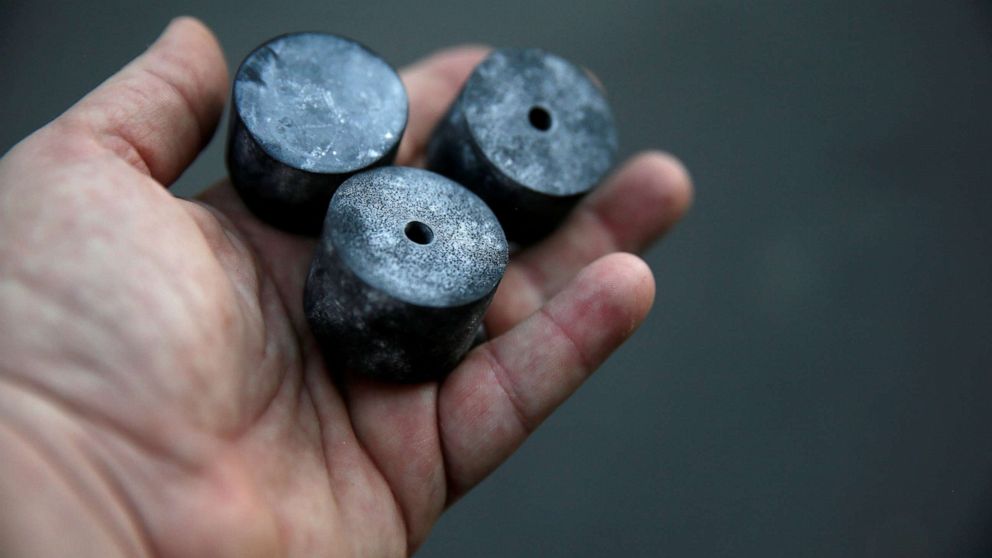
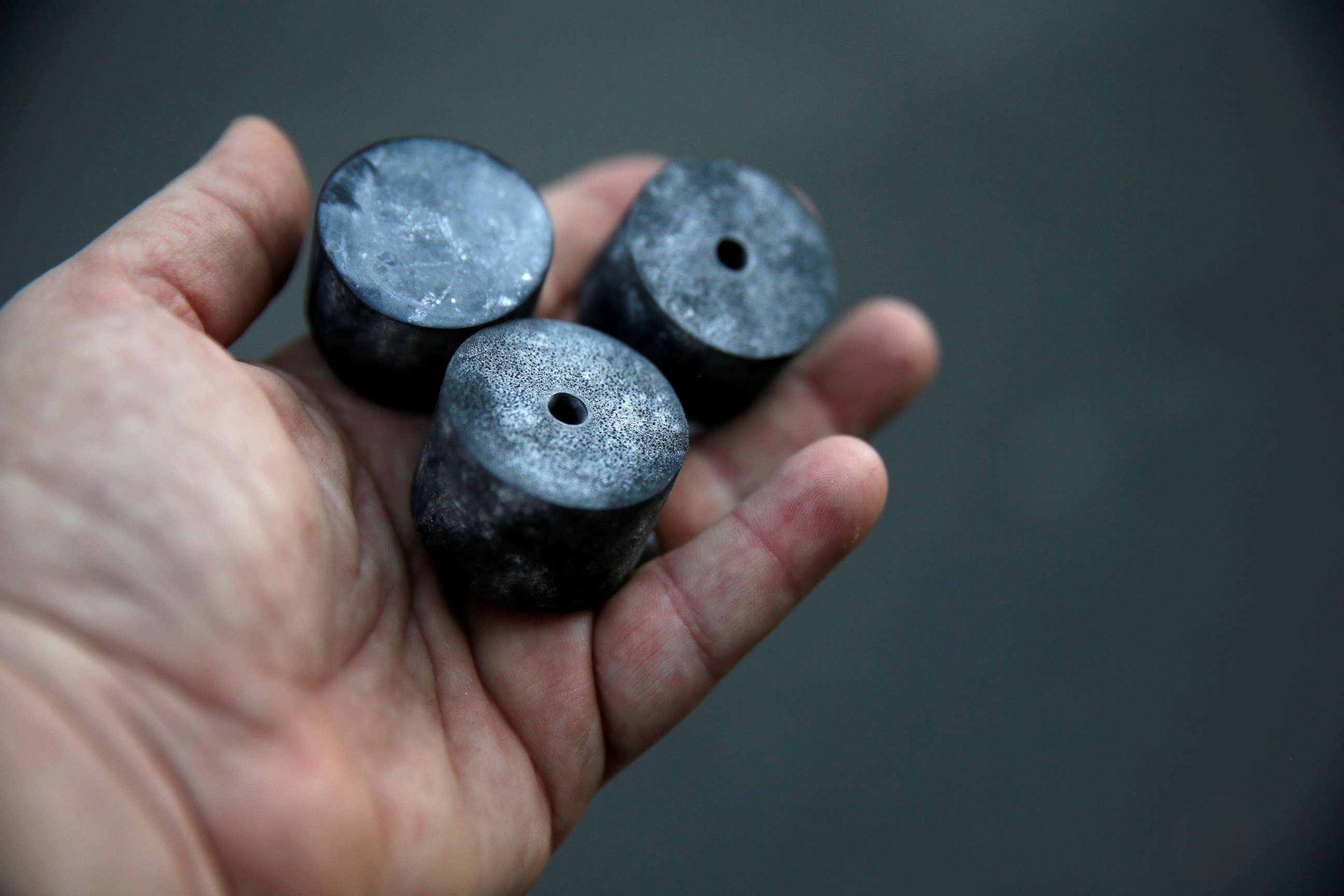
Rubber bullets, referred to as kinetic impact projectiles (KIPs) are made from a variety of materials including rubber, polyvinyl chloride, plastic or a composite including metal. A conglomeration of these materials into one bullet, propelled at a fast velocity and in close proximity, can cause terminal injuries.
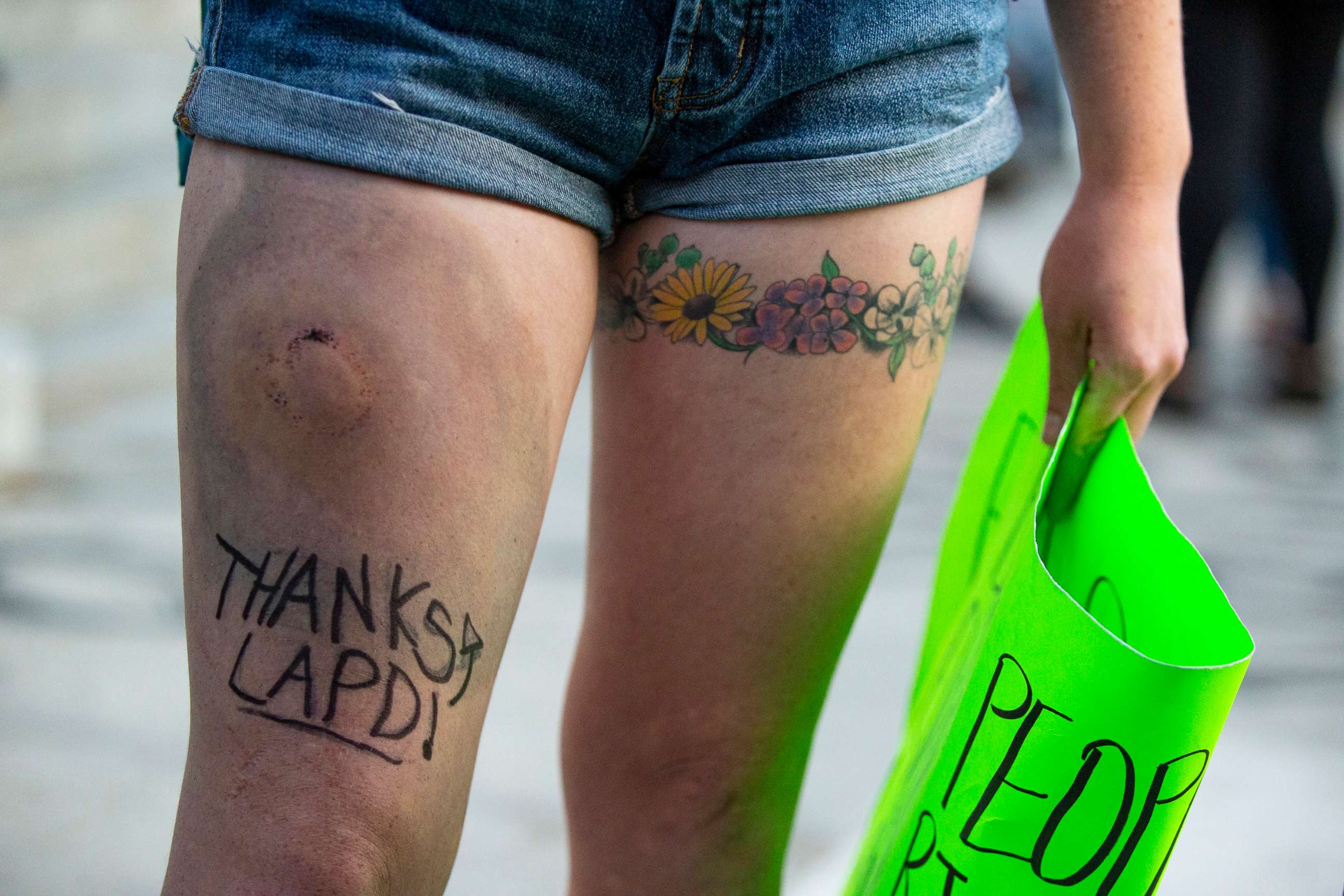
"KIPs are not benign," said Dr. Robert Glatter, emergency medicine physician at Lenox Hill Hospital, Northwell Health.
Rubber bullets are thought to cause less bodily harm than a regular bullet, but can in fact cause serious long-term damage. According to Glatter, depending on where a person is hit, rubber bullet impacts have been "linked to devastating eye injuries including a ruptured eyeball, destroying the integrity of the eye itself with permanent loss of vision, traumatic brain injuries, and solid organ injury."
Shooting a rubber bullet from the muzzle of the gun may even be lethal.
A study published in 2017, which reviewed 25 years of international data regarding death, injuries and permanent disabilities from rubber bullets also found that the trauma of impact may lead to death. Of the articles reviewed, 3% of those struck by KIPs died from the injury, with 15.5% suffering permanent injuries such as bowel injuries requiring surgery, splenic trauma leading to removal of the spleen, and even eye injuries leading to loss of vision.
"One of the major issues is that police departments are not required to report on the use of these weapons," said Dr. Rohini Haar, an emergency physician, medical expert at Physicians for Human Rights, and Research Fellow at the Human Rights Center at UC Berkeley's School of Law.
"There are documented deaths from all different kinds of rubber bullets all over the world."
According to Haar, another major concern with rubber bullets is that their irregular shape creates unpredictable trajectories making them very difficult to target. "There's really no way to use them safely in the crowd control setting to disperse the crowd or target a single violent individual within a crowd."
Some manufacturers provide guidelines on how to use these weapons safely, such as what distance to shoot from or where to target first. But experts argue, even with police officers who are trained to use these weapons, the difficulty in targeting and shooting, as well as the dynamic protest setting, make unintentional hits to the head, face, and neck likely, all of which can cause life-threatening injuries. A recent report by the United Nations recommends that KIPs only be used in addressing imminent threat and should only be directed to the lower half of the body and not to the head, face or neck.
But, Haar said, "Police cannot mitigate the harm of these."