• Video
  • Shop
  • Culture
  • Family
  • Wellness
  • Food
  • Living
  • Style
  • Travel
  • News
  • Book Club
  • Newsletter
  • Privacy Policy
  • Your US State Privacy Rights
  • Children's Online Privacy Policy
  • Interest-Based Ads
  • Terms of Use
  • Do Not Sell My Info
  • Contact Us
  • Recalls and Product Safety Alerts
  • © 2026 ABC News
  • Wellness

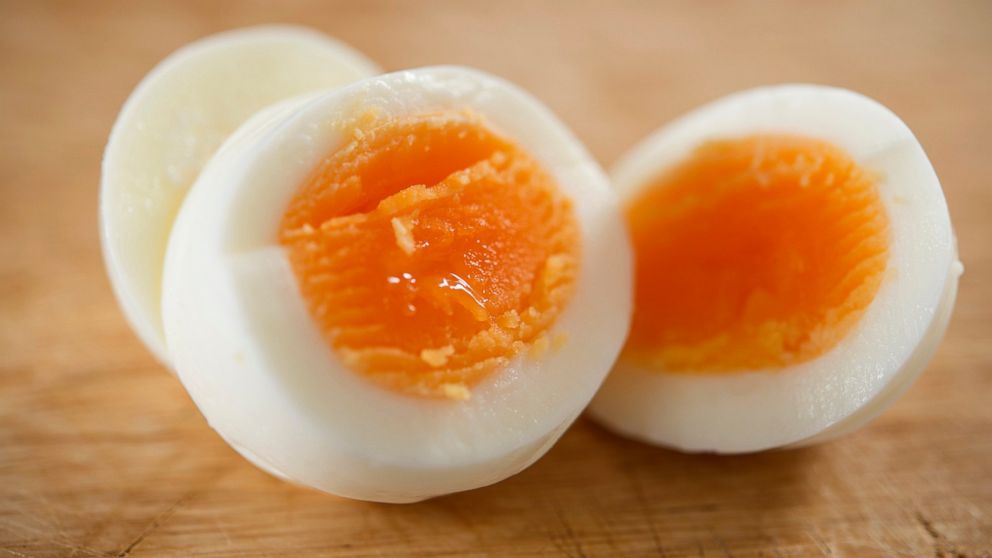
Scientists Crack the Code on How to Un-Boil a Hard-Boiled Egg
1:03
WFTV
Epileptic Boy's Treatment Delayed by Slow Medical Marijuana Rollout
Getty Images
ByLIZ NEPORENT
January 26, 2015, 9:29 PM

— -- Scientists have cracked the code for un-boiling hard-boiled egg whites and it could have huge implications for cancer research.

Egg whites are made of proteins that start out with a certain shape, explained Gregory Weiss, a professor of chemistry and molecular biology at the University of California, Irvine, and the experiment’s lead researcher.

“Once you boil them, the proteins stay intact but they change their conformation,” he said.

This is a big deal because even chemists assumed once you hard-boiled an egg it was game over, Weiss explained. But his team has been able to reverse the process so that proteins can be recovered and reused.

In a sort of scientific magic trick, Weiss and his team first peeled the egg whites away from the yolks and soaked them in a chemical called urea to dissolve them.
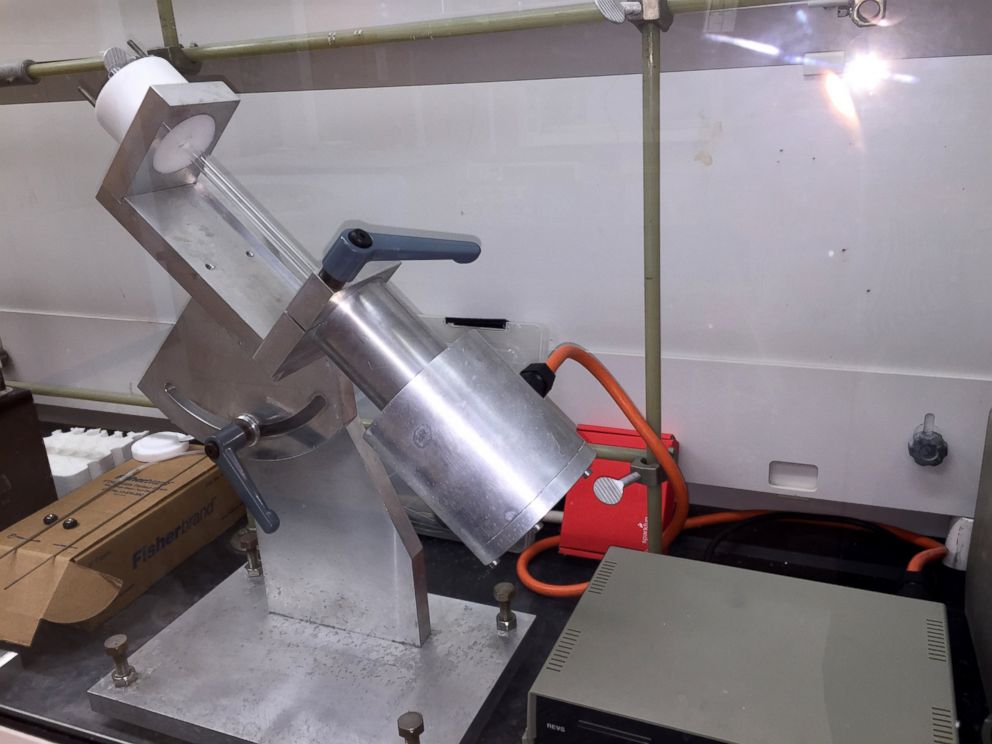
Scientists from the University of California Irvine use a vortex fluid device to spin hardboiled yolks back to their original shape.

They then placed them in a device called a “vortex fluid machine,” which spins the whites at high speeds to restore them to their original state.
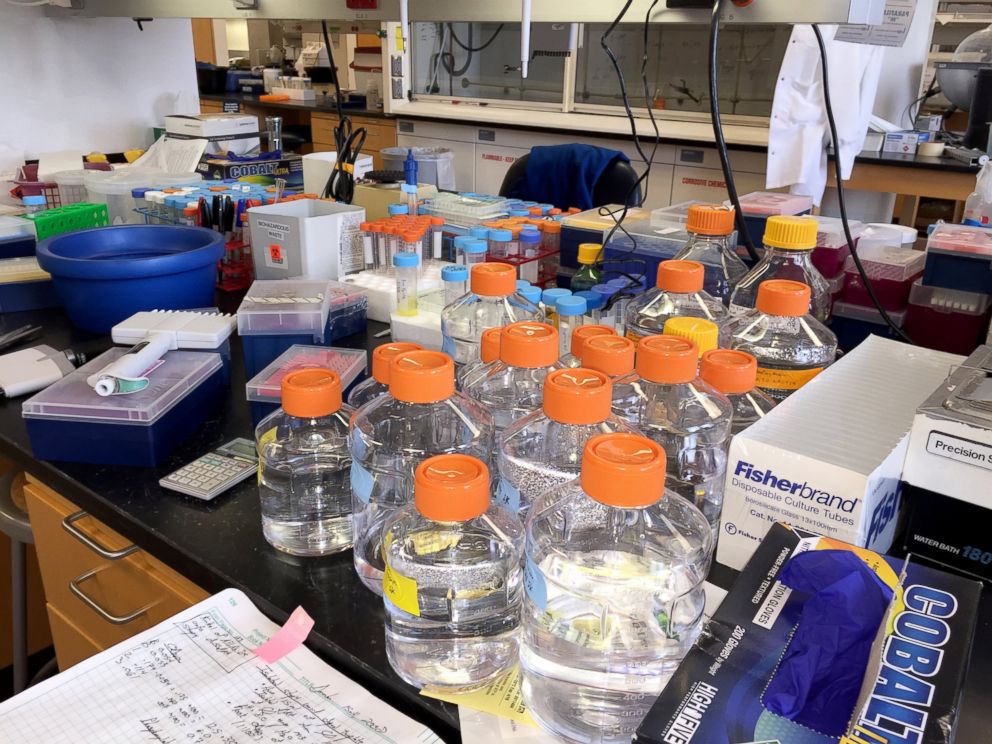
Scientists from University of California, Irvine first dissolve the hard boiled egg whites in chemicals.

The process is complete in minutes rather than days, Weiss said, and this is good news for those who use similar proteins in cancer research.

Certain proteins are quite useful in the lab but they tend to mis-fold into the wrong format, rendering a large portion of them useless. This new method is a quick and simple way to coax them back into their initial forms and prevent them from clumping up inside lab instruments.

“We are already using it in our cancer research here,” Weiss said, adding that he hoped the technique will be used on a larger scale within the next few years.

However, don’t expect this discovery to revolutionize fine dining. While it’s certainly possible to reverse a hard-boiled yolk, Weiss said they haven’t yet bothered trying. And, he said, it’s also theoretically possible to un-cook a chicken but the process would make it taste awful.
Up Next in Wellness—

Allergy medication recalled for potential cross-contamination that could be life-threatening, FDA says

July 22, 2026

Expert tips to avoid cyclosporiasis when dining at restaurants

July 21, 2026

Boy who went viral sharing rare cancer journey celebrates being cancer-free

July 20, 2026

Up to 5 cups of coffee per day may potentially lower heart disease risk, doctors say

July 20, 2026

Shop GMA Favorites

ABC will receive a commission for purchases made through these links.

Sponsored Content by Taboola

The latest lifestyle and entertainment news and inspiration for how to live your best life - all from Good Morning America.
  • Contests
  • Terms of Use
  • Privacy Policy
  • Do Not Sell My Info
  • Children’s Online Privacy Policy
  • Advertise with us
  • Your US State Privacy Rights
  • Interest-Based Ads
  • About Nielsen Measurement
  • Press
  • Feedback
  • Shop FAQs
  • ABC News
  • ABC
  • All Videos
  • All Topics
  • Sitemap
  • Recalls and Product Safety Alerts

© 2026 ABC News
  • Privacy Policy— 
  • Your US State Privacy Rights— 
  • Children's Online Privacy Policy— 
  • Interest-Based Ads— 
  • Terms of Use— 
  • Do Not Sell My Info— 
  • Contact Us— 
  • Recalls and Product Safety Alerts— 

© 2026 ABC News