Shifting vaccine hesitancy to acceptance in vulnerable communities: What will it take?
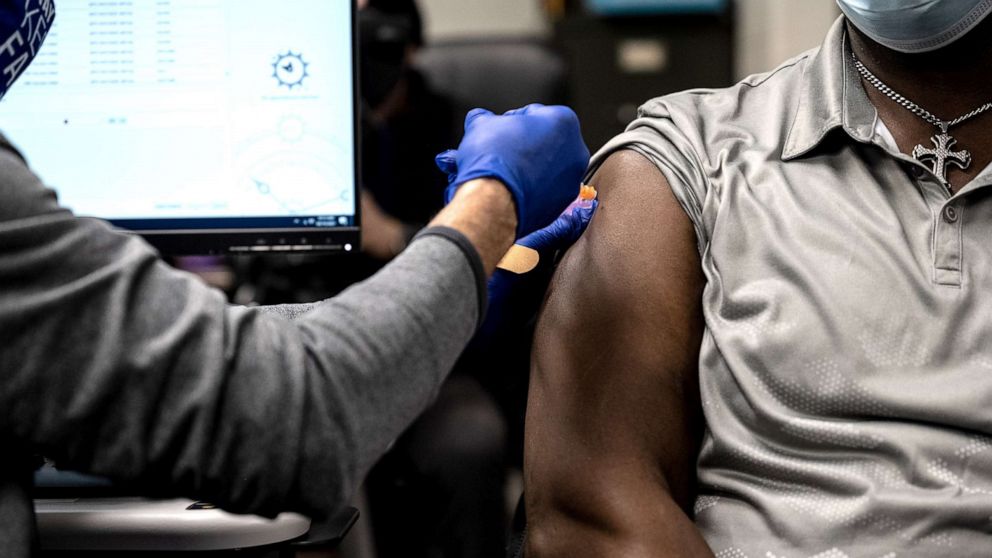
The recent Johnson & Johnson vaccine emergency use authorization has continued to propel the debate about vaccine hesitancy, access, education and what it will take to vaccinate more than 70% of the nation.
Despite two vaccines in circulation and a third now deployed, vulnerable communities and people of color remain disproportionately affected by the virus and are struggling to get vaccinated. According to the Centers for Disease Control and Prevention, only 7% of Black Americans, 9% of Hispanics and 2% of Native Americans have received a first dose.
The focus on vaccine hesitancy has detracted attention away from the other reasons people of color and those living in underserved communities are not getting vaccinated. The lack of access, education, community support and the perpetuation of myths create barriers to vaccine uptake. These barriers may not be overcome quickly, thereby creating even greater challenges to advancing the vaccination journey for these populations.
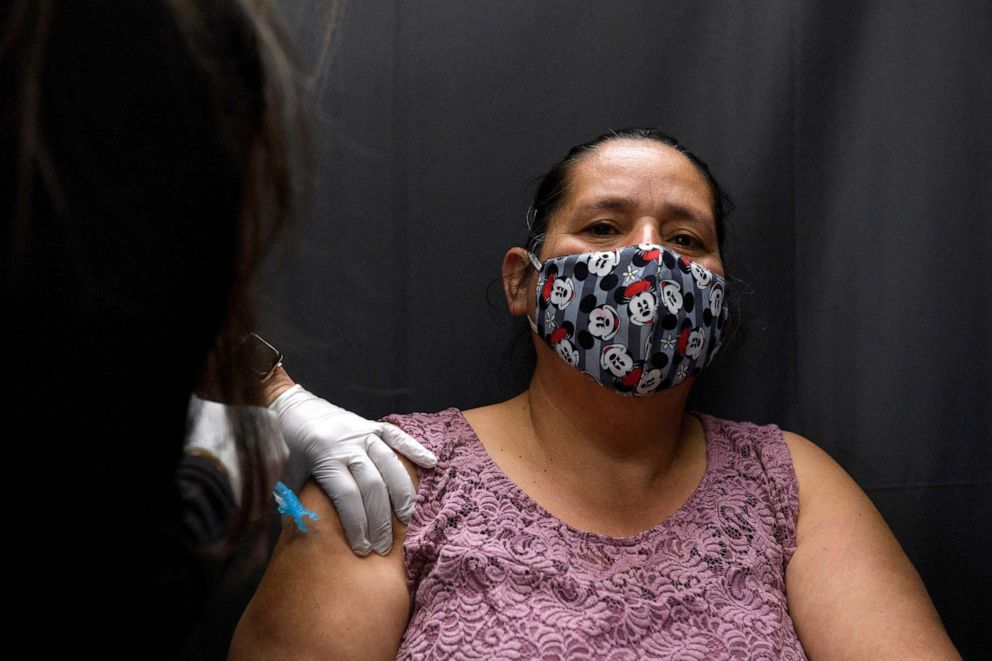
Here are several things we can do to help people of color and communities disproportionately impacted by COVID-19 become vaccinated.
Provide community education
The education of a community at large by trusted messengers can go a long way toward increasing vaccinations. This includes educating front-line workers like those in the service and transportation industries, health care workers and other essential personnel. For example, educating essential workers like those in sanitation and mail delivery services can make a difference.
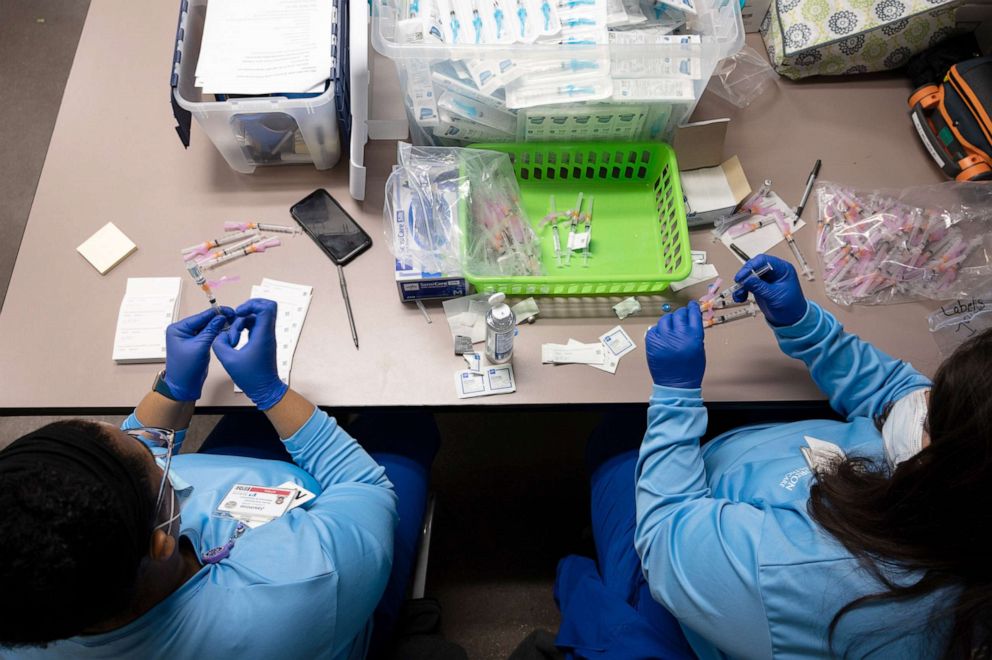
Data from Kaiser Family Foundation show the largest percentage of survey participants are seeking additional information to inform their decision about vaccination. Accessible education could shift many of these people toward vaccine acceptance. In addition, because vaccine science can be complex, it is imperative the information is communicated in plain language that is responsive to the needs of the community.
Increase access to vaccinations
Rather than expecting the most vulnerable and underserved to sign up online, it is critical to deploy vaccines into these communities where lack of digital access and transportation barriers may inhibit their ability to be among the first to access appointments. For a variety of social reasons, many people living in underserved areas often have difficulty keeping clinic appointments. Thus, ensuring equitable vaccine access will require a combination of high and low-tech solutions for allocating vaccine supply for vulnerable populations with low digital literacy and providing transportation access to vaccine sites as needed.
Ensure basic needs of survival are supported since social needs influence health outcomes
When we adjust for socioeconomic differences, we see there is a narrowing of the disparity gap. According to an analysis in the American Journal of Preventive Medicine, racial and ethnic differences in vaccination levels narrow when adjusting for socioeconomic differences.
Evidence demonstrates that when social needs such as unemployment, food insecurity, transportation and unstable housing are experienced by people, there is a challenge for individuals to prioritize health and immunizations. Shifting from vaccine hesitancy to acceptance requires meeting individuals where they are and making vaccine access convenient. Older adults who struggle with social needs and are homebound are experiencing significant challenges with vaccination.
Enlist champions of faith and community influencers
Pastors, community leaders, athletes and health care professionals of color have played an important role in enhancing vaccine confidence and trust in the past and can do so in this moment. They can draw on lessons and approaches from getting out the vote this past election to canvassing for vaccination.
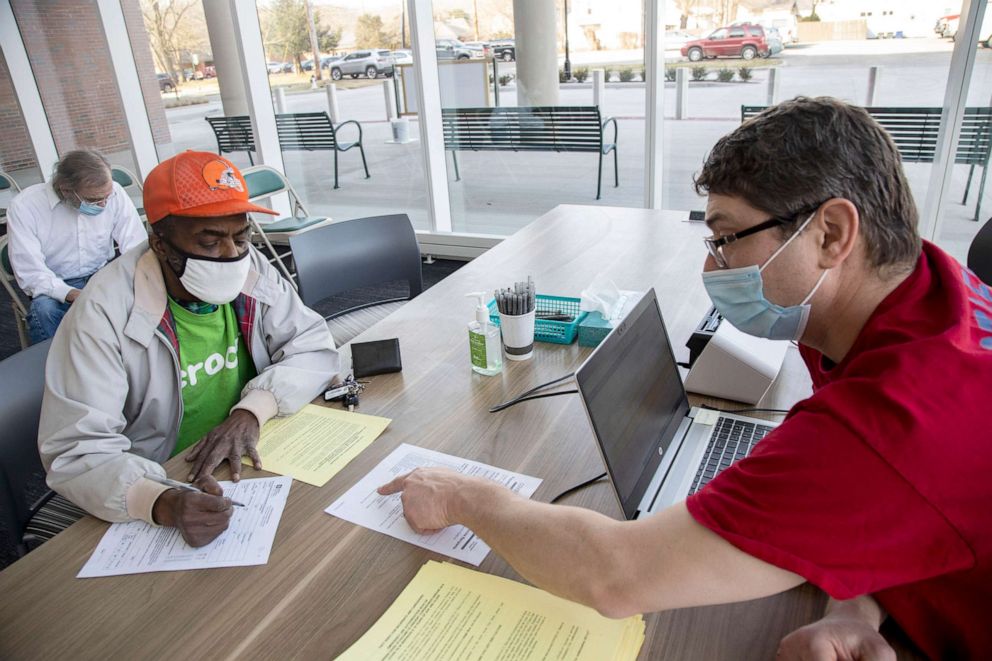
We can also deliver messages to at-risk populations by door-to-door canvassing and meeting people where they live work, learn and play -- like the barbershop -- to instill confidence in the vaccines. Furthermore, these trusted messengers can remind people of color that they have supported vaccination in the past even in the midst of day-to-day challenges in life. According to the CDC, when we look at the data since 2005, Black children are just as likely to have been vaccinated for measles, mumps, rubella and polio as any other children.
President Joe Biden has said the U.S. will have enough vaccine supply to get all adults vaccinated by the end of May. Johnson & Johnson’s vaccine could provide a much-needed boost to the U.S. immunization effort because it requires just one dose and has manageable temperature storage requirements.
The CDC Advisory Committee on Immunization Practices does not have a preference for any of the available vaccines. All three authorized vaccines are safe and highly effective in preventing very serious illness, hospitalizations and death. Now let's get that message across to vulnerable and underserved populations.
A combination of approaches above is likely our best shot at addressing vaccine hesitancy and increasing acceptance and education to end the pandemic.
Dr. Jay Bhatt is an internal medicine physician, an instructor at the University of Illinois School of Public Health and an ABC News contributor.
Dr. Lisa Fitzpatrick is an infectious disease physician, former CDC epidemiologist and CEO of Grapevine Health, an organization that creates health "edutainment" content for underserved and under resourced communities.