Speeding up COVID-19 vaccinations is a race against time: OPINION
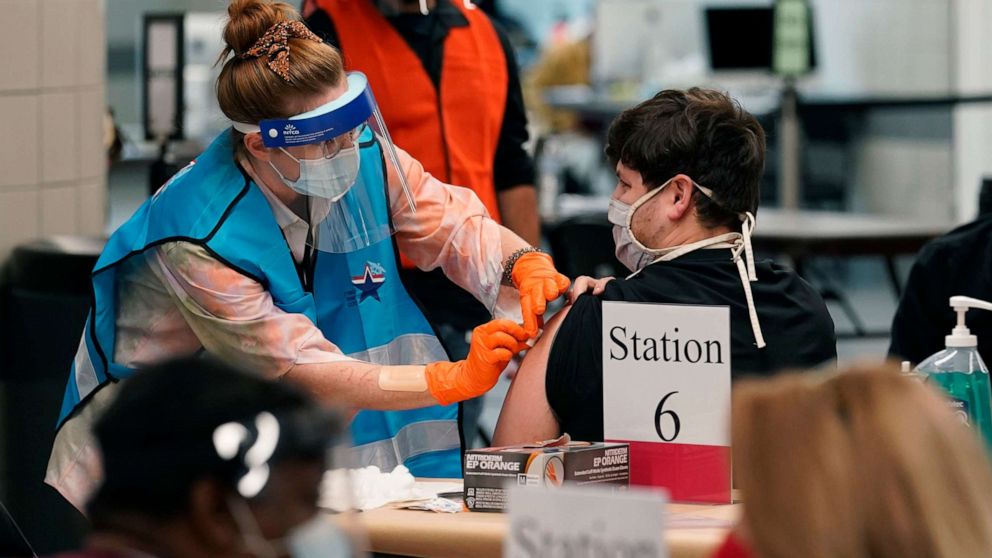
The nation's historic COVID-19 vaccination campaign began Dec. 14, 2020. Since then, 27 million doses have been distributed with only 9.3 million doses administered as of Jan. 11. As the United States faces what may be its most consequential days of the pandemic, breaking record highs of new infections and hospitalizations with over 4,000 Americans reported dead in a single day and two highly transmissible variants, COVID-19 shots in arms to slow hospitalizations and deaths are urgently needed.
The weight of the surge has fallen squarely on hospitals and public health departments, and adding mass population-wide inoculations amid a raging pandemic is just the straw that could break the proverbial camel’s back. There are many areas for improvement, however, the herculean efforts health care and public health systems have endured with little federal support is commendable.
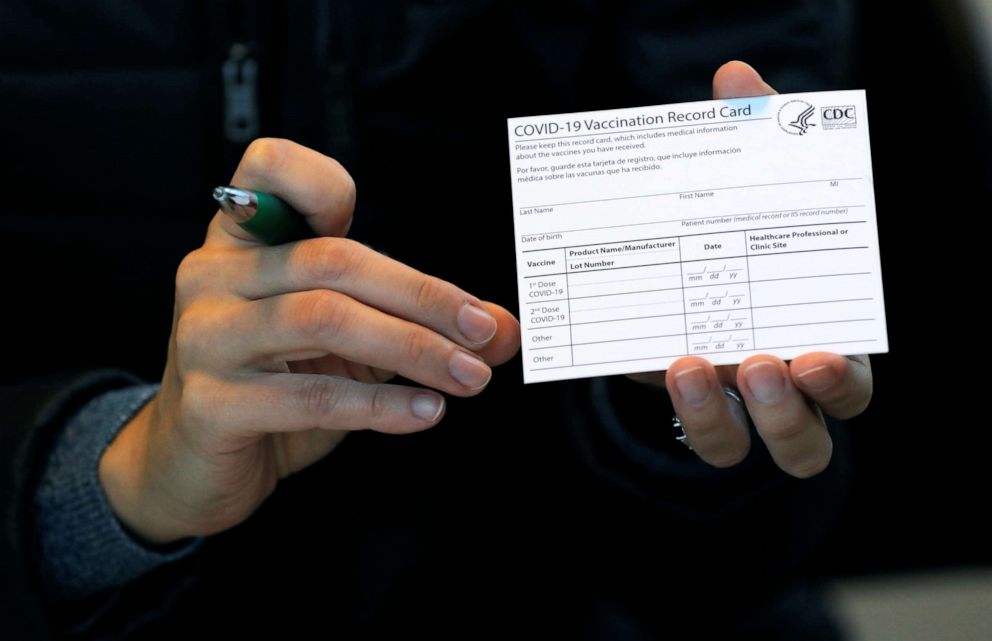
Below are actions that need to happen at the federal, local and state level to pick up the pace of COVID-19 vaccinations:
Federal-level support
- Increase supply and speed of vaccine manufacturing and distribution.
- Additional funding to support state-level COVID-19 vaccination campaigns including robust education and outreach programs.
- Provide advanced notice of allocation of vaccine to each state.
- Equal Medicaid reimbursement for vaccination and testing.
- FDA approval to pre-fill syringes with vaccine.
- Help states met their goals by providing resources where needed.
- National pharmaceutical chains take a bigger role in administration.
Local- and state-level actions
- Flexibility in vaccination eligibility.
- Vaccination clinics open 24 hours, 7 days a week.
- Multiple and mass community vaccination clinics strategically located in areas with good transportation access.
- Identify, recruit and train army of vaccinators utilizing staffing from volunteer corps, pharmacists, pharmacy technicians, first responders, students in nursing and medical school, dentists and other trained professionals.
- Up-to-date website and other communication platforms for easy scheduling, location of vaccine clinics, wait times.
- Streamline data-management processes: screening, intake, documentation to do in-advance for faster vaccination services.
- Establish daily vaccination goals.
Simultaneously, there must be a full-on education campaign and communications strategy at the federal, state and local level to build confidence and increase vaccine acceptance -- both for health care professionals and the general public. Health care workers aren’t immune to the political theater happening in this country. Educating the nation's cadre of health care workers on vaccine education is also top priority -- after all, health care providers are one of the most trusted and main sources of information with 85% in a recent survey showing the public trusts their own doctor or health care provider for reliable vaccine information. Yet, nearly 30% of health care workers in New York City have already refused the vaccination since being offered.
Building a robust communication and education plan that centers around guiding principles including: empathy, transparency, safety, effectiveness, cultural sensitivities, health disparity, trauma-informed care, equity and public health protection requires science communicators, funding and political will.
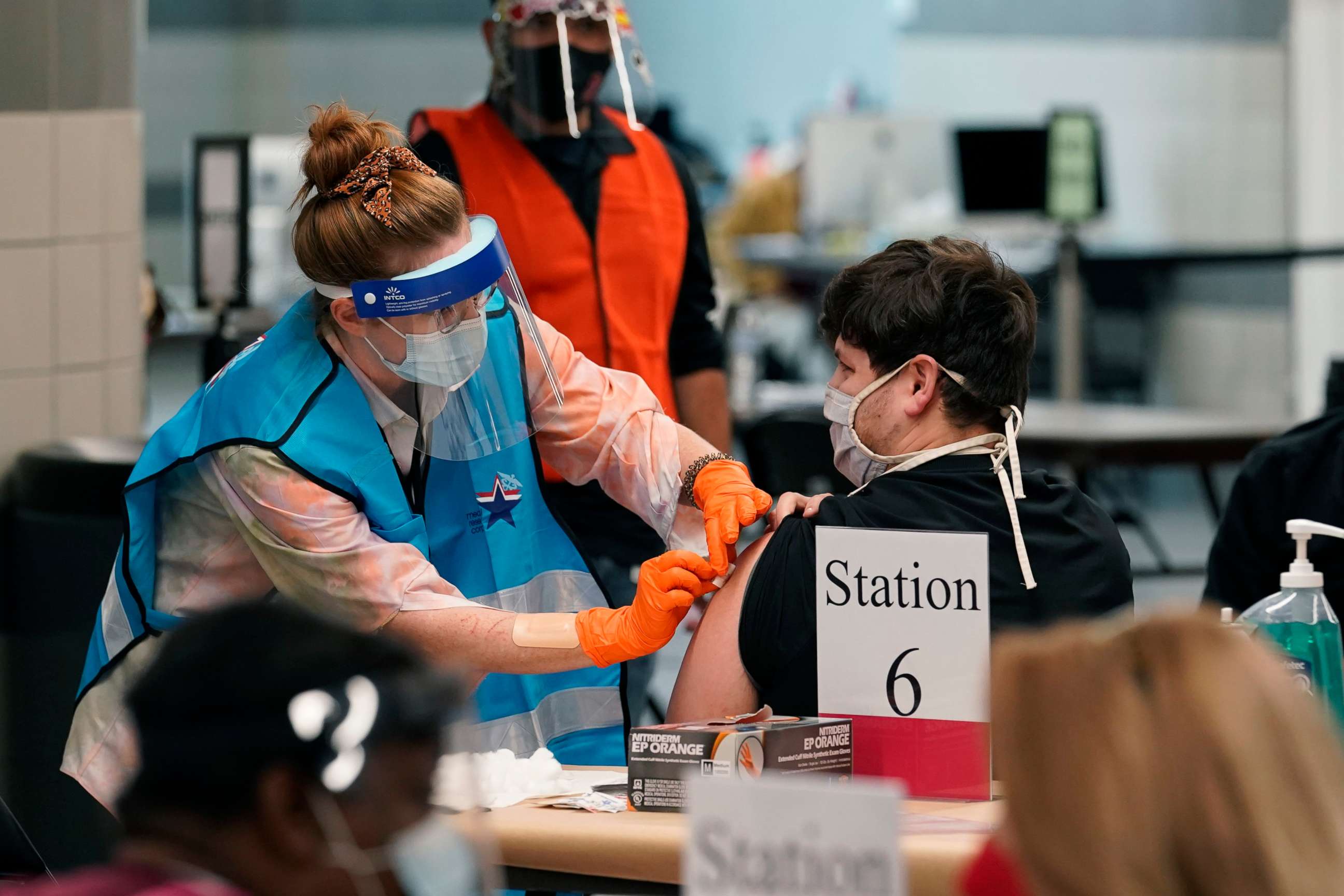
Only recently has there been an announcement for a rushed, large-scale public education campaign by the Trump administration to encourage Americans to get vaccinated but with no real action taken since the announcement.
Just like there still needs to be a national, uniform COVID-19 response strategy to fight the contagion (which we still lack), there also needs to be a national, uniform strategy to fight the contagion of misinformation on COVID-19 vaccines.
Dr. Syra Madad is an infectious disease epidemiologist and senior director of the System-Wide Special Pathogens Program at NYC Health + Hospitals.