Kleenex Designer Goes Public as Survivor of Sexual Assault
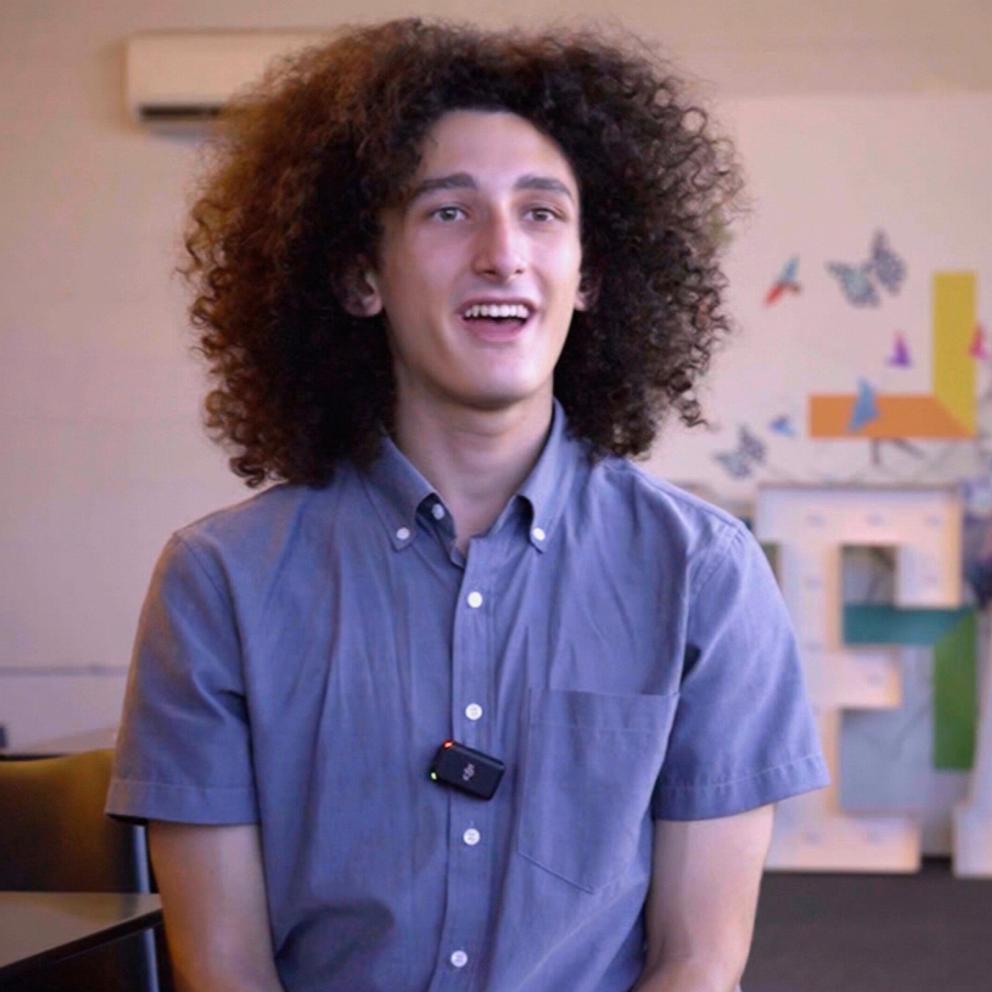
March 13, 1013— -- In 2010, Christine Mau, a brand design director for Kimberly-Clark, was named one of Advertising Age's "Women to Watch." She created the oval-shaped Kleenex box and added rainbow colors to tampon wrappers and feminine pads.
But at the height of her creative success, none of her corporate colleagues knew Mau's back-story: She was a child of poverty who suffered sexual abuse and assault, first at the hands of her father and later a boyfriend.
The fortuitous intervention of bystanders -- a high school teacher and, later, college friends -- saved her from a life of violence.
"People don't want to talk about it because of the associated stigma," said Mau, now 48 and the public face of a campaign called NO MORE to prevent sexual assault and to drive new awareness to stimulate bystander action.
"Every sound bite gets out there and breaks the silences and brings more power to survivors," said Mau, whose personal story inspired NO MORE. Kimberly-Clark, in turn, gave her full support.
Today, as the controversial Steubenville, Ohio, rape trial begins, a coalition of advocacy groups has united under a new universal message and logo Mau helped design. It is the first national prevention initiative that has been backed by every major organization that fights domestic violence and sexual assault.
See the full story about the Steubenville rape case on ABC's "20/20" Friday, March 22, at 10 p.m.
"The smallest things can have a huge impact," said Mau, who hopes that the new logo -- a blue circle with a hole in the middle -- will do for sexual assault what the pink ribbon has done for breast cancer and the red ribbon for AIDS.
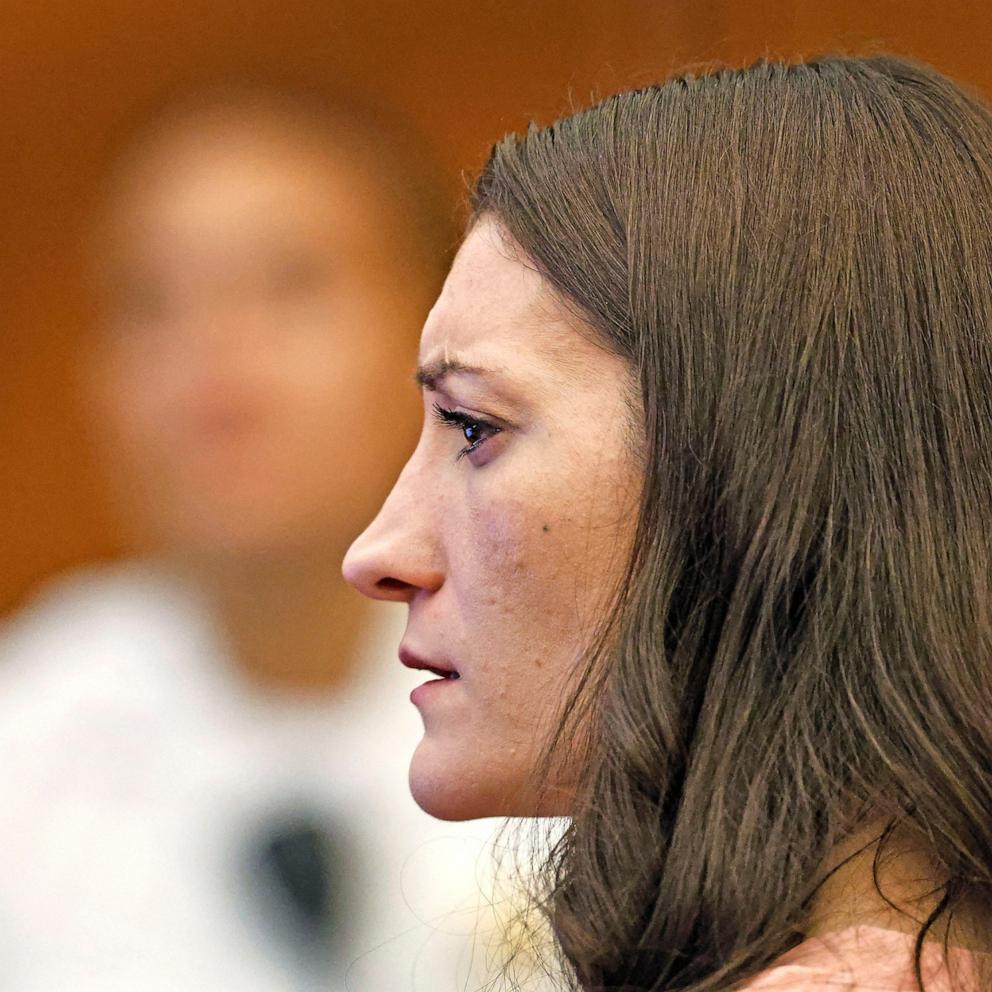
The Steubenville rape case shocked the nation as two football players, Ma'Lik Richmond, 16, and Trent Mays, 17, were charged with the rape of a drunken 16-year-old girl last August. Both have pleaded not guilty. The case sparked a debate, in part, because three other students took photos and video of the attack and did nothing to help the alleged victim.
Steubenville Scandal in Photos
A study released today before a Congressional hearing reveals that half of all young Americans surveyed (51 percent) know a victim of sexual assault or dating violence. Of the 700 women aged 15 to 22 surveyed, 53 percent said they would find it difficult to help; 40 percent said they wouldn't know what to do if they witnessed such a crime.
One in three young women and nearly one in two young men say they would not even know how to recognize the signs of sexual assault.
The national, randomized study was conducted by GfK Public Affairs and Corporate Communications and funded by the Avon Foundation for Women in conjunction with Seventeen magazine.
The new symbol has been embraced by celebrities including "Twilight" Actress Ashley Greene and Mariska Hargitay of television's "Law and Order SVU," who is president and founder of the Joyful Heart Foundation. Others include CBS sportscaster James Brown and singer Jasmine Villegas.
Mau was among the "best and brightest" in the branding and marketing industry who worked behind the scenes to develop the logo and a website that gives young people the tools to take action.
The logo, gender-neutral and "the color of safety and the color of the sky," represents zero tolerance and a circle of support around a victim, according to Mau. It will be used on signs and posters and attached to the bottom of emails from all the advocacy groups.
Marjorie Gilberg, executive director of Break the Cycle, a Washington-based national dating abuse and prevention organization and one of the supporters of the project, said the study shows young people want to respond, but don't know how.
"There are lots of things you can do -- even simply saying to a friend, if you see the interaction between a girlfriend and a boyfriend, 'I saw that -- is that how things usually go?'" said Gilberg. "Is that joking or is it serious?"
"The fear of losing social capital is very real as a teen," she said. "You want to help a friend, but you don't want to lose friends. But you can have a conversation and let them know where there are resources for help."