How to talk to your family and friends about getting the COVID-19 vaccine

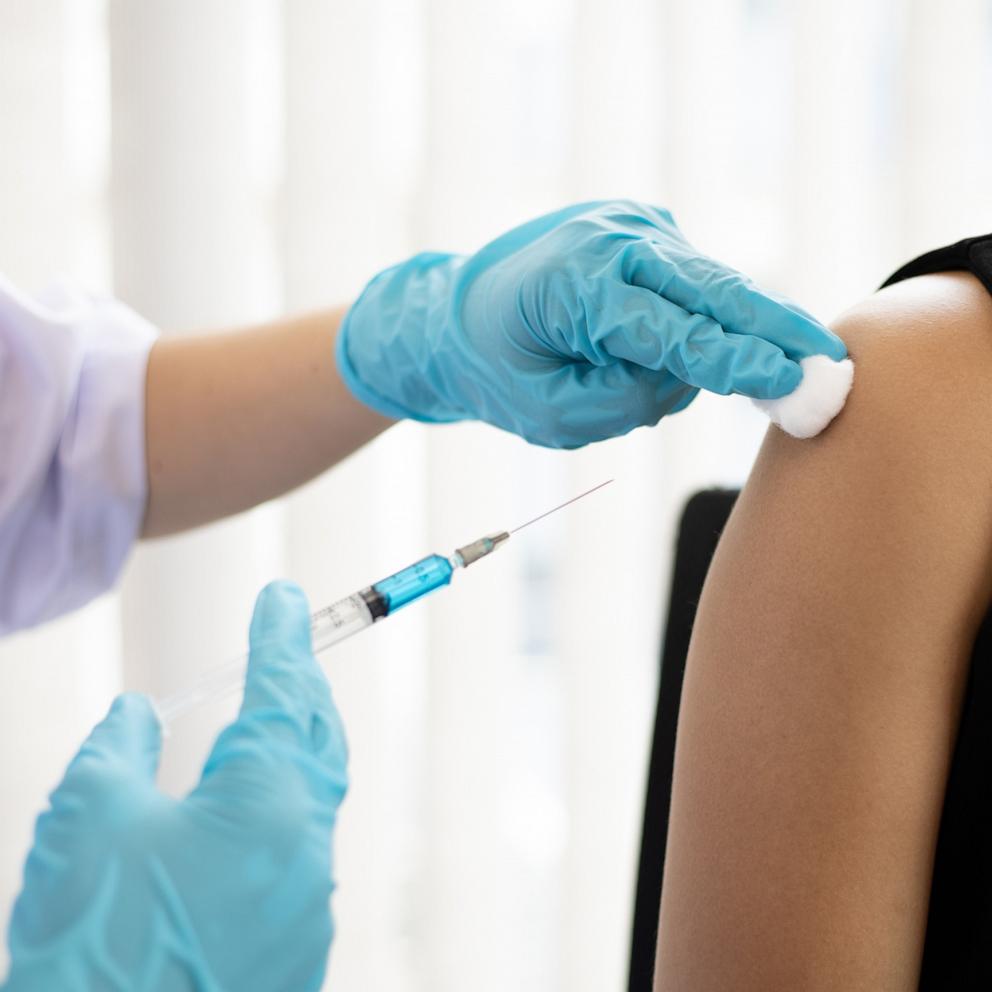
After COVID-19 emerged in China in late 2019, the world collectively held its breath in anticipation of a vaccine that would protect against the potentially deadly virus and end the pandemic. But now that several vaccines have arrived, uncertainty and important questions have followed for some.
How do you engage in a thoughtful discussion with your family, friends or co-workers about the vaccine?
First, recognize and respect every individual's right to confidently refuse vaccination. If you're not ready to hear "no," you may not be ready to have a conversation.
Once you are ready, try to introduce the topic in a nonthreatening way. You could ask, "I'm looking forward to getting vaccinated against COVID-19, have you thought about getting the vaccine?" Or just a straightforward, "Will you get the COVID-19 vaccine when you become eligible?"
The trick is to remain neutral. Don't put people on defense by taking a combative stance. Rather, provide factual information and answer questions based on evidence. This may help listeners identify any erroneous beliefs rooted in misinformation.
Be sure to follow up with "Why?" or, "What are some of your thoughts?" -- irrespective of a "yes," "no" or "undecided" answer. The goal is to spark a thoughtful conversation without judgment.
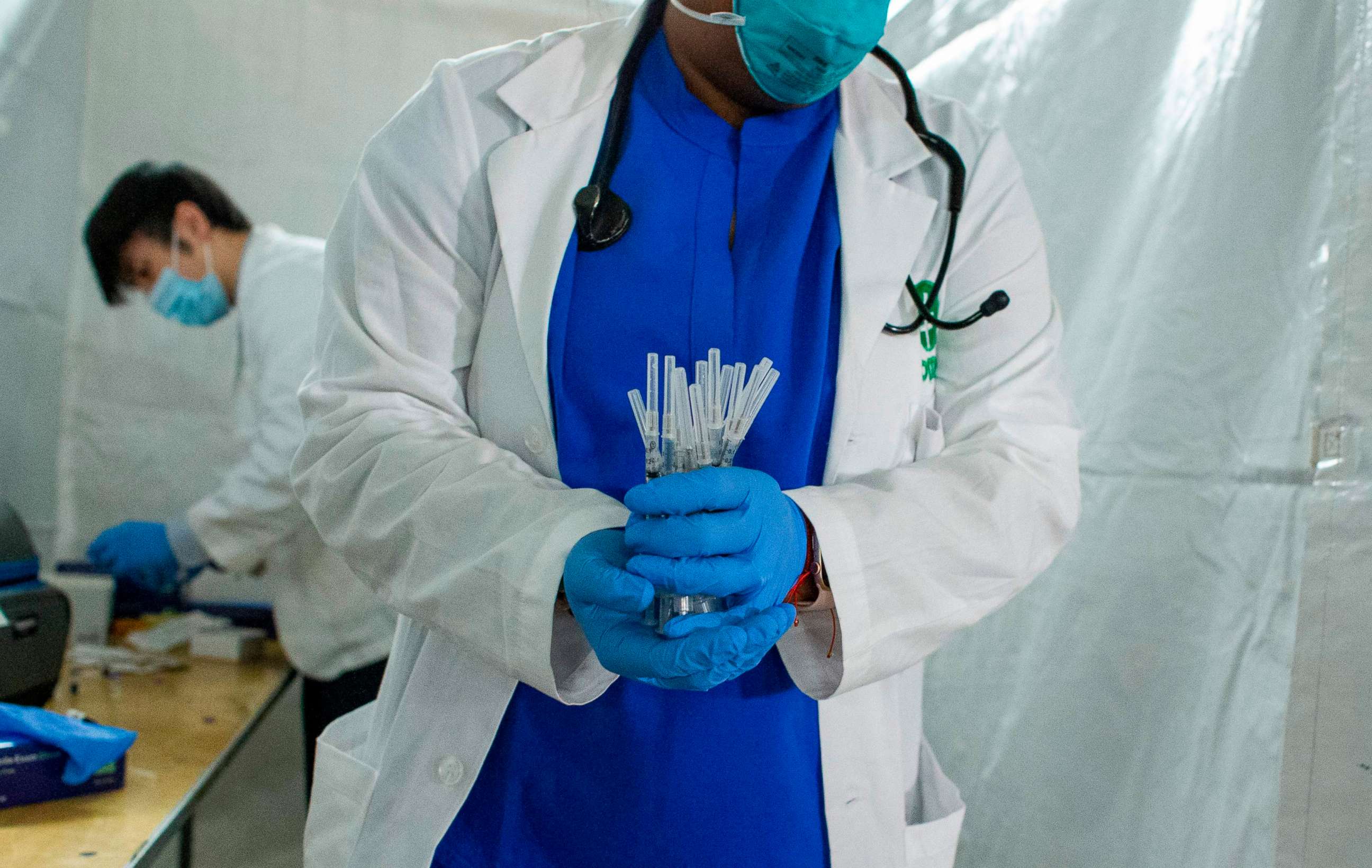
If emotionally charged topics like politics or religion arise, listen politely, then redirect. If you feel compelled to respond, a good neutral response is an even-toned "I hear you," before redirecting the conversation.
Here are some common themes that may arise in conversations about the COVID-19 vaccine:
How could they create a vaccine so quickly? How do we know this wasn't rushed?
The vaccine was able to be developed quickly in part because of preexisting research on the original SARS virus, which debuted in 2003. So, in reality, the COVID-19 vaccine is almost 20 years in the making. Meanwhile, unprecedented funding from governments around the globe removed financial barriers that can slow drug and vaccine development.
It was developed so quickly, how do we even know it's safe?
The COVID-19 vaccine went through the same rigorous safety testing every vaccine or drug goes through before being released, using the gold-standard research method: a randomized, placebo-controlled trial. No safety steps were skipped. Safety and side effects were rigorously monitored and recorded, and the vaccine was deemed safe.
The vaccine is way too new: how can we know if there are long-term side effects?
To date, there are no reports of lasting health effects in anyone who has received the vaccine, but we have many reports of lasting health effects in those who contracted COVID-19. So while it is true we cannot predict the future, the data we have so far tells us you are much more likely to have negative lasting side effects from contracting COVID-19 than from the vaccine against it.
What's the point of getting the vaccine if you still have to social distance and wear a mask?
We know the vaccine protects you from developing disease yourself. Scientists also believe it protects you from passing the virus on to others, but scientific research hasn't definitively proven the vaccine blocks transmission -- yet. That's why, for now, health officials are urging people to wear their masks even after they get the vaccine.
I'm young and healthy, why not just chance it? If I do happen to catch COVID-19, I'll just get natural immunity.
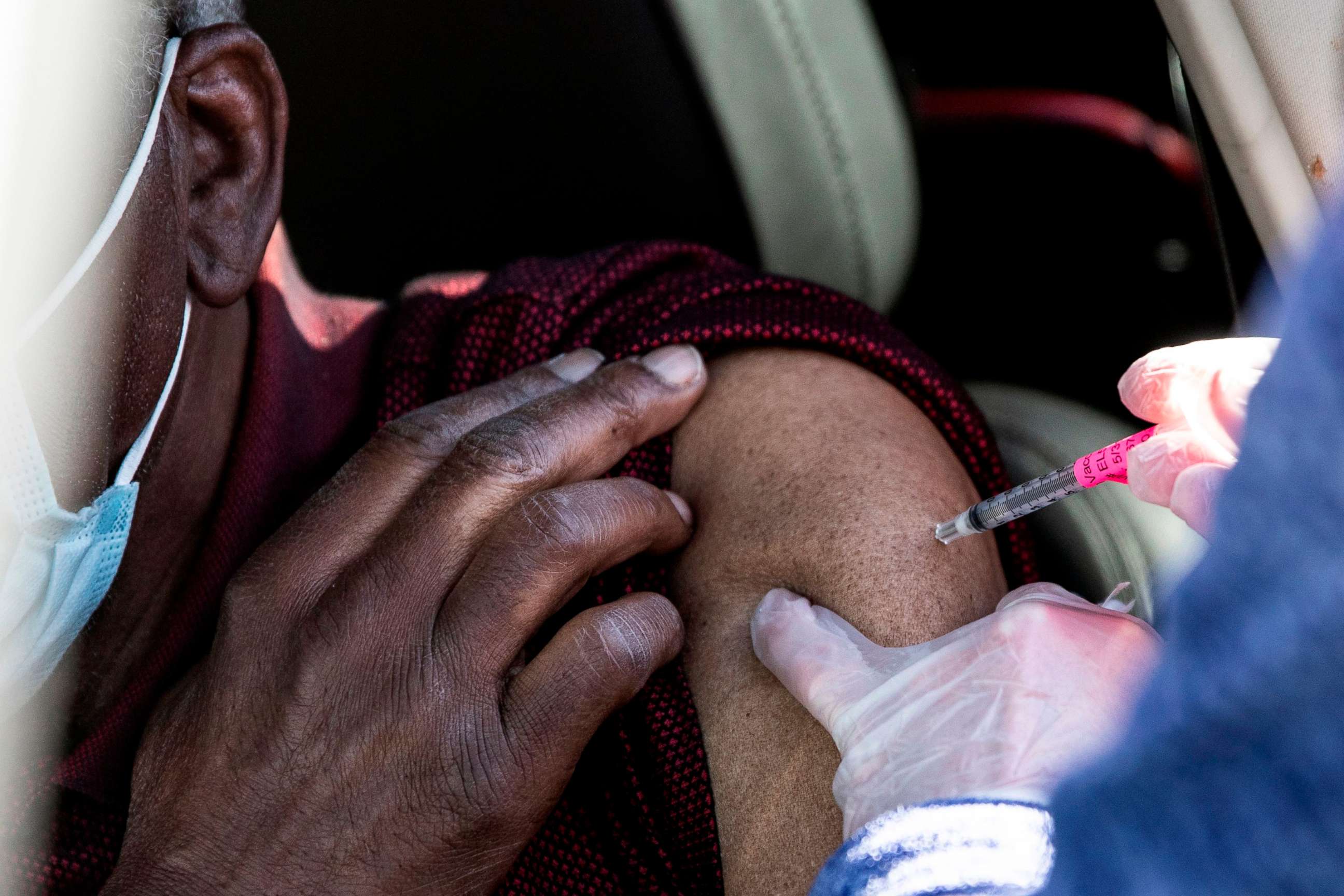
While it is true that young and healthy individuals are less likely to become seriously ill, it is not a guarantee, and some develop lasting health problems such as respiratory issues or organ damage. The risk of death or lasting health effects from the virus can be prevented by vaccination. Additionally, while you may recover from contracting COVID-19, your neighbor, grandmother or best friend may not. Vaccination also likely protects those around you.
I don't understand mRNA vaccines. How will it stop me from getting COVID-19?
The COVID-19 vaccine allows recipients to build immunity by exposing your immune system to a tiny piece of the virus called a spike protein. It uses messenger RNA, or mRNA, to make the spike protein in your body. The mRNA technology has been studied for decades in vaccines focused on other viruses, such as the flu, rabies and Zika. While mRNA is genetic material, it does not affect, interact or become part of your DNA and the spike protein it creates is not a live virus so it cannot infect you with COVID-19.
Ultimately, be thoughtful, knowledgeable and prepared. If you are unsure, be open about not knowing. A neutral response could be, "I'm not sure about that specifically, but all vaccine evidence so far shows benefits far outweigh risks."
Participating in open, honest, evidence-based discussions about the COVID-19 vaccine may be the most influential role you can play in the battle against the pandemic -- other than getting vaccinated yourself!
Nancy A. Anoruo, M.D., M.P.H., is an internal medicine faculty physician at Harvard Medical School and public health scientist and a contributor to the ABC News Medical Unit.