Trump administration begins mailing out $500 ACA refund checks. Here's what to know
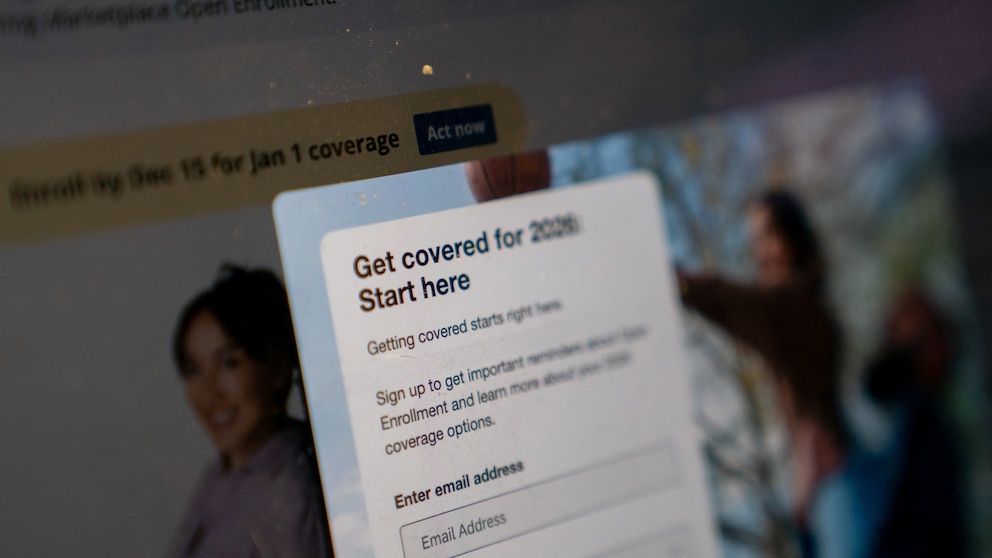
The Trump administration has begun mailing out $500 Affordable Care Act (ACA) checks to enrollees who were allegedly overcharged for coverage.
The Treasury Department is issuing the checks to 950,000 Americans in 30 states due to marketplace "user fee" overcharges, according to the administration.
In a video posted on X last month announcing the initiative, President Donald Trump claimed without evidence that the Biden administration sat on a pool of unused surplus money.
Here's what to know about who is eligible, where the checks are being sent and when they may arrive.
Who is eligible?
An administration official told ABC News on Thursday that the primary recipients of the checks will be people with incomes "above" 400% of the federal poverty level. The federal poverty level is $15,960 a year for an individual in the contiguous 48 states and Washington, D.C.
However, some recipients are those who earn between 100% and 400% of the federal poverty level who did not receive subsidies, the official said.
Residents in the following states will receive checks: Alabama, Alaska, Arizona, Arkansas, Delaware, Florida, Hawaii, Indiana, Iowa, Kansas, Louisiana, Michigan, Mississippi, Missouri, Montana, Nebraska, New Hampshire, North Carolina, North Dakota, Ohio, Oklahoma, Oregon, South Carolina, South Dakota, Tennessee, Texas, Utah, West Virginia, Wisconsin and Wyoming.
The administration official told ABC News that residents in these 30 states "do not operate their own ACA insurance plan exchanges and instead rely on federal exchanges administered by [the Centers for Medicare & Medicaid Services]."
The official said residents in the 20 remaining states will not receive checks "because their states run their exchanges, and thus the federal government did not oversee collecting user fees on them."
Texas and Florida have the highest numbers of individuals who will be receiving refund checks followed by Wisconsin, Arizona and Oregon, respectively, according to data provided by the administration.
Gerard Anderson, a professor of health policy and management at Johns Hopkins Bloomberg School of Public Health, told ABC News he's skeptical the checks will be going to the Americans most in need.
The payment "does not target the people most likely to have been harmed by the policy changes made by the administration, including the end of the tax credits," Anderson said.
The subsidies, or premium tax credits, helped lower or eliminate the out-of-pocket cost of monthly premiums for those who purchase insurance through the health insurance marketplace. They expired at the end of last year and have yet to be renewed.
Anderson added that the check amount is also not tied to a person's medical condition, which has a large impact on the cost of their premiums.
When will the checks be delivered?
Initially, the administration said checks would be sent to eligible Americans beginning in October 2026, but the administration official said the checks were sent out beginning Wednesday.
It's unclear how long it will take eligible Americans to receive the checks.
The checks will also come with a letter, according to the administration official.
"For years, the Biden Administration overcharged you to fund the operation of HealthCare.gov," the letter, viewed by ABC News, reads in part. "That money belongs to hard-working Americans, not the Government, and now, I am returning it to you."
The checks are separate from a proposal Trump made during the GOP midterm convention in Dallas to offer a $5,000 "dividend" to all adult Americans if Republicans keep control of the House and Senate in the midterm elections.