People with Type 1 diabetes may be at high risk for severe illness related to coronavirus: Study
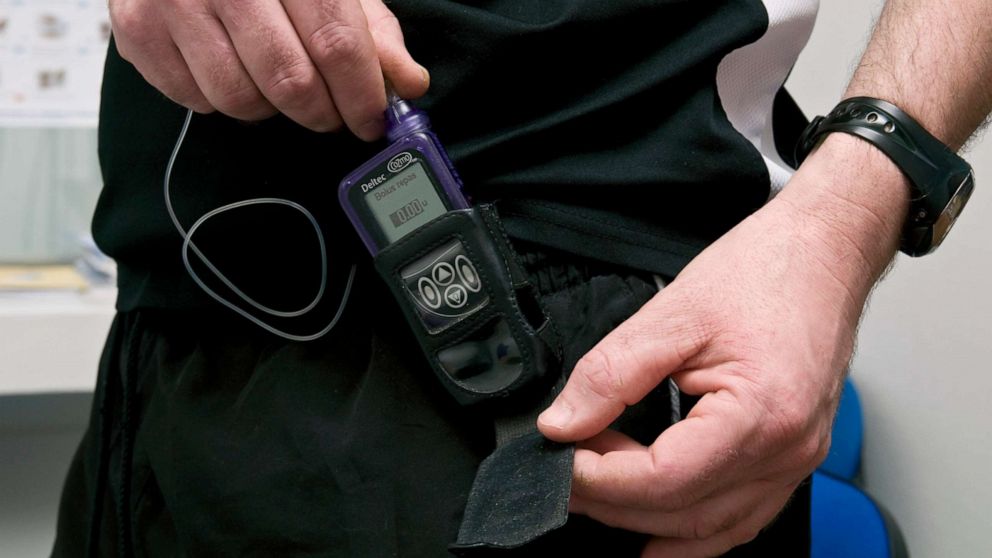
People with Type 1 diabetes may be at a high risk of developing severe symptoms and illness from COVID-19, according to a new study published in Diabetes Care.
Diabetes is generally known to weaken the immune system, making it harder to protect against viral infections like COVID-19. Viruses, like the novel coronavirus, may also aggravate preexisting diabetic systems leading to added challenges managing blood sugar levels and worse outcomes.
Researchers found that about half of the people in the study with Type 1 diabetes and suspected or confirmed COVID-19 infections had abnormally high blood sugar -- highlighting how COVID-19 can complicate blood sugar control in Type 1 diabetic patients.
Having consistently high blood sugar can be a sign of diabetic ketoacidosis, a potentially fatal diabetic complication that is characterized by high blood sugar and low insulin levels. It is commonly triggered by infections.
In the study, almost half of all confirmed COVID-19 cases also developed diabetic ketoacidosis,
"This points to the need for people with diabetes to check their blood glucose often, and to keep blood glucose in good control." said Dr. K.M Venkat Narayan, professor of global health and epidemiology at Emory University, who was not involved in the study.
He added, "People with diabetes, in general, are at increased risk of adverse COVID complications, and at more than twice the risk of death from COVID than people without diabetes."
There are two main types of diabetes: Type 1 and Type 2. Type 1 diabetes is an autoimmune condition, which means that the immune system attacks the body's own cells and impairs its ability to produce insulin, a hormone that helps to control blood sugar levels. Blood sugar regulation is a complicated process, affected by multiple factors such as food, sleep, stress and illness. Type 2 diabetes, the much more common form of the disease, usually presents itself in adults and can often be controlled by healthy eating and exercise.
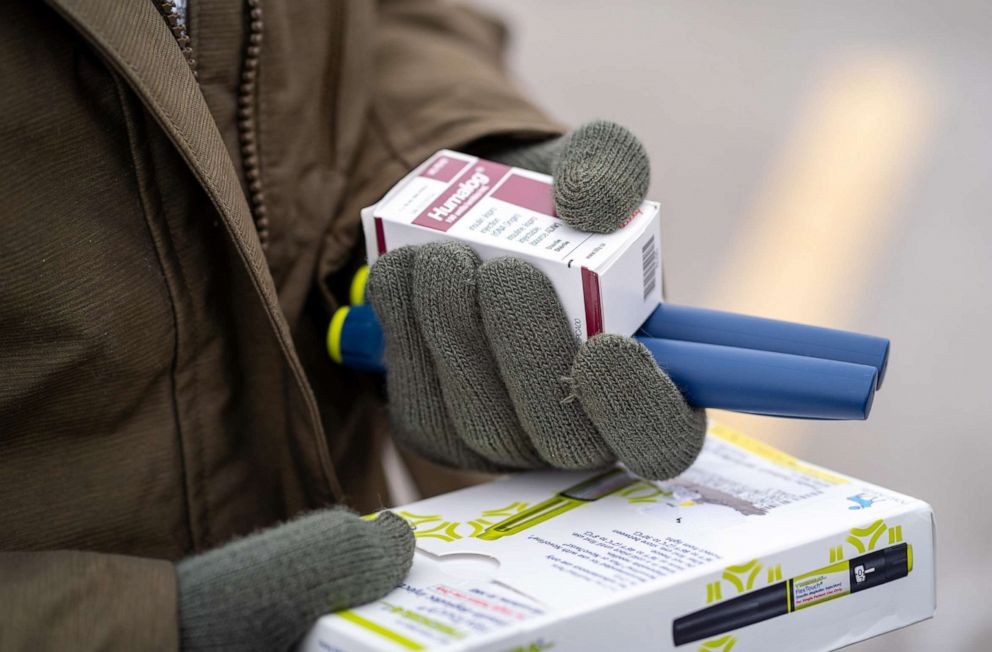
This study only included patients with Type 1 diabetes and a suspected or confirmed case of COVID-19.
"So far, most of the studies published have lumped together all types of diabetes. We know these conditions can be very different and we need to study them separately," said Dr. Fernando Ovalle, director of the division of endocrinology, diabetes and metabolism at the Birmingham School of Medicine, University of Alabama, who was not involved in the study.
Dr. Mary Pat Gallagher, director of pediatric diabetes at NYU Langone Health and co-author of the study said that from the data they have the risks of complications, such as high blood sugar and diabetic ketoacidosis with COVID-19, are probably similar to those seen in other viral illnesses.
However, "COVID is a more serious infection than influenza," Narayan said.
More research is needed, according to Ovalle. The study was fairly small; most people studied were in their early 20s and did not examine how the severity of COVID-19 symptoms compared to people without Type 1 diabetes.
"Much more research is needed before we can know for sure what the true risks are, particularly for Type 1 diabetes," he said.
Dr. Osagie Ebekozien, author of the paper and vice president at T1D Exchange, added, "As we collect additional data, we will be able to provide more insights on factors that contribute to increased risks of hospitalization and adverse outcomes as a result of COVID-19 for people with Type 1 diabetes."
Regardless, the Centers for Disease Control and Prevention said that diabetes, "including type 1, type 2, or gestational, may put people at higher risk of severe illness from COVID-19," and patients should take extra precautions. The agency recommends taking diabetes pills or insulin as usual, testing and keeping track of blood sugar every four hours, and having at least a two-week supply of diabetes pills or insulin.
"High glucose levels may be one factor contributing to excess risk from COVID, and therefore, attention to glucose control is key," said Narayan.
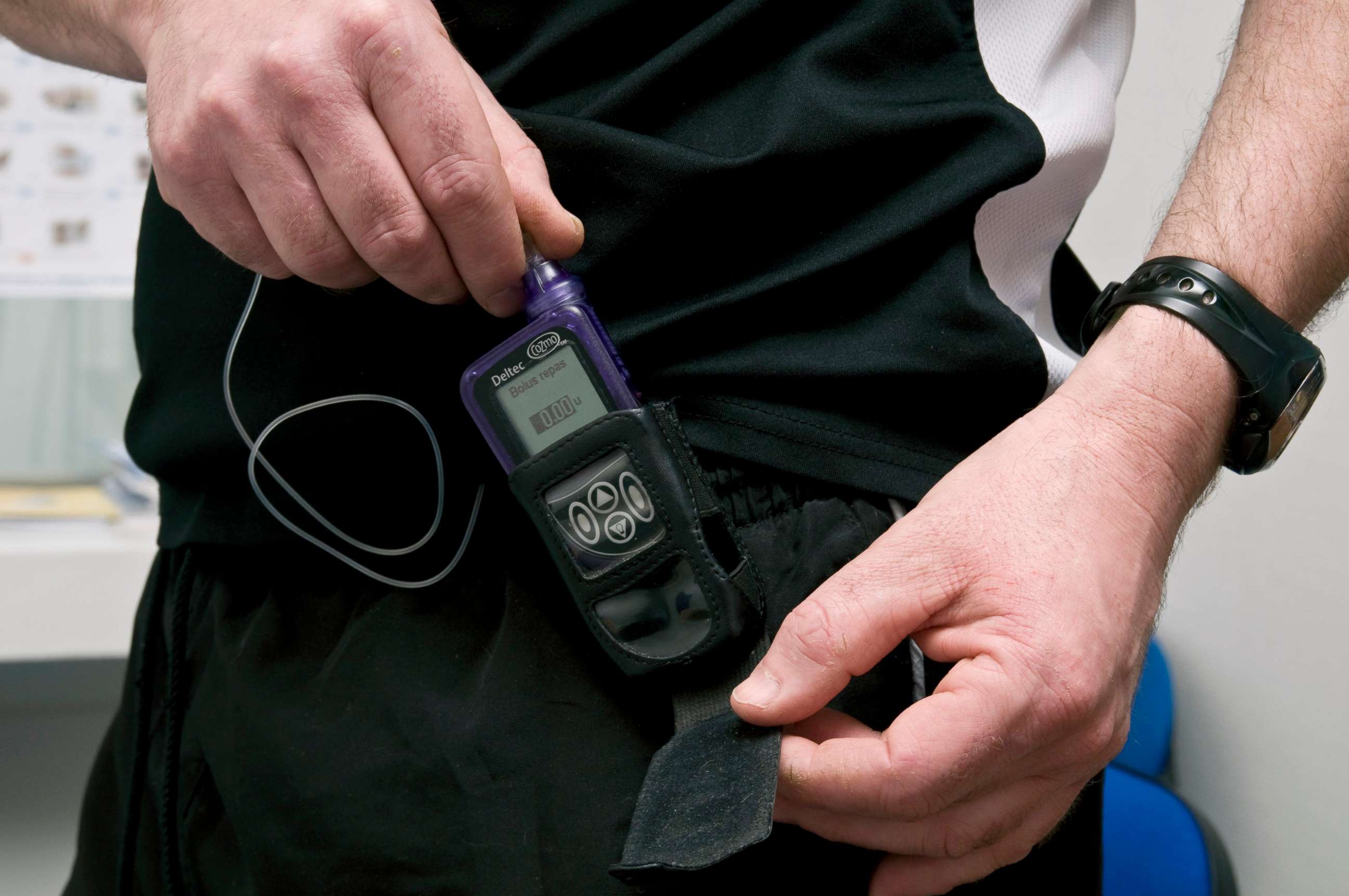
Experts advise that diabetics should talk to their physicians if their medications need adjustment. "It is usually possible to prevent diabetic ketoacidosis if the higher insulin requirements that are often seen with viral illnesses are addressed early in the process," said Gallagher.
A healthy lifestyle with regular exercise, balanced diet, regular sleep and stress management all help with diabetes control and "may also help boost defenses against COVID," said Narayan.
Amid the pandemic, disruptions to work, care and daily routines make it harder to maintain good blood sugar control. Experts advise vigilance and care: Take safety measures to avoid COVID-19, check blood sugar levels more frequently if feeling sick and do not hesitate to seek a physician's assistance. Serious complications are preventable with early intervention and responsible diabetes management.
ABC News' Dr. Jessica Johnson contributed to this report.
Hassal Lee, a neuroscience Ph.D., and student doctor at the University of Cambridge is a contributor to the ABC News Medical Unit.