UK government to test mixing COVID vaccines in new trial
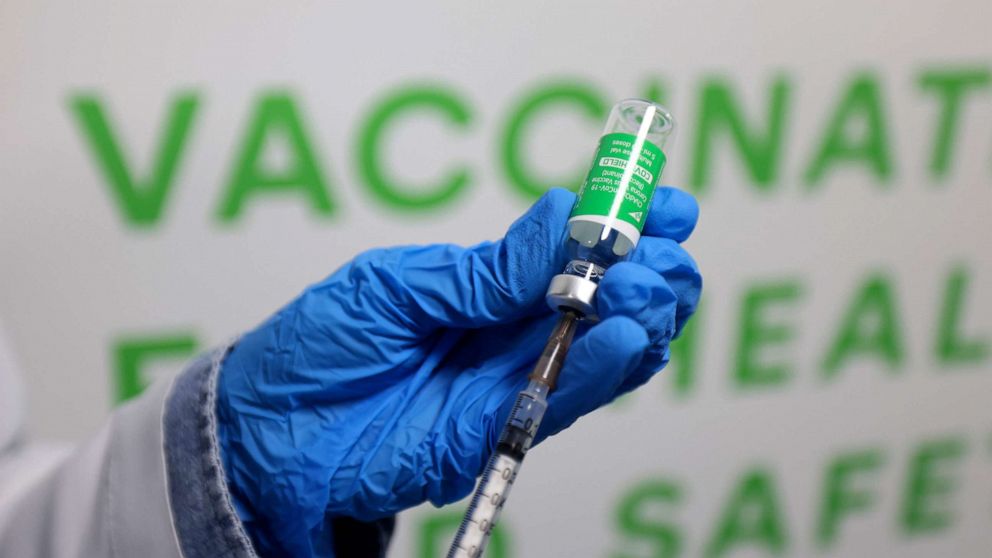
The U.K. government is announcing a new trial to test mixing different types of COVID-19 vaccines. In a world-first, trial participants will be given one vaccine dose followed by a second booster shot of a different vaccine.
“If we do show that these vaccines can be used interchangeably in the same schedule, this will greatly increase the flexibility of vaccine delivery, and could provide clues as to how to increase the breadth of protection against new virus strains,” chief investigator Matthew Snape, associate professor in pediatrics and vaccinology at the University of Oxford, said.
The trial will combine the AstraZeneca/Oxford vaccine with the Pfizer/BioNTech vaccine. These two vaccines have been designed using different technologies and this is the first time their compatibility will be tested.
AstraZeneca is also trialing combining their vaccine with the Russian Sputnik V but these two vaccines have been made following a similar process.
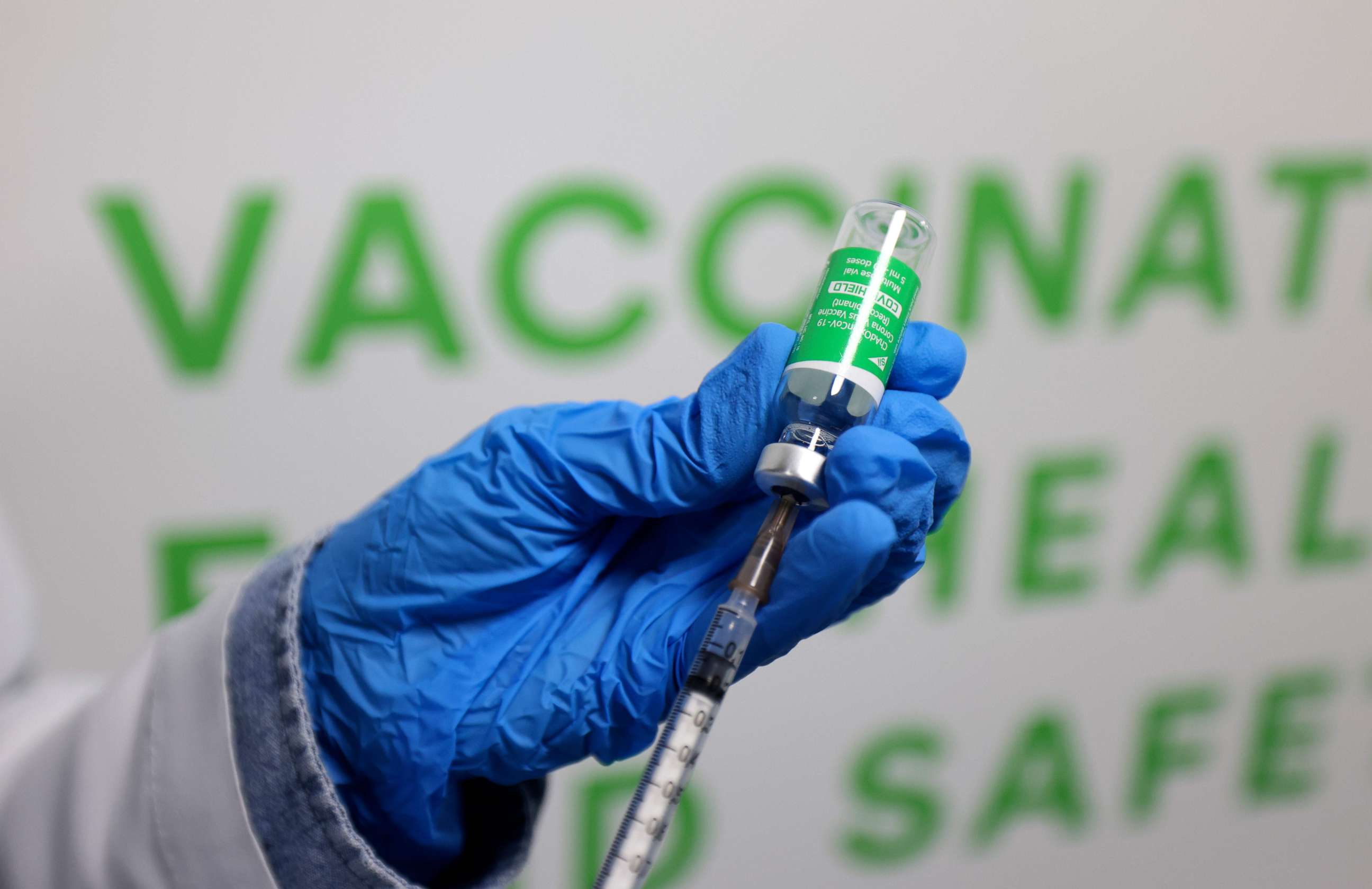
The Pfizer/BioNTech vaccine is an mRNA vaccine or genetic-code vaccine. It introduces an instruction manual comprised of genetic material and this instruction manual tells your cells to start churning out a protein normally found on the outside of the virus. When your body senses that viral protein, it activates an immune response.
The Oxford/AstraZeneca vaccine is known as an adenovirus or viral vector vaccine. It uses a different virus as a "vector," or delivery mechanism, to introduce that instruction manual comprised of genetic material, kick-starting the same process.
So although the two vaccine technologies are different, British scientists think that if they are combined, they will still offer immunity to the virus,
“It is also even possible that by combining vaccines, the immune response could be enhanced giving even higher antibody levels that last longer; unless this is evaluated in a clinical trial, we just won’t know,” said deputy chief medical officer and senior responsible officer for the study, Professor Jonathan Van-Tam.
“This study will give us greater insight into how we can use vaccines to stay on top of this nasty disease,” Van Tam added.
Similar studies have been carried out on animals according to Dr Patrick Hwu, President and CEO of Moffitt Cancer Center, “There are a number of animal models demonstrating that utilizing different kinds of vaccines to boost the effects of a vaccine can work. Immunologically, it makes sense to try this,” he told ABC News.
“An mRNA is a much more “minimal” vaccine, whereas an adenovirus-based vaccine exposes the immune system to many adenovirus proteins that can induce antibodies that may neutralize the adenovirus for subsequent boosts,”Hwu added.
This idea of alternating vaccines is not new, according to Ian Jones, professor of virology at Reading University. Some scientists worry that for viral vector vaccines like Oxford's, people might develop immunity to the vaccine itself, because the vaccines use another virus to deliver their genetic payload.
“The idea is that any existing or induced immunity against the vector used in the first shot is ignored if you switch to a different form of the vaccine for the second shot," Jones said.
"Both shots produce the key vaccine component, the SARS-CoV-II S protein, as the only common factor, so immunity is focused on that and not distracted by the carrier, whatever it is," Jones said. "Combining available vaccines as an alternating regimen avoids the either/or dilemma for many procurers and has every chance of producing very positive data.”
According to the government’s press release, the 13-month study “will also gather immunological evidence on different intervals between the first and second dose for a mixed-vaccine regimen against control groups when the same vaccine is used for both doses.”
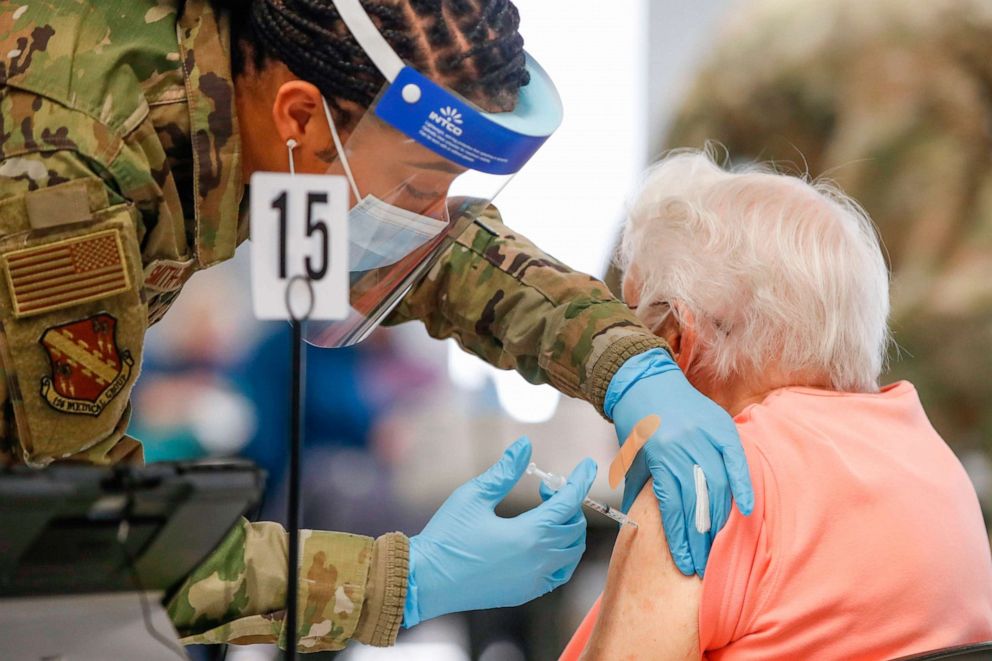
It will follow eight different permutations on combining and not combining the vaccines as well as different intervals between the vaccinations. For example, the Oxford/AstraZeneca vaccine for the first dose, followed by the Pfizer/BioNTech vaccine for the second, at 28 days apart or at 12 weeks apart and vice versa.
Van Tam said that if combining vaccines is shown to be possible, it would have a positive impact on the global vaccine rollout.
“Given the inevitable challenges of immunizing large numbers of the population against COVID-19 and potential global supply constraints, there are definite advantages to having data that could support a more flexible immunization program, if needed and if approved by the medicines regulator," Van Tam said.