Fact-check: No link between COVID-19 vaccines and those who die after receiving them
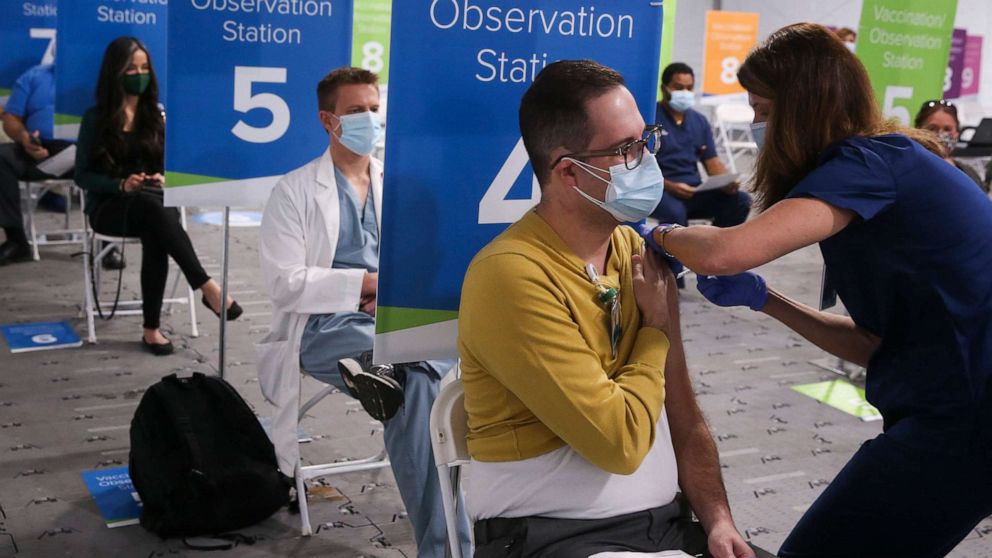
When a Florida doctor died just weeks after receiving a coronavirus vaccine, his story whipped around the internet and spurred fears that the COVID-19 vaccine might have had something to do with his death. But scientists warn that these isolated cases, while tragic, do not mean the vaccines are to blame.
“These vaccines have had incredible safety profiles in the trials and post-authorization. So far, there has been nothing to confirm these awful events," said Dr. John Brownstein, an epidemiologist at Boston Children's Hospital and an ABC News contributor.
In fact, an average of 8,000 people die each day in the United States. Some of them may have just received a coronavirus vaccine.
“We have to be very careful about causality," Brownstein said. "There are going to be spurious relationships, especially as the vaccine is targeting elderly or those with chronic conditions. Just because these events happen in proximity to the vaccine does not mean the vaccine caused these events."
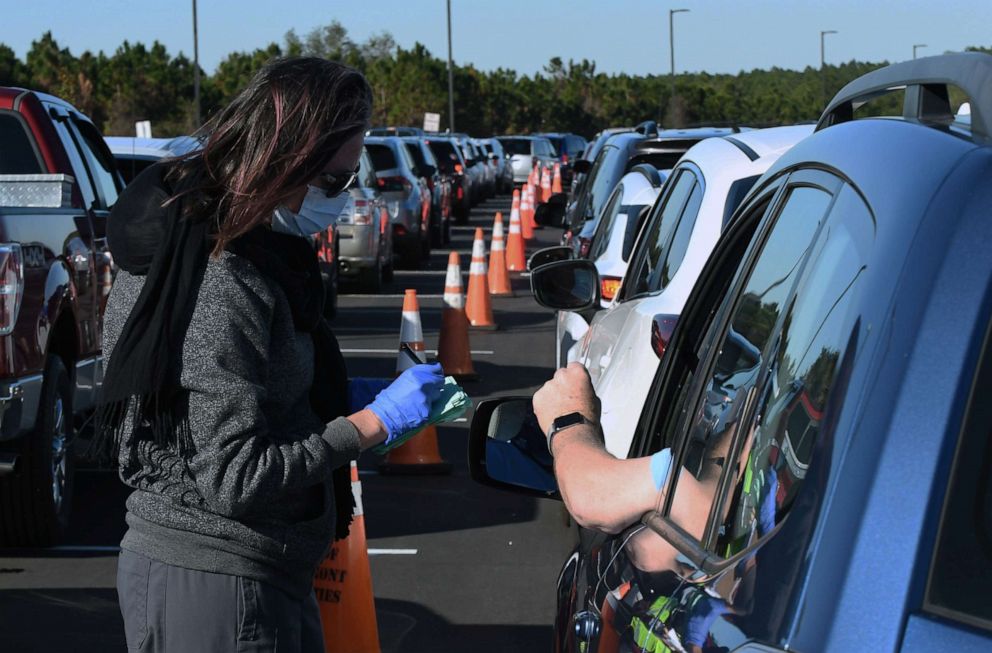
"Nursing home centers and hospices are of particular concern, because they are homes to incredibly frail populations," Brownstein pointed out, "and you have to look at the background rate of these events within those populations.”
Scientists say it's human nature to draw a connection between events -- especially when they happen close together -- but it doesn't mean one caused the other.
“These medical events occur every single day, including unexplained illnesses," said Dr. William Schaffner, professor of medicine in the Division of Infectious Diseases at Vanderbilt University Medical Center. "The question really is, do they occur at a greater rate in the vaccinated population than they do in the general population?”
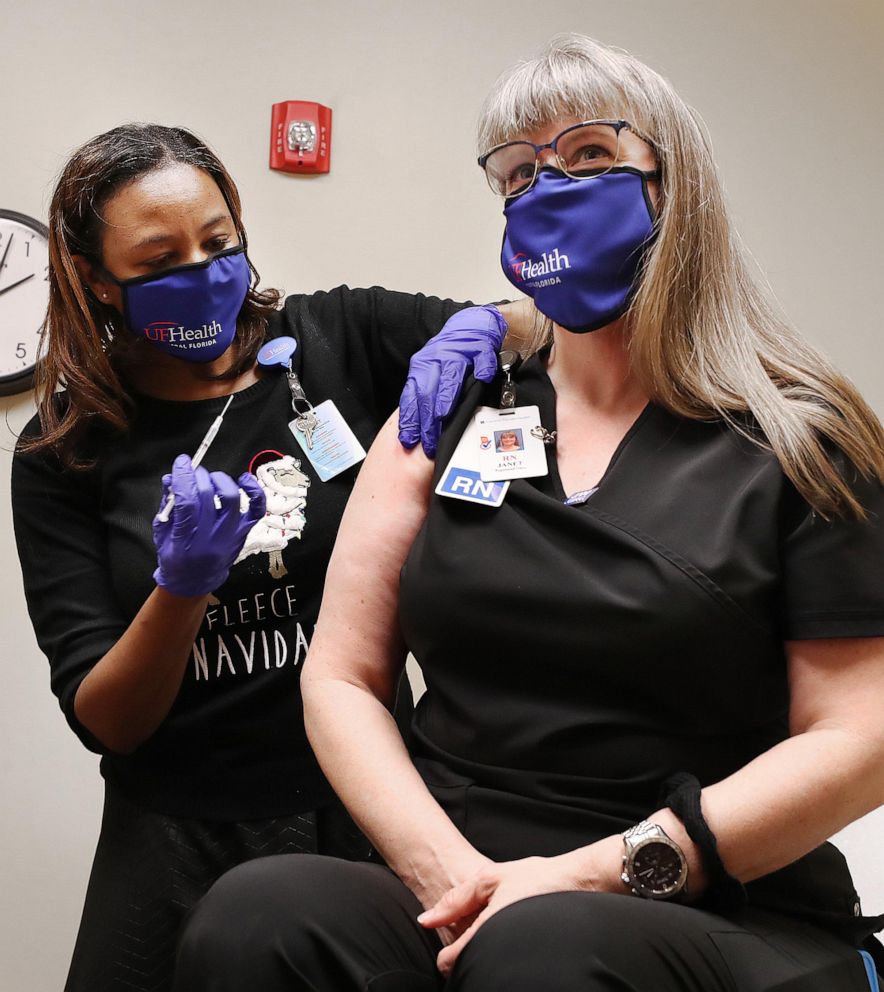
Every time someone gets sick or dies shortly after getting a vaccine, government agencies investigate to ensure there's no link.
“The CDC, FDA, CMS and the Department of Defense are all collaborating on a series of surveillance activities for medical events that occur after vaccination," Schaffner said. "They are looking for these events, gathering and investigating them in a very systematic fashion."
"These events are taken very seriously," Schaffner said, adding that authorities conduct autopsies and also hunt for patterns, to ensure there's no association.
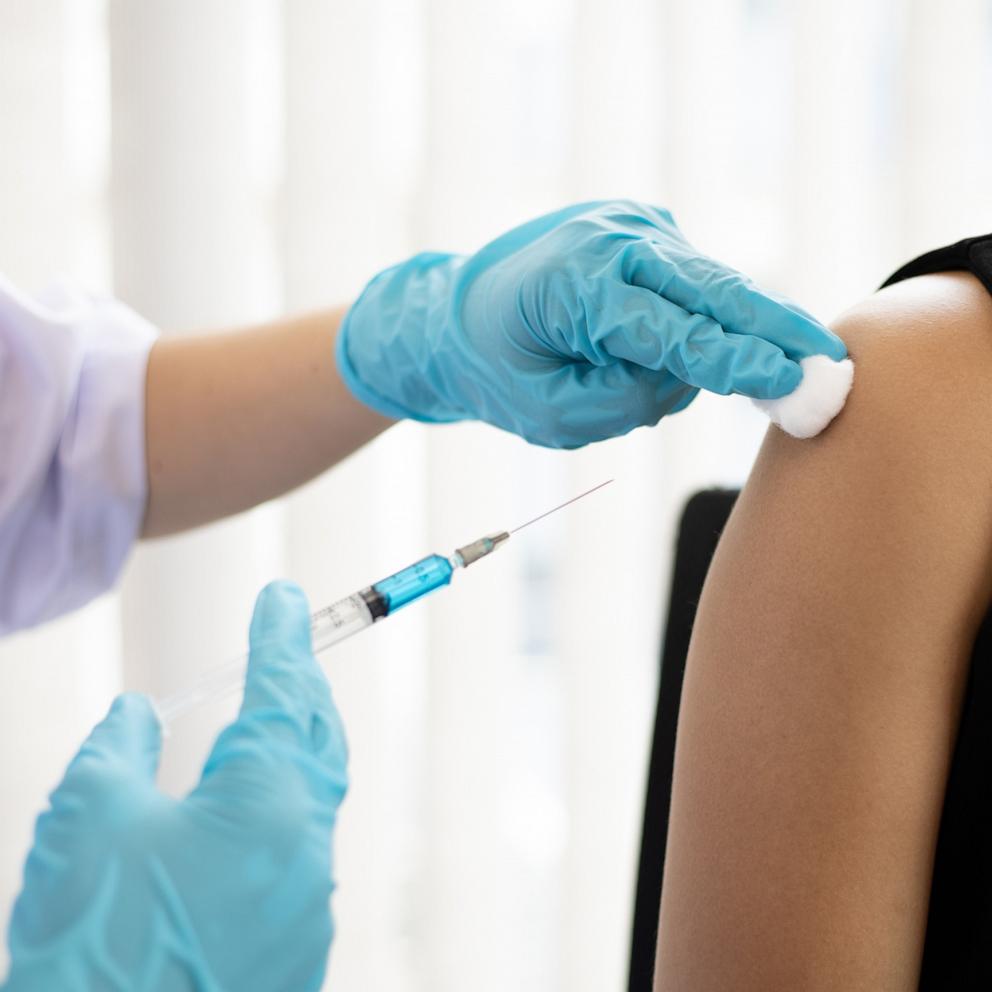
So far, more than 26 million people in the United States have received a dose of the vaccine for COVID-19. The CDC estimates that out of every 1 million people, two or three who receive the Moderna vaccine and around 11 who receive the Pfizer vaccine may suffer a severe allergic reaction. Some people experience side effects like fever, fatigue and a sore arm. But so far, the CDC hasn't identified a single case in which the vaccine caused a person's death.
Schaffner said that though these isolated deaths shortly after vaccination sound scary, we should all try to resist the temptation of assuming these events are related.
"We all know that the rooster crows before the dawn, but we don’t think the rooster makes the sun come up, simply because they are related in time," he said.
Dr. Stephanie Widmer is an emergency medicine physician and medical toxicology fellow in New York and a contributor to the ABC News Medical Unit.