Could this wearable UV tracker help protect your skin from the sun?

As we head into summer, a lot of us are starting to think about protecting our skin, but is applying sunscreen enough?
About 96,480 people are expected to be diagnosed and 7,230 will die of melanoma this year, according to the American Cancer Society.
Sun protection has gone high-tech as a number of wearables and apps designed to track exposure to damaging ultraviolet rays have come onto the market.
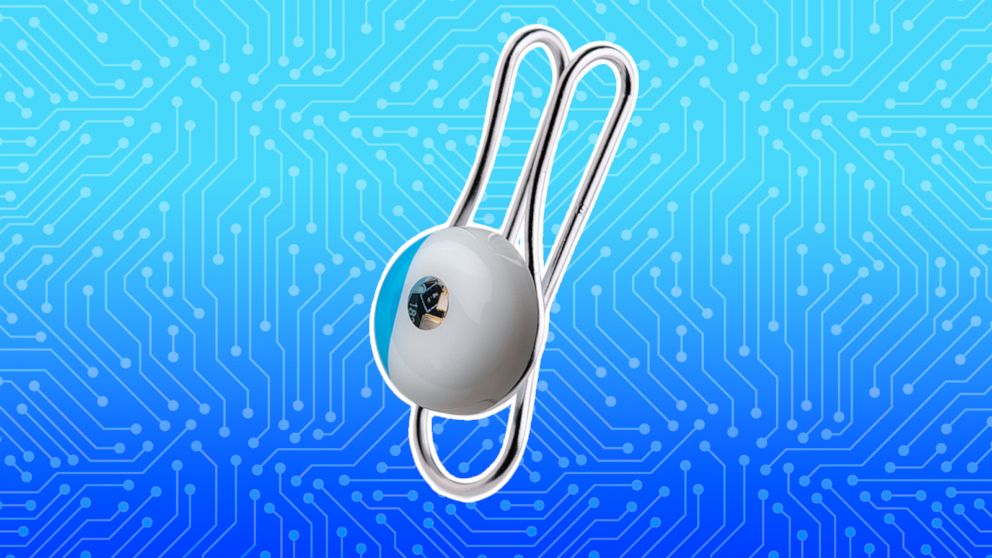
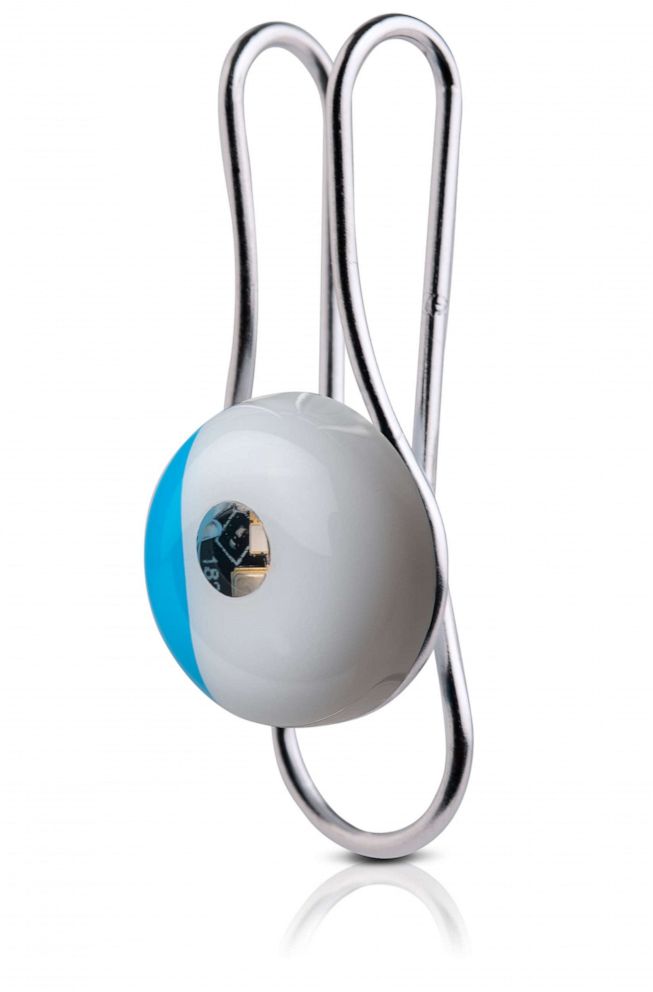
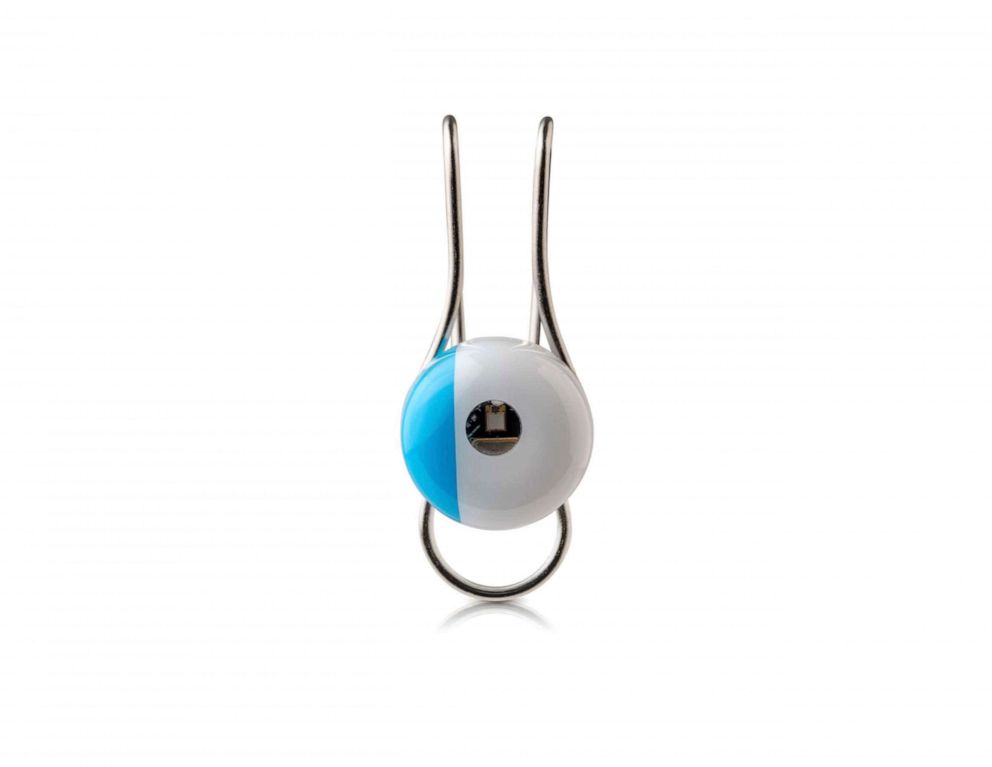
La Roche-Posay launched the first battery-free wearable sun safety sensor in the United States in January. The My Skin Track UV sensor is a little larger than a quarter and tracks your skin's UV exposure.



"GMA" spoke to leading dermatologists to see how the device works. Here's what they had to say.
The basics
The My Skin Track UV clip can attach to your shirt, necklace or bag and connects to a smartphone app to show you real-time UV, pollen and pollution levels. It is activated by the sun and waterproof.
The app will let you know when you are close to reaching your "UV max" for the day, which is a recommended maximum daily allowance of UV that varies by person and is based on your skin tone and the UV index.
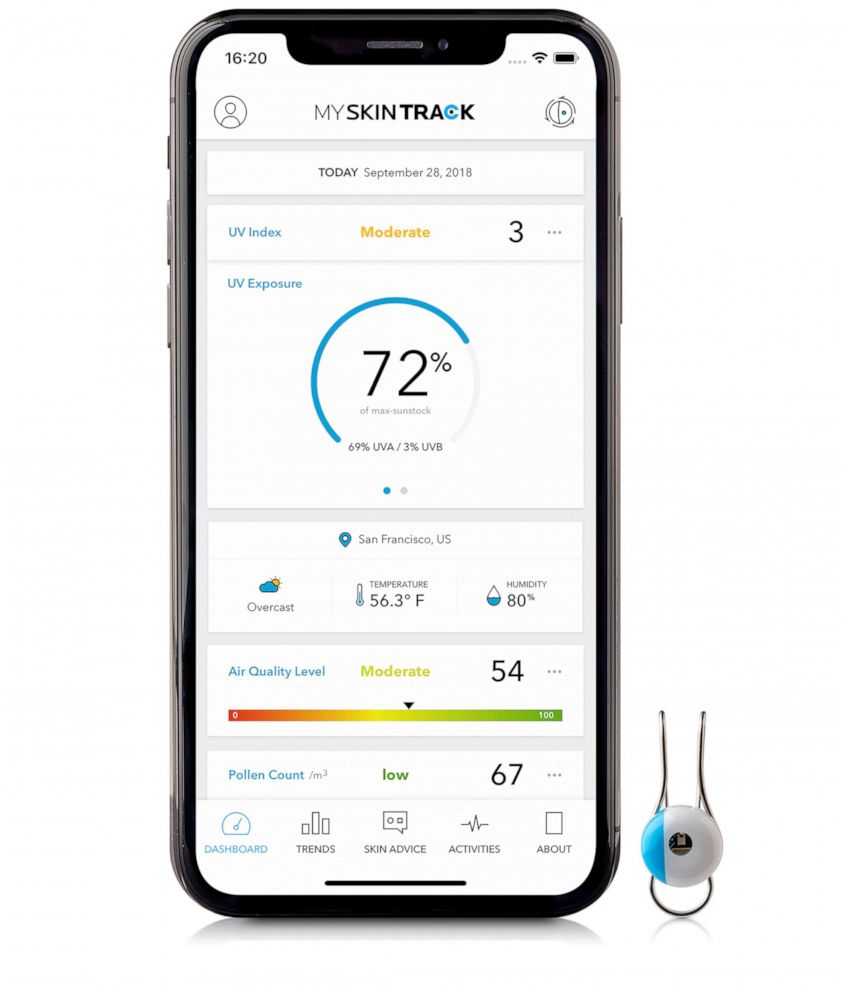
This device is for everyone and it adapts to different skin types, tones and concerns.
While the device itself won't protect your skin, the company calls it a "problem-solving technology" designed to help make "it easier for people to make smart, sun-safe choices" with the information it provides.
Does it work?
Dermatologist Dr. Whitney Bowe tried the device for herself.
"The My Skin Track UV was really eye opening, even for me," Bowe told "Good Morning America." "Protecting our skin from UV rays is really paramount but a lot of people really have a false sense of security when it’s a cold cloudy day."
Bowe used the device for a week this past winter. During an hour-long run outdoors, she said she had already gotten half of her daily UV exposure allowance, according to the device.
"UVA [rays] actually penetrate through clouds and window glass," Bowe said.
UVA rays age skin cells and damage their DNA. They're linked to long-term skin damage like wrinkles but are also thought to play a role in the development of skin cancer, particularly in tanning beds, according to the American Cancer Society. UVB rays are the rays believed to cause most skin cancers, as they are stronger in energy and can directly damage DNA in skin cells.
When to use it
You don’t have to wear the device every day -- although that might be best -- but a critical time to wear it is when the weather is changing, Bowe said.
Knowing your UV max is important because once you reach it, your skin becomes more vulnerable to skin cancer and aging, Bowe said.
"Having the awareness," she said, "and being able to get real-time feedback regarding how much sun exposure you’re getting is really helpful when it comes to making lifestyle changes and changing your daily habits."