Woman Dies After Bone Marrow Transplant Donors Back Out
Nov. 12, 2010— -- Brian Lindenberg of Ridge, N.Y. is coping with the pain of losing his 37-year-old wife, Penny, to leukemia last month.
But he's also coping with the pain of believing her death may have been prevented if only potential bone marrow donors didn't change their minds.
"It was terrible in the end, knowing that help was out there. This didn't have to happen. Someone didn't do their part and follow through," Lindenberg said in an interview with WABC-TV.
He said they were ecstatic when they first got the news that there was a bone marrow match. It happened four different times -- but each time, their hopes were dashed when anonymous donors backed out on offering their marrow for transplant.
"To walk away? To close the door and forget about it?" family friend Chris Herrick said.
As tragic as Penny Lindenberg's story is, those who are closely involved with bone marrow transplants say many potential donors eventually change their minds about it.
"The national average is that 47 percent of people on donor registries say no when they are asked to donate," said Katharina Harf, executive vice president in the U.S. of the German-based bone marrow organization DKMS.
"Many times, people sign up based on emotional appeal, and it turns out to be a lot for people, and then they don't want to do it," said Dr. David Cronin, associate professor and director of adult and pediatric liver transplantation at the Medical College of Wisconsin.
There are many reasons people may decide against donation after they register.
"One reason is their health changes and donating could be detrimental to them or to the recipient," said Linda Abress, vice president of donor and cord blood management services at the National Marrow Donor Program. "Another reason is they are temporarily unavailable – it could be a short-term illness, pregnancy or certain life circumstances that make them unable to go through the process."
Abress said other people move and can't be located. Or they may simply just decide they're no longer interested in donating.
Many people do not know what's involved in the donation process.
"There's a big misconception that bone marrow donation is painful," Harf said. "One of the other big misconceptions is that the cells are collected from the spine."
The early stages of the process include swabbing the inside of the cheek to check for HLA (human leukocyte antigen) type, which is an indicator of compatibility. Potential donors also must go for a complete physical and blood test. They also must sign multiple consent forms at different stages of the process.
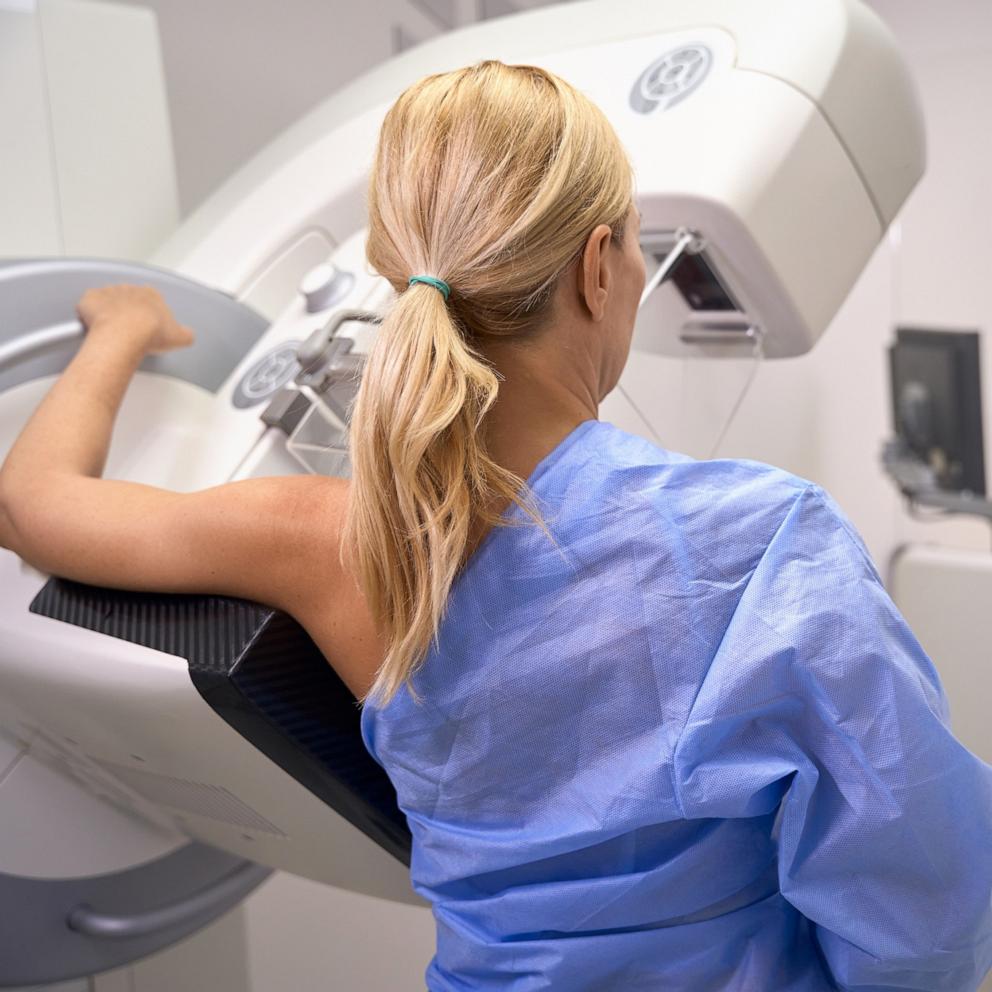
People can donate bone marrow in two different ways. One is by undergoing a procedure similar to donating plasma. The donor gets an injection of a drug to increase the number of blood-forming cells and then donates blood. The marrow cells are then separated from the blood.
The other method of collecting bone marrow is an outpatient surgical procedure that involves inserting a needle into the pelvic bones and extracting marrow cells.
While there may be some physical side effects from both procedures, experts say they disappear in a matter of days.
Donors Have a Moral Obligation, But Not a Legal One
There may also be psychological side effects as well.
"Donors want to do the right thing. If the recipient has a bad outcome, they may feel guilty," said Cronin. "The closer the relationship, I would imagine the psychological impact would be greater."