Young adult vaccination rate lags behind other age groups, CDC finds
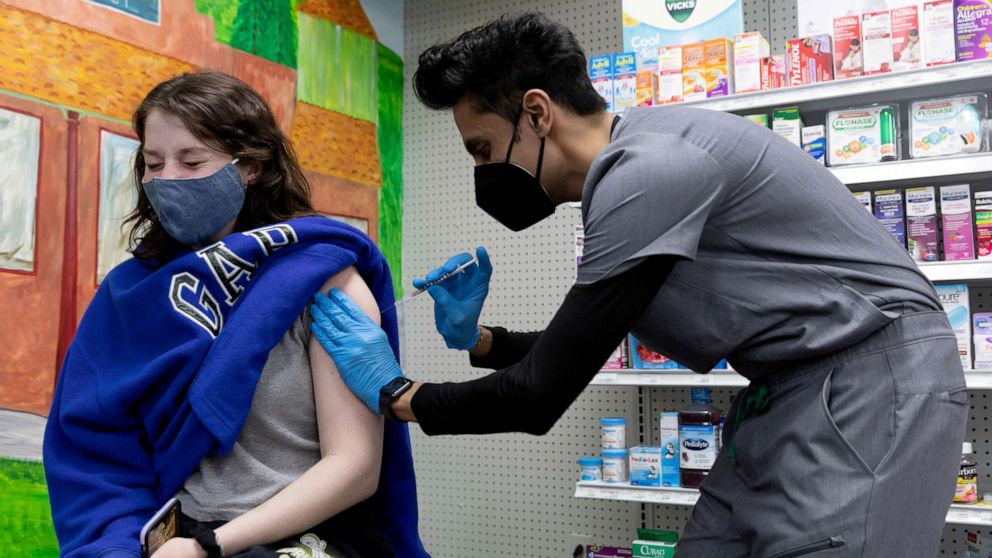
The Centers for Disease Control and Prevention is pushing younger Americans to get their coronavirus vaccines, as data shows they are significantly lagging behind other age groups.
As of May 22, only 38% of Americans between the ages 18 to 29 received at least one COVID-19 vaccine dose, according to a report released by the agency Monday. By comparison, 57% of all Americans over 18 and 80% of all U.S. senior citizens had at least one shot during that period, the report said.
"Based on the current rate of weekly initiation (as of May 22), younger persons will not reach the same levels of coverage as older persons by the end of August," the report said.
As of Monday, 177 million Americans, roughly 53% of the entire U.S. population has received at least one vaccine dose, the CDC said.
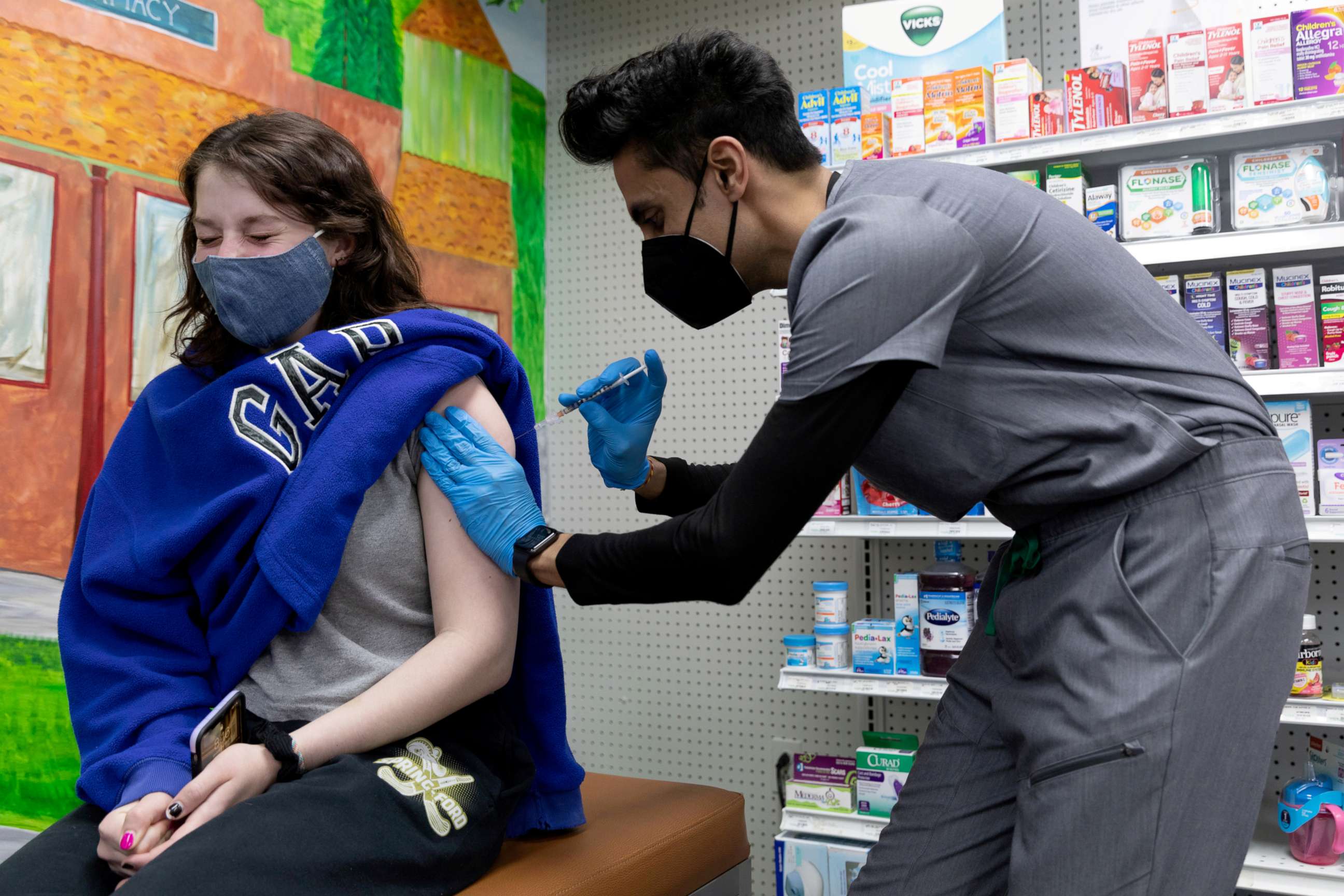
A CDC survey of Americans between the ages of 18 and 39 found that 23% of respondents said they were unsure about getting a vaccine but would probably get one. About a quarter of respondents said they would definitely not get the vaccine, according to the CDC.
The report found that respondents had different reasons behind their decisions.
For those younger Americans who didn't receive a shot but were probably going to get it done in the future, the top concerns were about potential side effects, the report said. Other reasons for not getting their shot included waiting to see if they were safe, and thinking others needed a vaccine more than they did, according to the survey.
Respondents who said they weren't going to get the vaccine also cited side effects as a concern along with a lack of trust in the vaccines or a belief that they don’t need a vaccine, according to the report.
The survey polled roughly 2,700 people between March and May, according to the CDC.
The agency stressed that the key to increasing vaccination rates among younger Americans is education, as the survey showed that two-thirds of respondents said they didn’t have adequate information about vaccine safety.
"Persons who were unsure or probably going to get vaccinated reported that they would be motivated to get vaccinated if they had more information indicating that the vaccines were safe (39.0%), were effective (28.8%), would prevent them from spreading COVID-19 to family and friends (27.6%), and would allow them to resume social activities (20.9%)," the report said.
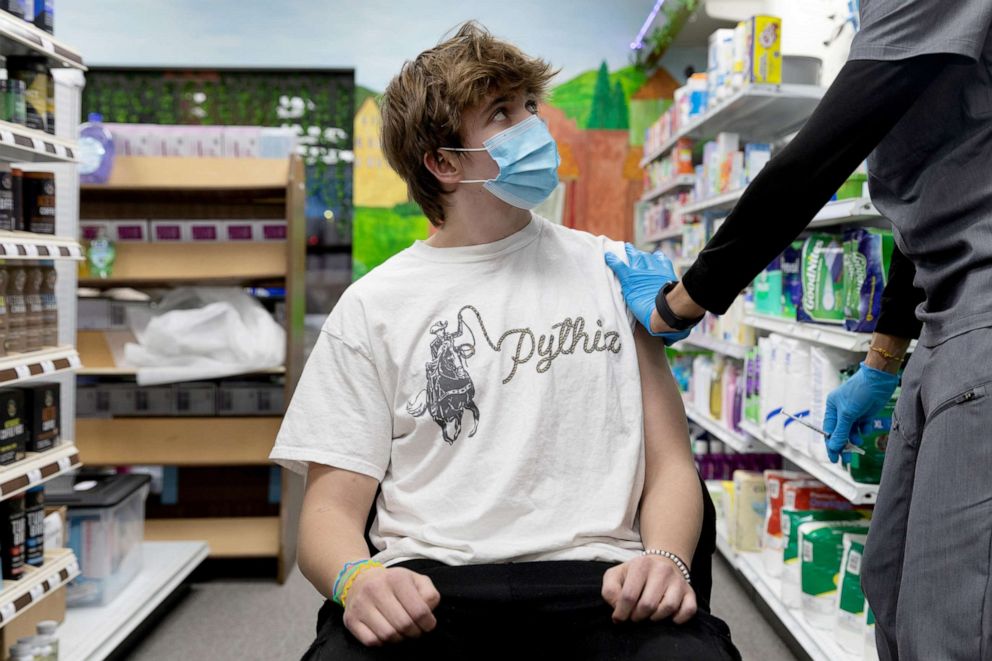
The most helpful approach would be to deliver accurate information about safety and effectiveness from trusted sources, such as health authorities, primary care doctors and family and friends, the CDC said.
Several studies have shown that COVID-19 vaccines have reduced deaths, severe symptoms and hospitalizations caused by the virus, and early research shows they are effective against several variants.
Health experts have noted that the vaccines are already showing their effectiveness in real-time across the country as more people receive their doses.
The seven-day average for new cases has dropped from 64,622 on April 19, when vaccinations were approved for all adults throughout the country, to 11,432 on June 17, CDC data showed. The seven-day average for new daily deaths reported declined from 641 to 284 during the same period, according to the CDC.
Anyone who needs help scheduling a free vaccine appointment can log onto vaccines.gov.