I tried 'unschooling' my kids and here's what I learned

If someone had asked me about my thoughts on "unschooling" my kids just a few short weeks ago, I likely would have rolled my eyes. Though I was vaguely aware of the term, it seemed so out of the "norm" that it surely couldn't be useful for my kids.
And then the "norm" came to a screeching halt as the novel coronavirus spread across the nation -- I started working from home. The kids' school closed and distance learning began. We sheltered in place.
What is unschooling
The basic premise of unschooling is that it's a form of homeschooling that is child-led. The child's natural interests inform the parents -- their educational partner -- what to teach.
"It’s really this idea of a consent-based relationship between a child and what learning looks like for them," Akilah Richards, an author, speaker and the creator of Raising Free People, told "Good Morning America." "So it looks like different things for different families, but the basic premise of it is that we trust children and we trust learning."
Richards has been unschooling both her daughters for several years, despite them being academically successful in their traditional school.
Where to begin
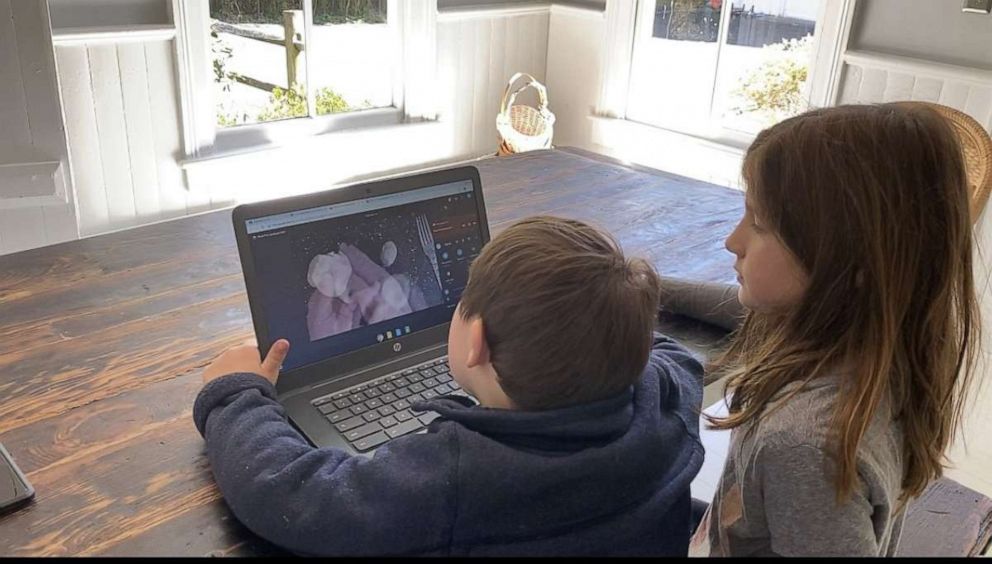
My kids still have obligations to their traditional school's distance learning programs, but the truth is, they don't need the 6.5 hours (3rd grader and kindergartner) or the 2.5 hours (preschooler) they are typically in school to do their work. And with my husband and I both working from home, I decided to dip my toe into unschooling. Disclosure: I am not an educator and I'm certainly no homeschooling expert.
Richards had used the example of a child who loves basketball as a place to start. "There's math in basketball, there's physics in basketball," she said.
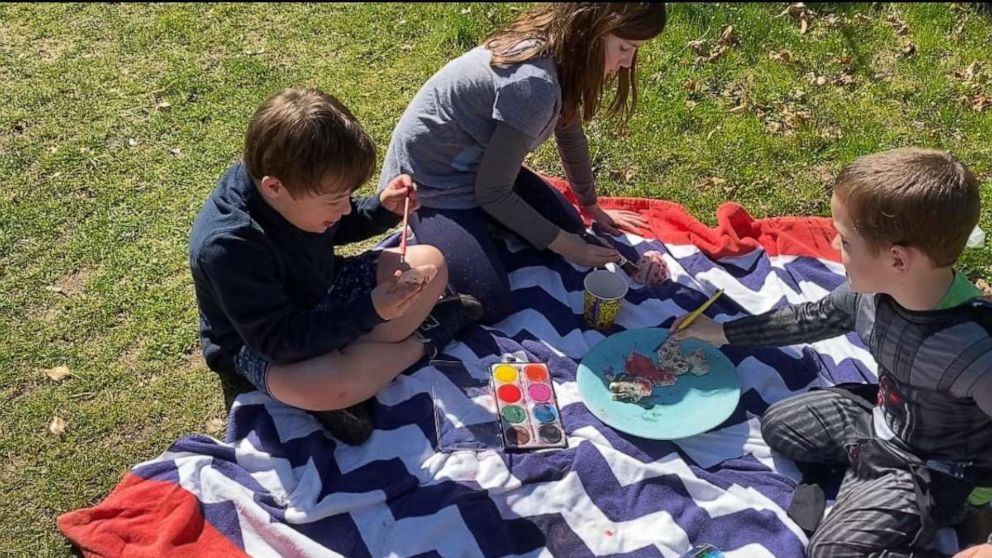
So with that in mind, I picked ladybugs as the central part of our unschooling and my kindergartner as the focus of my experiment (though the other two children happily participated in all our activities). Why ladybugs? He loves a show called "Ben and Holly's Little Kingdom" and is particularly fond of a ladybug called "Gaston." Seemed as good a place to start as any.
Our unschooling curriculum
I started by thinking about the basic things my kindergartner needs to work on. Counting, adding, fine motor skills and increasing time at non-preferred activities are top of the list. Could "Gaston" help?
Materials:
- Teachers Pay Teachers ladybug-themed adding and counting worksheets
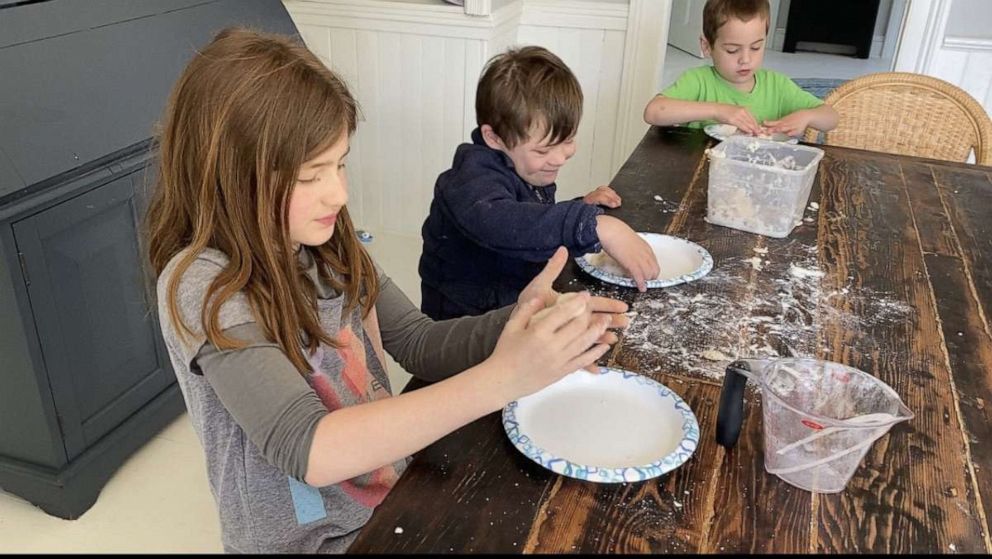
- a video art lesson of making salt dough and ladybug pinch pots (coincidentally the art lesson from his school's art teacher for the week)
- "The Grouchy Ladybug" by Eric Carle book
- a simple ladybug puzzle
- a labeling worksheet of the parts of a ladybug
- 1,500 mail-order lady bugs from Amazon to release in our yard.
We had everything but the actual ladybugs on hand. They cost $10.
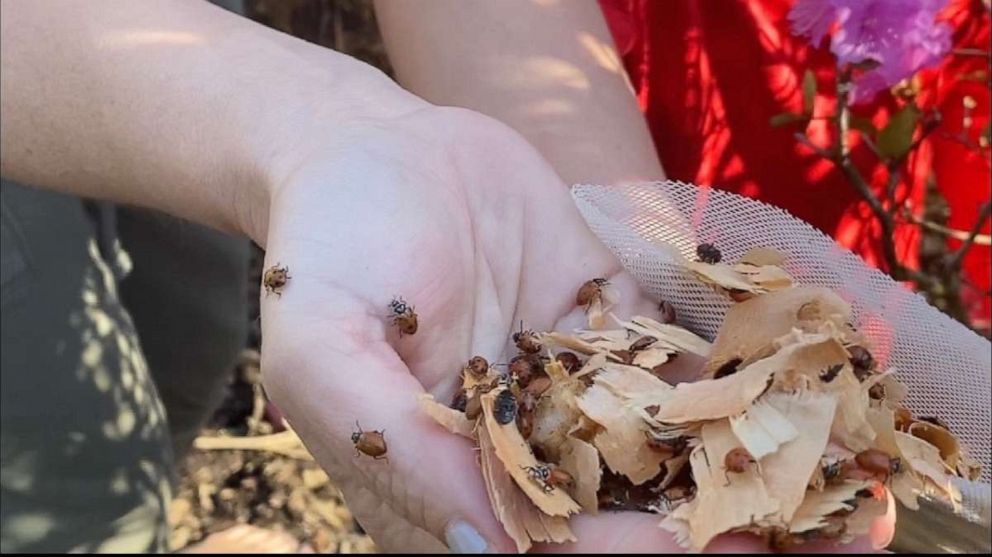
Over the course of two days, we practiced all the skills he needs to work on and learned a lot about ladybugs along the way. The highlight was the ladybug release in our yard. An unexpected highlight: the painting of the pinch pot ladybugs, something he does not normally enjoy.
The verdict
Unschooling was a lot of fun for everyone, myself included. We worked on the skills he needs to address and his siblings worked right alongside him. It was such a success that my 3rd grader got to pick her own unschooling topic for next week.
Will it take the place of traditional schooling in our family? No. But it gave me insight into a great way to work on skills while keeping the kids' interest and it didn't feel like work at all. In fact, it's something I can easily see implementing over school breaks and over the summer.
Best practices for unschooling in uncertain times
Richards gave "GMA" three tips:
1. Pay more attention to your child's mood and emotional space, especially when they are doing "learning time" activities. This can help you gauge potential disconnects in their learning practices and can help parents to connect with their children beyond curriculum.
2. Learn more about your child's interests and find small ways to show your interest. For example, if you have a child who loves gaming, play with them. Ask them what they enjoy about the game, tell them what you like and don't like (without being too preachy). Basically, use this time to connect with the human, not the "student" or "5th-grader" because many children crave real connection with their parents, and that can be hard to do during our standard work schedule. This is an opportunity to get to know the person behind the grades.
3. Remember that this pandemic isn't just visible to you. Your children hear the news when you watch or listen, they are getting messages from other people and they can sense your own anxiety. This is not something to feel bad or guilty about, but instead, something you can use to practice and discuss the vital life skills of discernment, fear management and overall emotional wellness. In other words, you will have plenty of time to figure out schooling at home, but never enough time to nurture the life skills that people, even those with the highest level of formal education, lack.