What to know about the protein craze, protein-packed products, according to a doctor

The protein craze has hit everything from social media recipes to snack food aisles at the grocery store, but with the influx of options -- which includes processed versions of popular foods marketed for mass appeal -- consumers should consider the full picture of dietary health.
ABC News chief medical correspondent and cardiologist Dr. Tara Narula weighed in on the protein trend with nutrition insights to help consumers make informed decisions about dietary choices amid an influx of protein-laden products.
There are three major factors driving the trend toward protein right now, according to Narula.
First, she said that with the rise of GLP-1 medications, which curb appetites, "a lot of people are losing weight very fast, and when you lose weight quickly, you can also lose lean muscle mass -- so there is a real push to look for ways to get more protein in your diet."
Second, she said the new federal dietary guidelines from Health and Human Services Secretary Robert F. Kennedy Jr. "bumped up the protein recommendations from 0.8 grams per kilogram per day of body weight to 1.2 to 1.6 grams per kilogram, which is a big leap up."
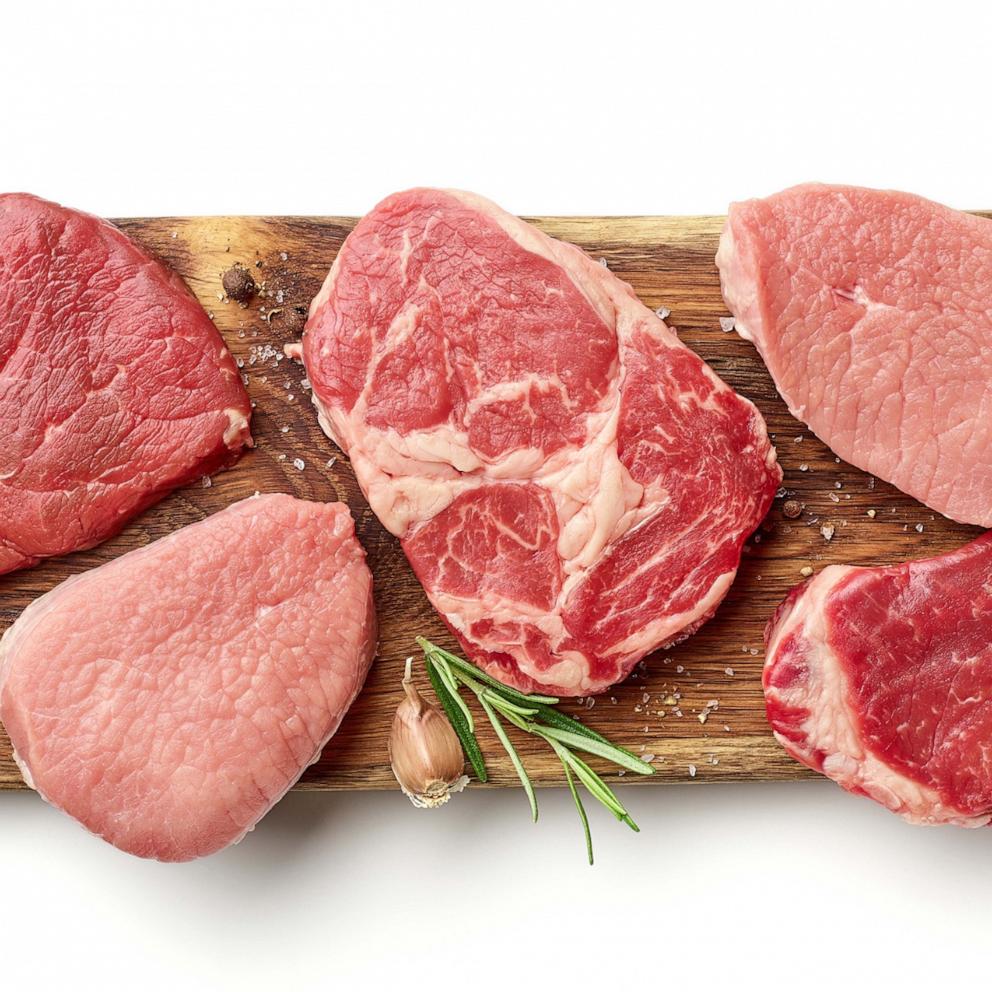
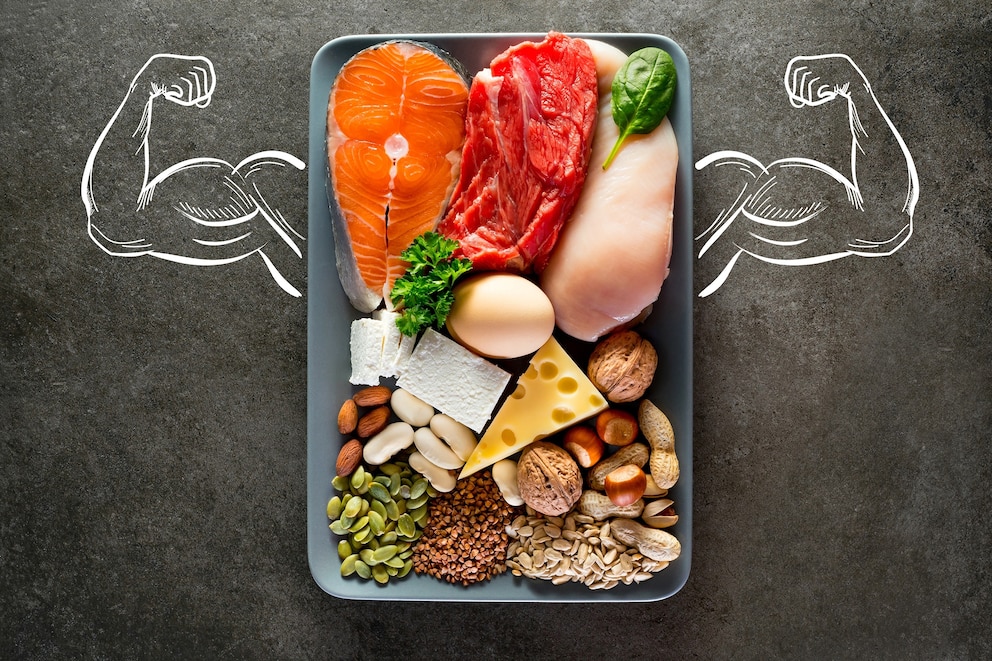
The guidelines suggest prioritizing "high-quality, nutrient-dense protein from both animal and plant sources" such as lean and low-fat meats, poultry, eggs, seafood, nuts, seeds and vegetables.
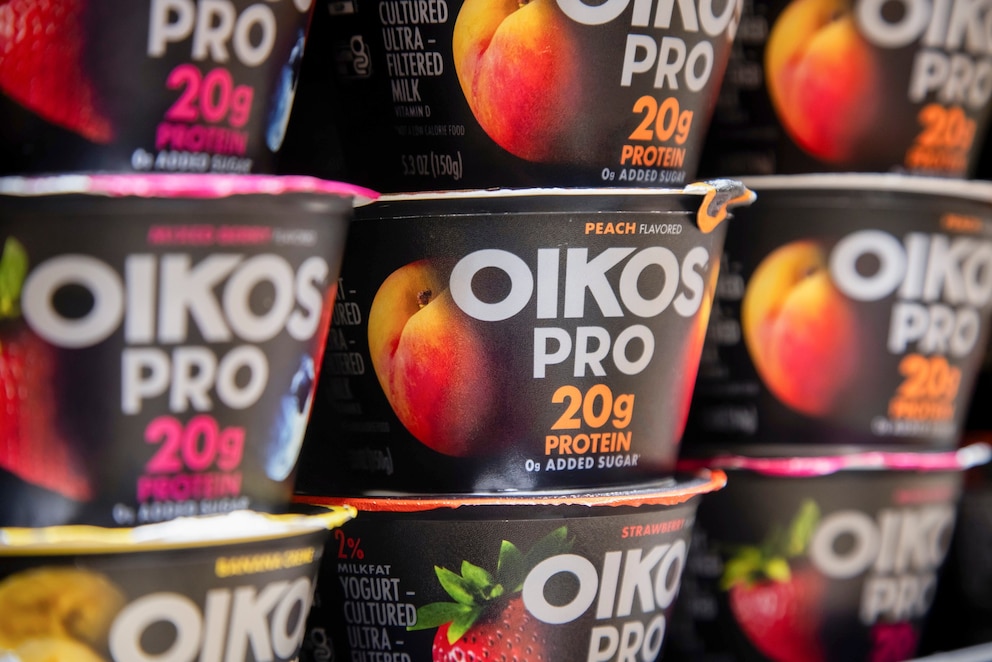
"And then third, we just see this massive social media marketing push. It's trending everywhere on TikTok," Narula said.
Starbucks has added protein lattes and cold foams to menus, Chipotle has created high protein "snack cups," and packaged goods brand Kraft has launched pea protein-enriched boxed mac and cheese, all to capitalize on the consumer shift in protein priorities.
Narula noted that mass-produced foods or drinks that boast a boost in protein do not necessarily equate to "healthier" options.
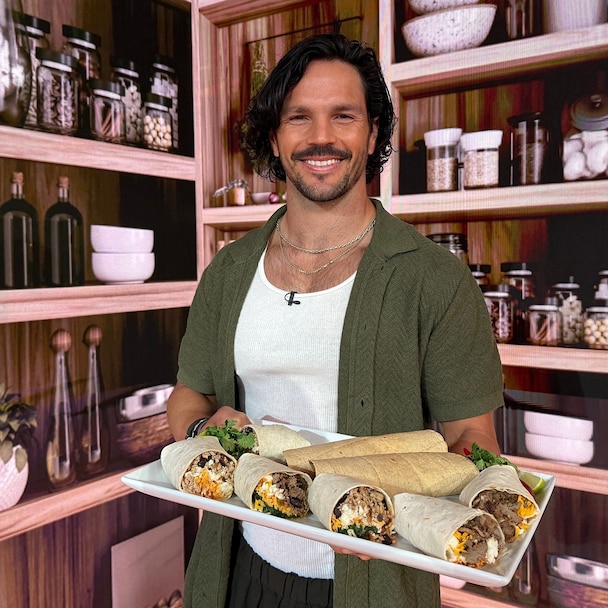
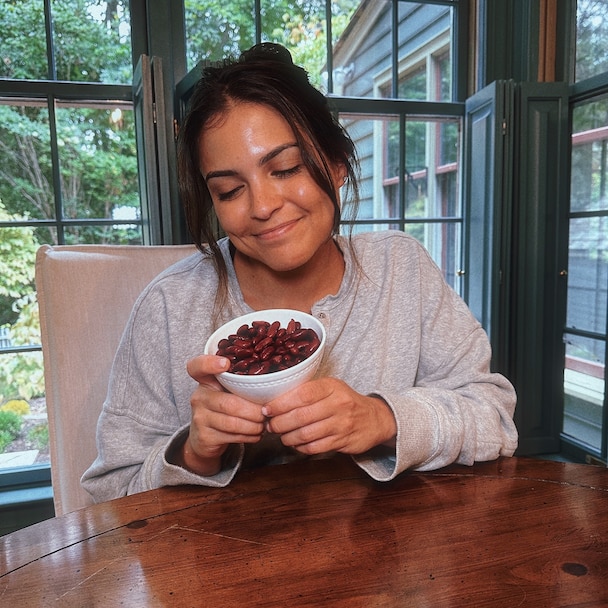
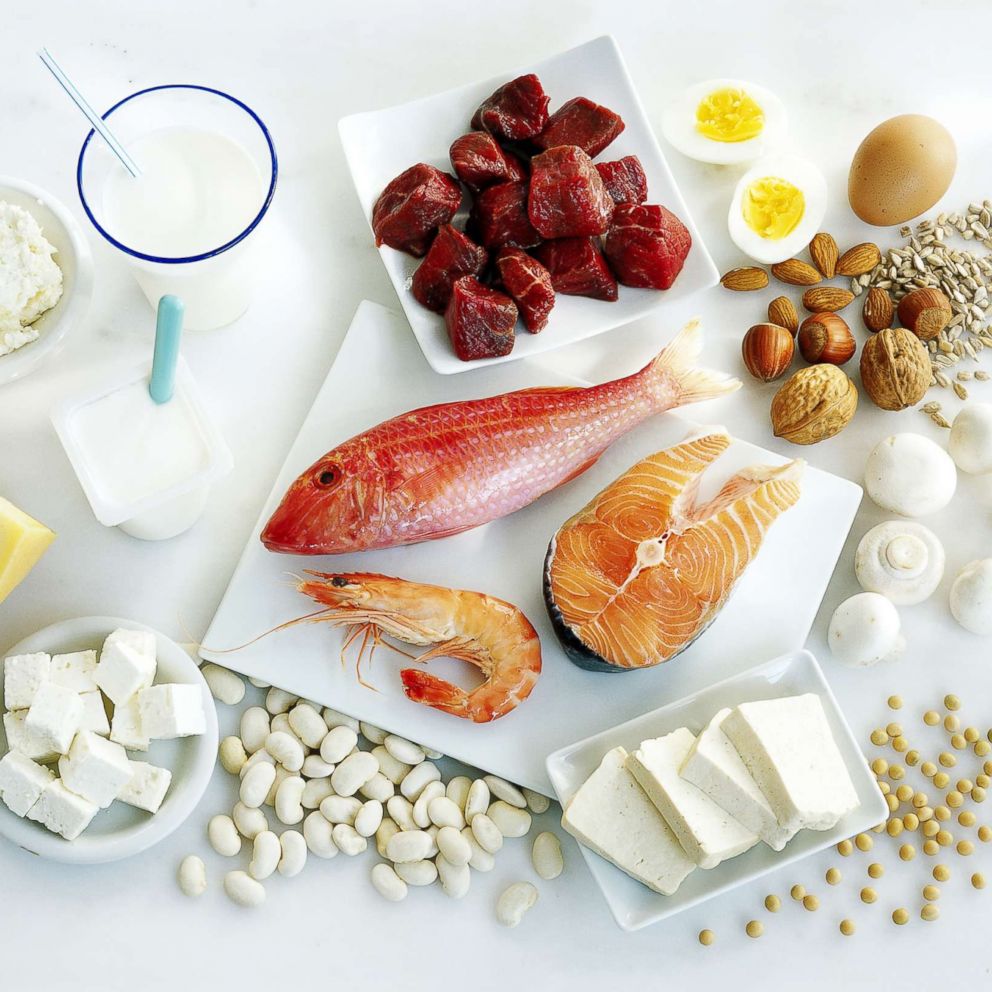
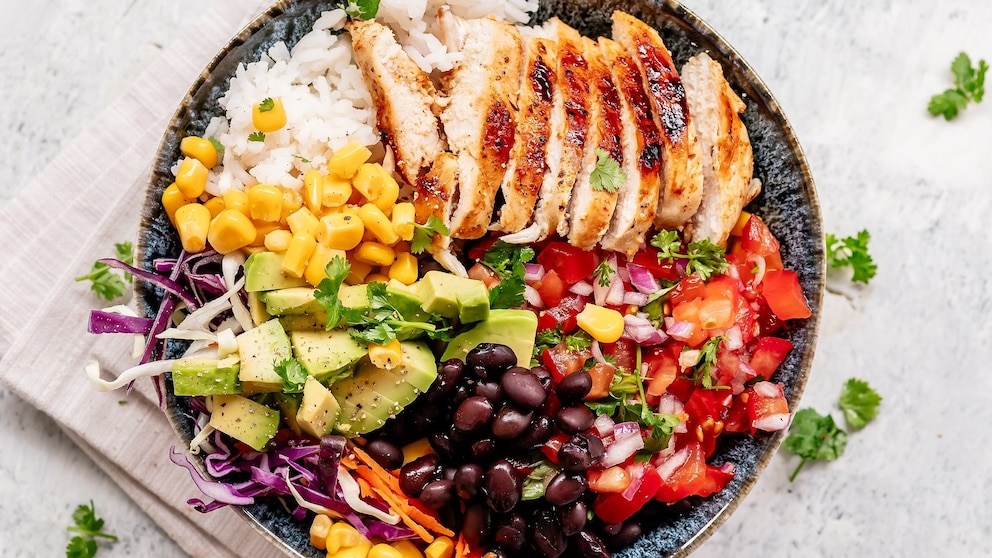
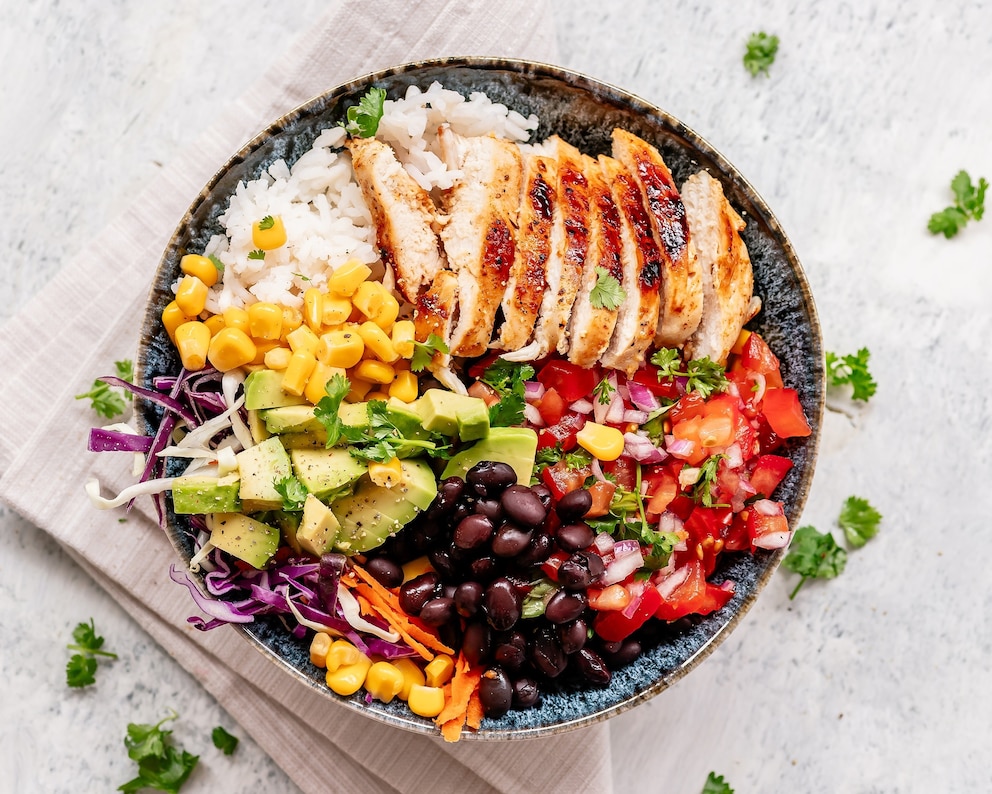
"Whole foods [are] always going to be the push. So, you want to try to get your protein from tofu, beans, legumes, nuts, seeds, lean chicken and turkey, fish," she said. "Not so much from [processed or packaged goods]."
She continued, "You have to be wary, because obviously, they're ultra processed -- they may have added sugars, additives, all kinds of other things you don't want to be eating. And you're missing out on the fiber, vitamins, minerals, all the other things that come from whole, real foods."
Still, Narula maintained that "protein is really important" overall as part of a healthy and balanced diet and lifestyle.
"It's important for enzymes, our muscle function, our hormones, it's important to get enough. And probably most of us don't get enough," she said.
Based on the new federal dietary guidelines, the U.S. Department of Agriculture recommends 80 to 110 grams of protein per day for men and 70 to 90 grams for women, about double the previously recommended amounts.
"People who have to be a little bit concerned about protein [include] those with chronic kidney disease. It can increase the risk of kidney problems if you have underlying problems with your kidneys -- also, dehydration or some digestive or gastrointestinal distress," Narula said. "But there is no real upper ceiling that we have for for protein amount."