Weddings in 2021? What to know so you and guests can stay safe
With COVID-19 vaccines available for everyone over 16 across the country, it’s brought a sense of optimism to go back to normal times.
And for wedding planners, the vaccines have given many of their clients a sense of hope that they can celebrate their big day with their family and friends by their side.
“I am almost completely booked for 2022, which is wild,” said Victoria Holland, founder and CEO of Victoria Ann Events in Los Angeles. “I think with the hope of the [COVID-19] vaccine and just the way the state of the country was, I really believe that was just an influx of people feeling more comfortable to start planning again.”
Event planner Neha Shah of Blue Lotus Insights in Orange County, California, is also seeing an uptick in clients booking weddings for 2022.
“The inquiry load has gone up astronomically, which is nice, but it’s also overwhelming at times,” Shah said. “So many people are trying to get married in 2022, we also have a large inquiry load for the fall.”
While many couples are optimistic about where things are headed and have claimed their wedding dates for later this year or next, experts are saying that the COVID-19 vaccine does not put us in the clear of returning back to normal life and are still warning about avoiding crowded settings to continue preventing the spread of COVID-19.
“At this point, the CDC has been very clear that getting vaccinated is not a green light to rip off the masks and get into densely crowded environments,” ABC News’ chief medical correspondent Dr. Jennifer Ashton said. “A lot of times, psychologically, people get that dose into their arm and they so badly want to go back to you know, the normal kinds of behaviors. And in that initial period of several days after that dose, they can become infected with COVID-19.”
“There’s a time period that someone needs to literally wait after their full dose of the vaccine, either a single dose or their second dose, until they have what’s considered to be full immune protection,” said Ashton, who added that there’s still questions surrounding the efficacy of the vaccine against COVID-19 variants. “It is really, really important that when people are vaccinated two weeks after their final dose, that they proceed with caution. Sure we can do more than if we weren’t vaccinated, but we still have to be careful, especially in densely populated settings like weddings.”
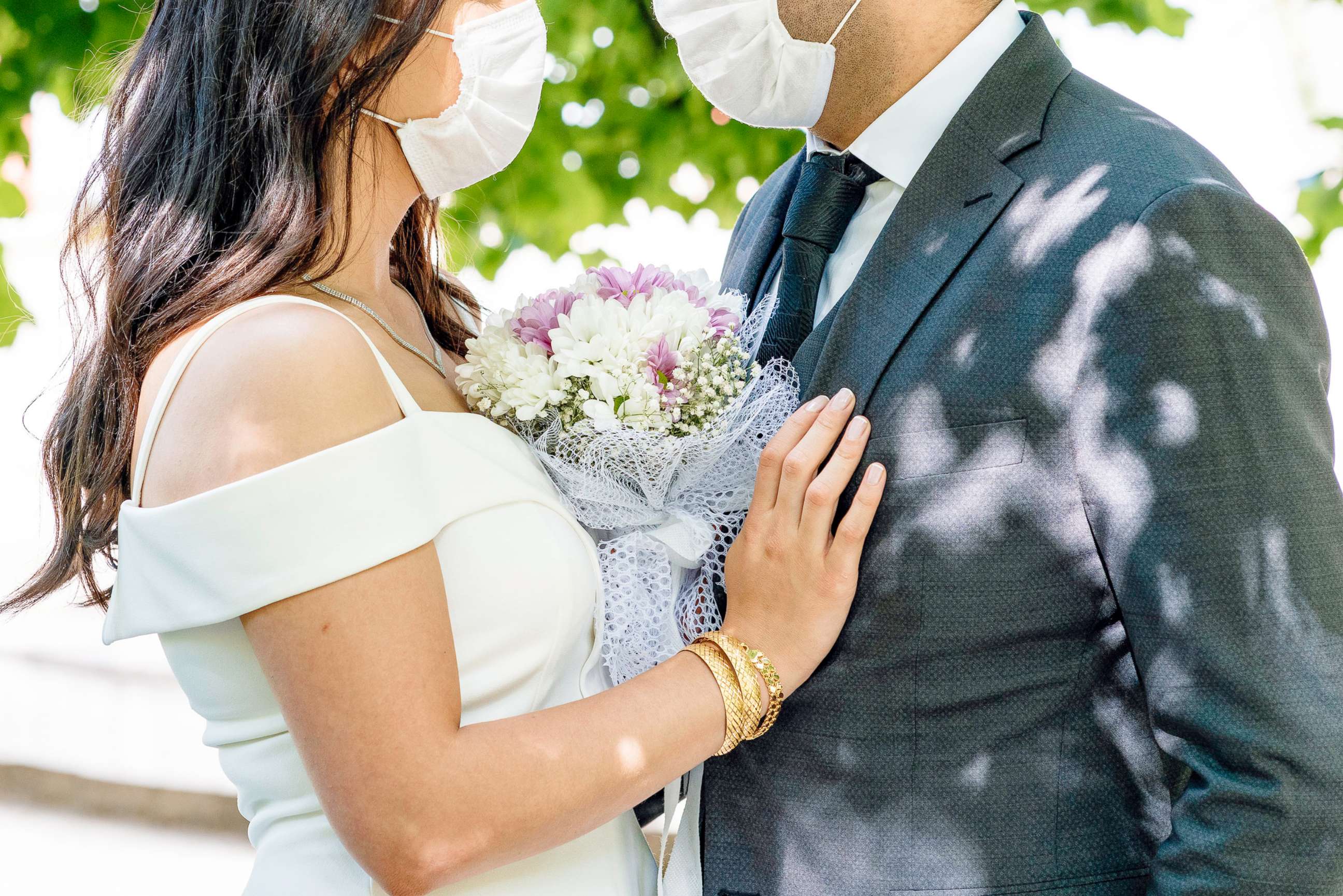
For couples planning weddings for later this year or for 2022, Ashton provided a list of advice to stay safe on their special day with friends and family. Read on for some advice below.
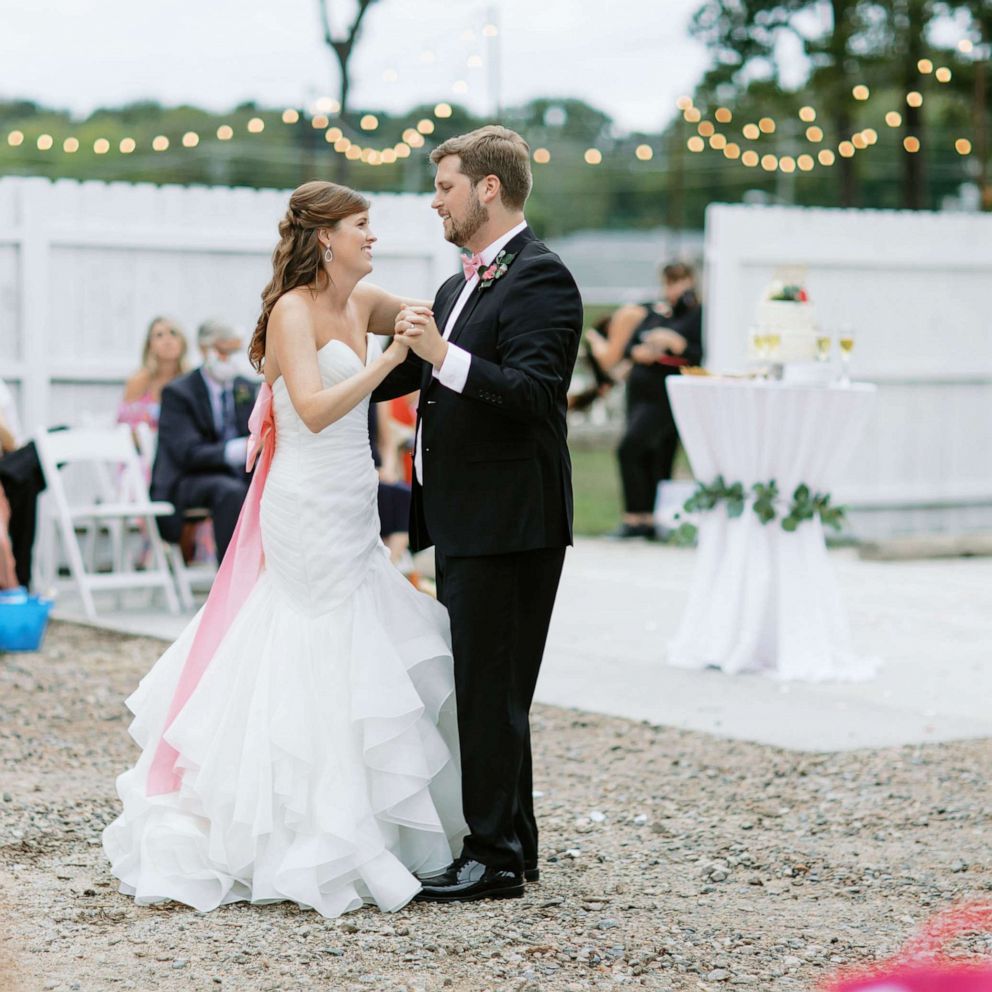
Consider collecting proof of vaccination from guests
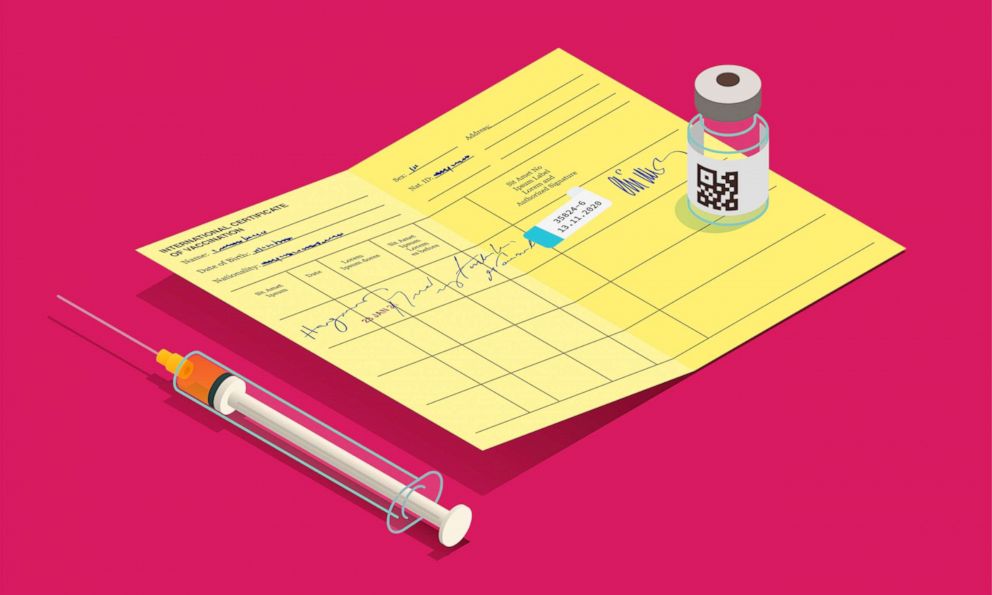
As more people get vaccinated, Ashton said it won’t be uncommon to see event planners or hosts ask to see proof of vaccination from guests.
“We may see certain hosts say, you know, we need to see your proof of vaccination or we need to see a negative test result,” she said. “We’re in unchartered waters here. So, I think you’re gonna see a lot of people take matters into their own hands.”
While many venues aren’t requiring a list of guests who have been vaccinated for upcoming weddings, Holland said she’s already started collecting that information for the events she has lined up.
“I think your job as a planner is to always be one step ahead of the game,” Holland said. “We’ve created a whole database for their [clients’] weddings with email addresses that we asked for in their RSVPs, so that it’s easy for us to collect from everybody their proof of vaccination or their proof of a negative COVID test, so that we can have the guest name, picture of their vaccine card or the PDF of their negative COVID test, so that we can provide those to the venue.”
Tell guests to get tested prior to the wedding
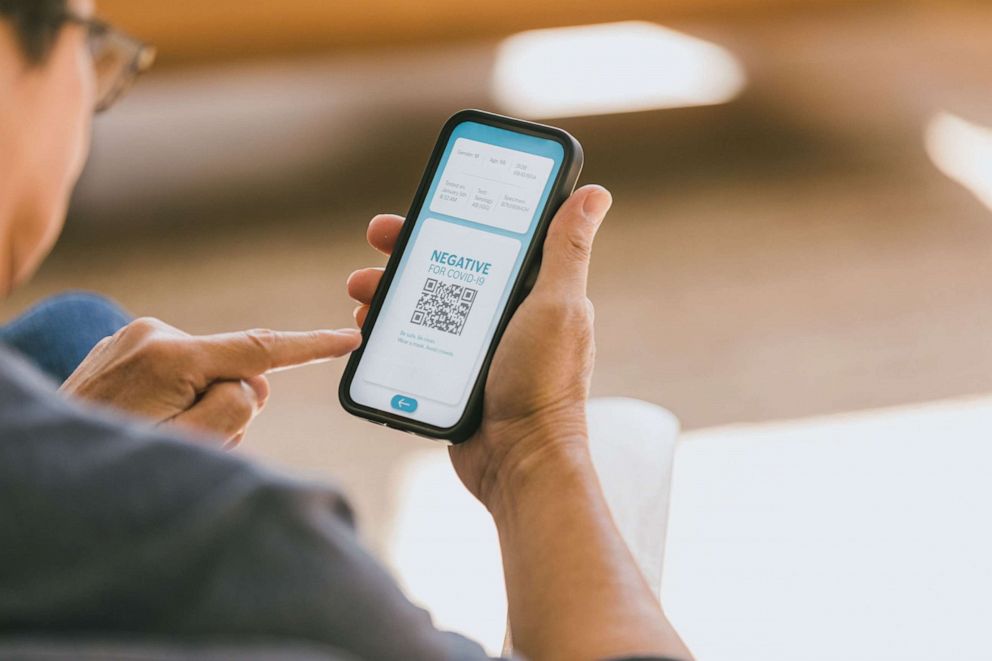
Similar to seeing proof of vaccinations, Ashton said it wouldn’t hurt to also know if guests have tested negative.
“They [hosts] should absolutely provide their guests with some information, like here are some locations where you can get a rapid test the day before the event,” Ashton said. “It’s of course nice and considerate if people can slightly quarantine up to two weeks before an event if they haven’t been vaccinated.”
A year ago, testing was very new and some that were planning weddings found it awkward to ask guests to get tested before attending their event. But according to Shah, testing has felt more normal these days.
“We have some [weddings] coming up that they’re requiring a negative COVID test from the vendors as well as from the guests,” Shah said. “I feel like testing, for the most part, feels more normal now than it did probably back in October.”
Holland added, “All my couples are OK with that. They want their weddings to be safe, they don’t want their wedding to be a super spreader. And those guests who aren’t willing to do that, my couples in particular are very OK with saying, ‘Well, then I’m sorry but you can’t come to our wedding.’”
For those looking to get tested before attending a wedding, Ashton said a PCR test is the gold standard, but oftentimes there’s a delay in the turnaround time for results. So rapid antigen tests can also provide a layer of security.
“I think it’s important to use all the tools in our toolbox to be as safe as possible and not just rely on one approach and one approach only,” Ashton said.
Don’t ditch the mask

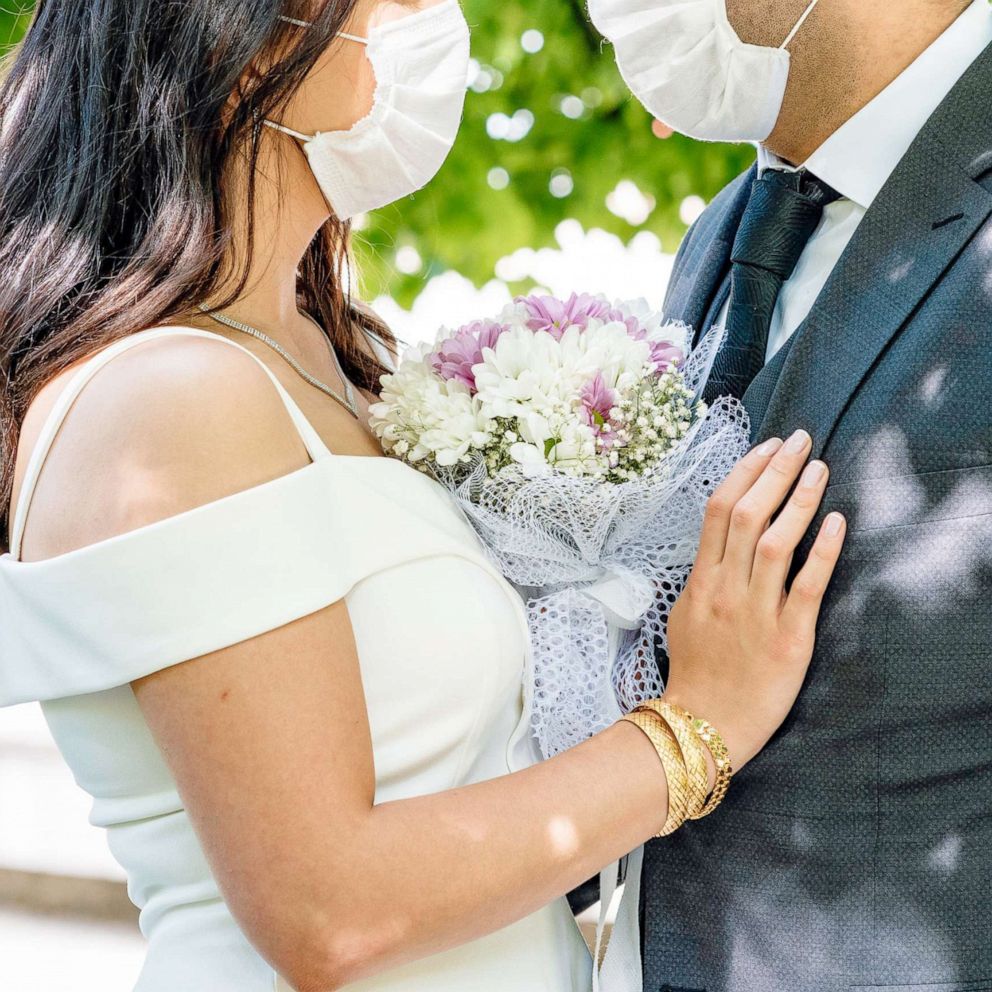
For those planning weddings or planning on attending one soon, many hope to celebrate without wearing masks. But Ashton said that it wouldn’t be wise to forgo the masks just yet.
“If there are people who are older who have chronic medical conditions, people who are at high risk for complications of COVID-19, I think it’s a selfless and responsible thing to do, even for a person who’s been vaccinated to continue wearing a mask,” Ashton said. “This is a low risk, potentially high benefit thing to do, even in the setting where a lot of people have been vaccinated.”
Additional risks to consider when planning a wedding
When it comes to planning a wedding amid the COVID-19 pandemic, Ashton said there’s no one-size-fits-all approach. Instead, it’s going to come down to six variables: time, place, people, space, masks and vaccination.
All these variables should be considered in terms of creating a safe environment for the couple and their guests on their big day, she said.
“A wedding is an event that goes considerably more than 15 minutes. That’s a risk factor,” Ashton said. "How to mitigate that risk factor of such a long period of time exposure is going to be important. [For] place, whether it’s indoors or outdoors, outdoors will be much, much safer in terms of airflow and ventilation space between people.”
When it comes to your guest list, Ashton said, “The risk of transmission definitely goes up when more people are at an event.” So, it’s important that people are wearing masks.
“We have over about a year of data that shows that when people wear masks, it not only protects those around the person wearing the mask but offers some degree of protection to the person wearing the mask,” she said. “I think keeping those elements in mind will help the hosts of a wedding or an event, kind of make it as safe as possible. The risk can never be zero, but it can be lowered.”