'A big piece of our hearts left this earth': Military families reflect on service members killed, injured in Iran war
More than six months after the United States and Israel launched strikes on Iran, ABC News spoke with several family members of troops who died or were injured during their deployment.
Family members expressed pride for their soldiers and reflected on their service.
So far, 18 U.S. service members have been killed during the Iran war -- for a total of 808 casualties, according to Department of Defense data.
With about 50,000 U.S. troops still deployed in the Middle East, President Donald Trump has not yet provided a clear exit strategy from hostilities with Iran, or a timeline as to when troops will return home.
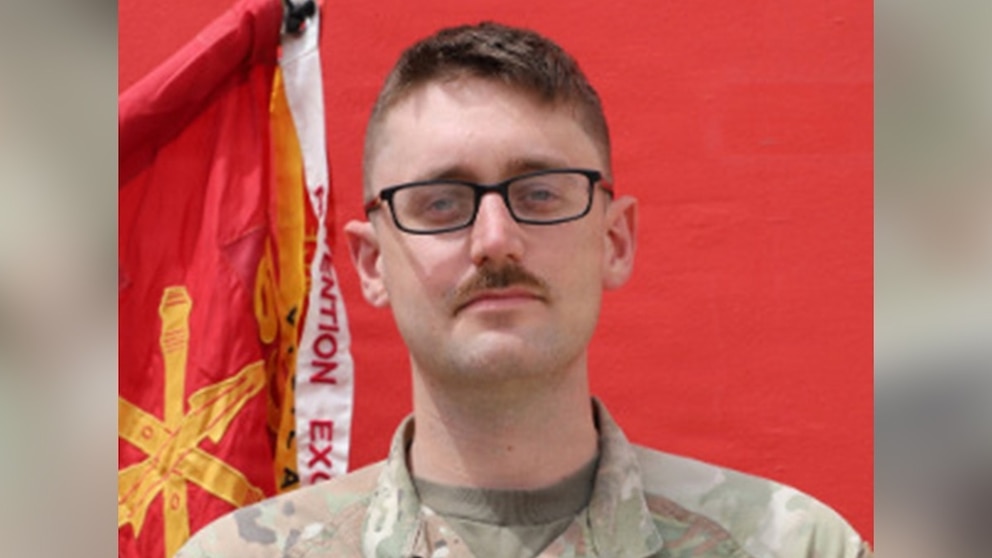
1st Lt. Tyler Feehan
U.S. Army 1st Lt. Tyler Feehan, 25, was killed in an Iranian ballistic missile and drone attack on July 17 at Muwaffaq Salti Air Base in Jordan -- just one year after he was deployed there.
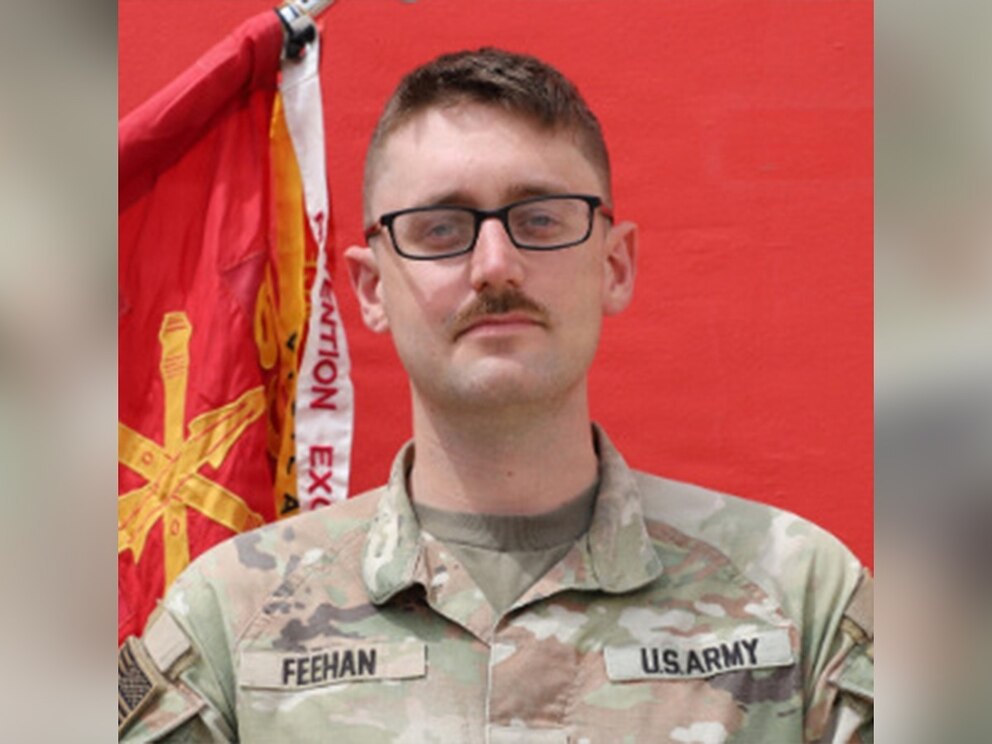
“It will always be the worst day of our lives. We were told that our only child, our sweet son, was gone,” Shari Feehan, Tyler Feehan’s mother, wrote in a statement to ABC News. “I believe I was in shock after being told. I remember saying 'no' over and over again. I couldn't breathe.”
The attack that killed Tyler Feehan -- as well as 19-year-old Pvt. Isabella Gonzales -- is under investigation, according to the Department of Defense.
Shari Feehan said that her son valued education, assisting 18 of his 21 soldiers in enrolling in college, resulting in more than 450 completed credit hours.
“During Operation Epic Fury, several of his soldiers faced academic failure and tuition debt due to a lack of internet access during ongoing combat operations,” she said. “He utilized his off-shift hours to research regulations and drafted memorandums to their universities, successfully securing academic waivers and protecting their GPAs.”
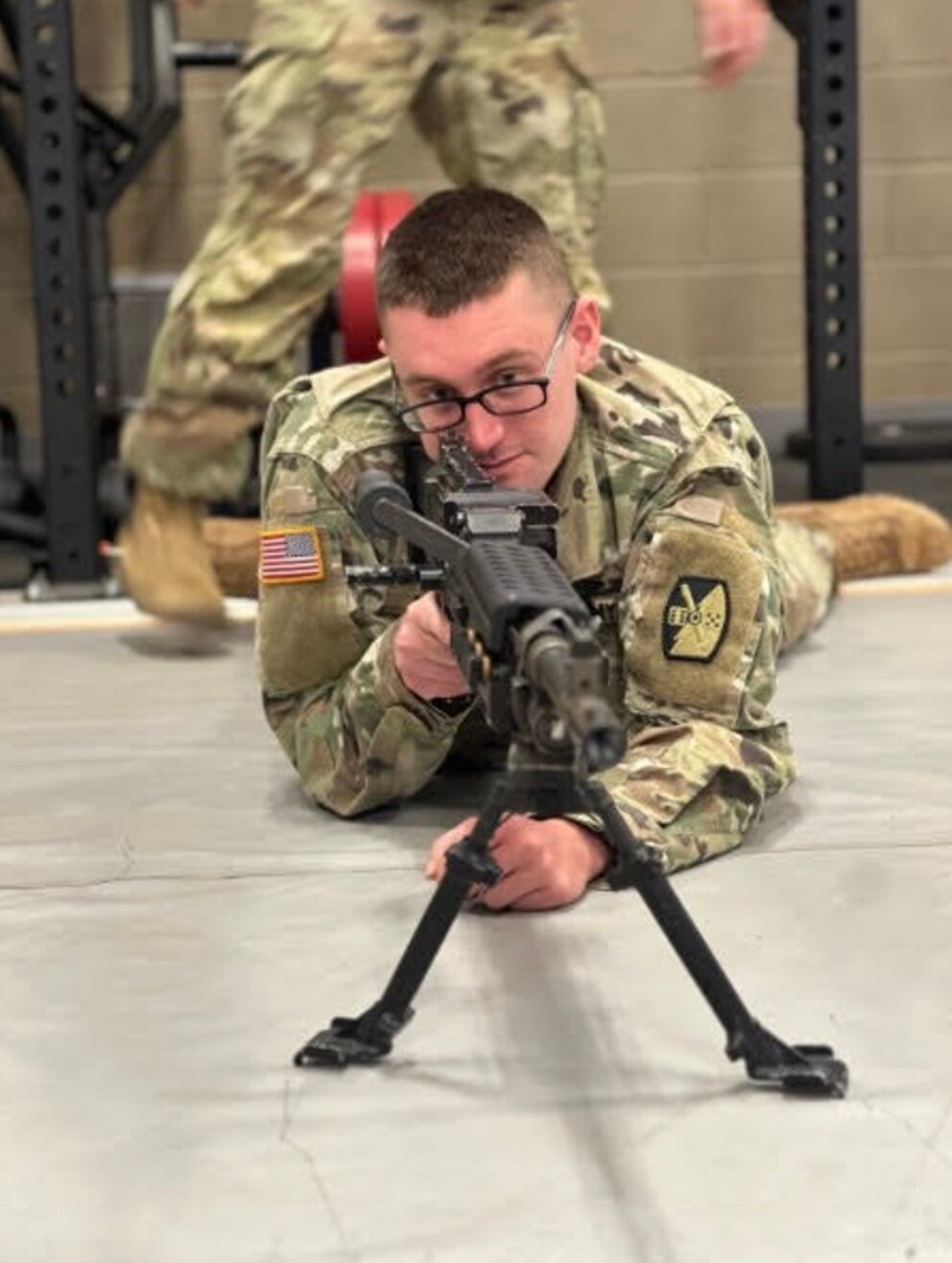
During his deployment, Tyler Feehan was preparing his application for law school and was scheduled to take the LSAT on Aug. 7. “He never got that chance,” Shari Feehan said.
Because of their son’s passion for education, the Feehans created the CPT Tyler Feehan Legacy Foundation that will provide scholarships to soldiers and help them rebuild after deployment, Shari Feehan said.
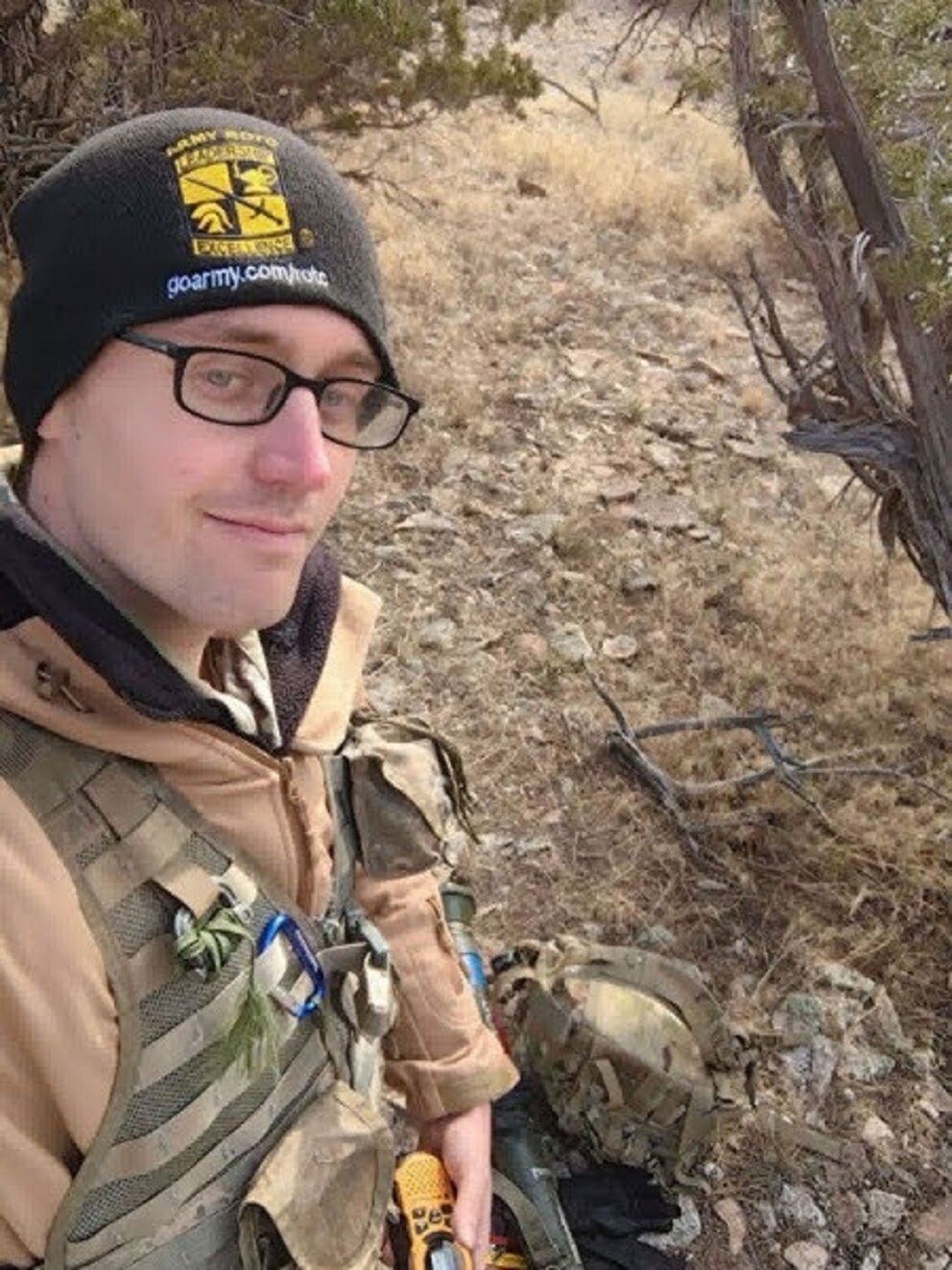
Before finding out that Tyler Feehan had died in the attack, Shari Feehan said that she and her husband had read about the attack in the news, and recalled getting a “sick feeling in the pit of our stomach.”
"Part of us knew at that time that it was Tyler,” Shari Feehan said. “A big piece of our hearts left this earth when we got the confirmation that we had been fearing.”
Tyler Feehan is survived by his fiancé and family.
Cmdr. Gabriel Edwards
Cmdr. Gabriel Edwards, 42, went missing on July 1 after his helicopter went down in the Arabian Sea, according to a Navy announcement. The Navy called off the search for Gabriel Edwards after four days, covering 14,000 square miles. He is now presumed to be dead.
“I can’t believe he’s gone,” Rosemary Edwards, his mother, said. “I just, I can’t fathom it. It’s still sinking in that he’s gone; his life is cut short.”
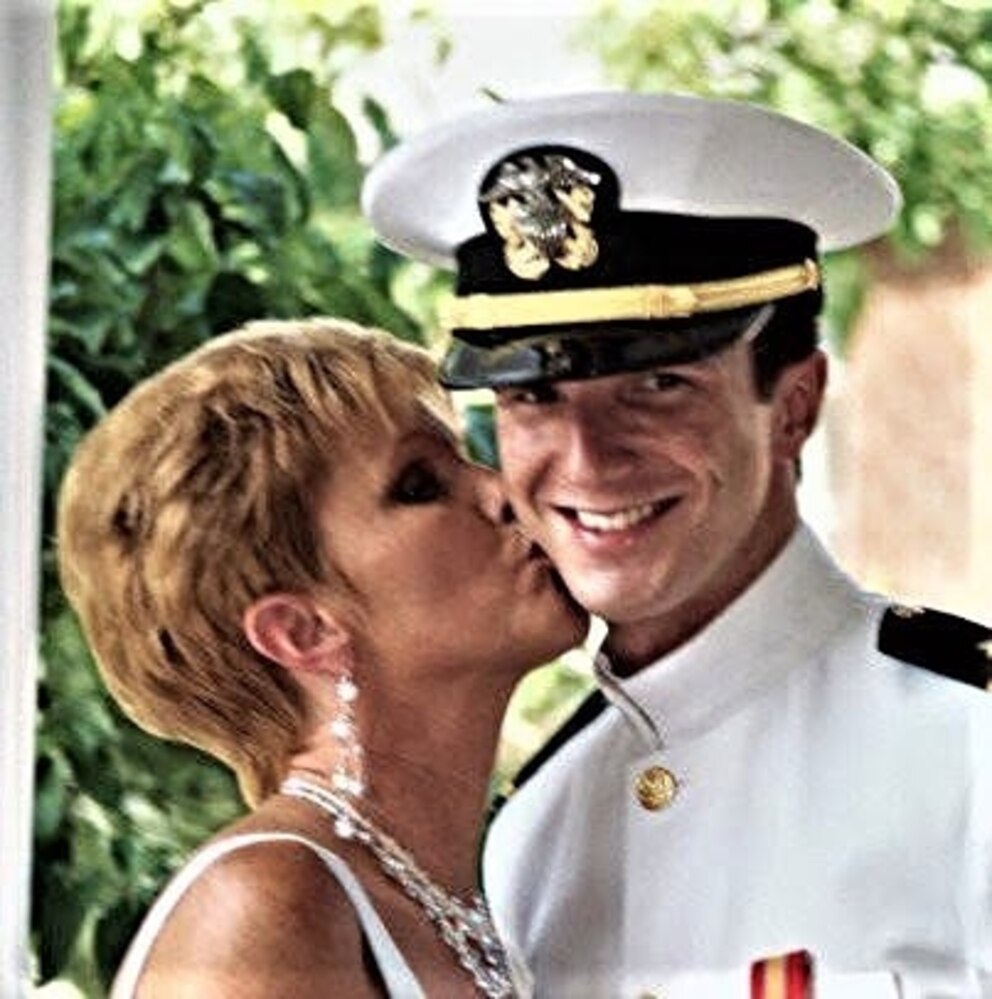
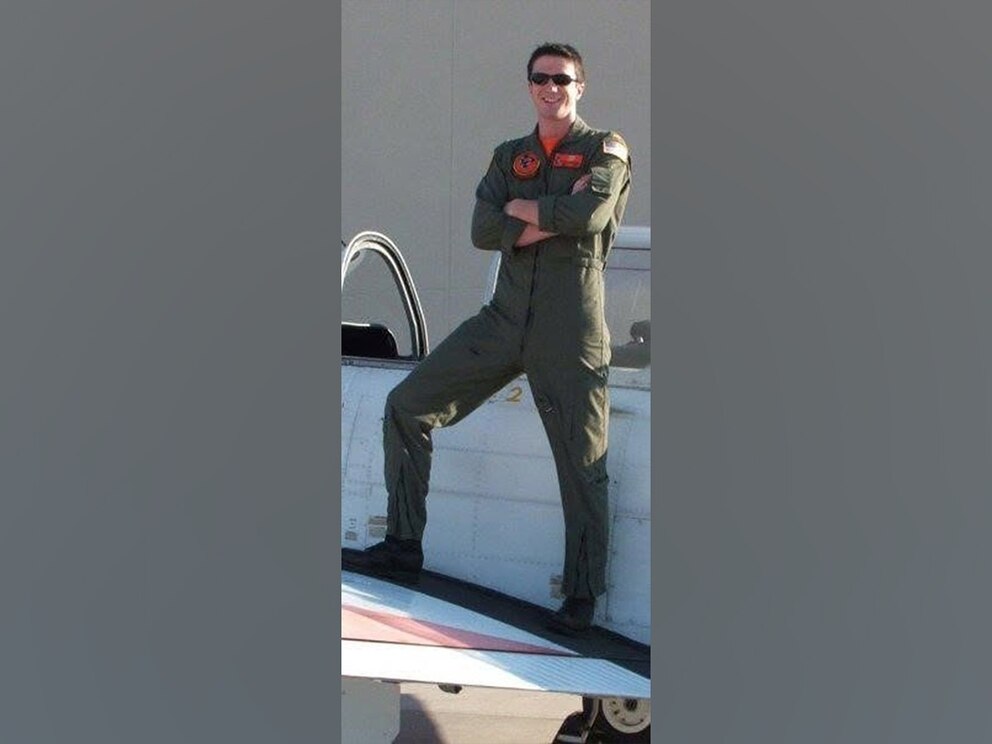
Gabriel Edwards was declared missing after three of the service members in his four-person MH-60S Seahawk helicopter crew were rescued at sea after an emergency landing. The Navy said the cause of the incident remains under investigation, but there is no indication the emergency was caused by hostile action.
“I feel like I should’ve been right there with him, just right there, down there, just going down with him or something. As a mom, part of you does go down with him, I guess,” Rosemary Edwards said. “I think about that moment where he is afraid and not able to help himself. I think moms just want to know how it happened.”
Rosemary Edwards said that her son was deployed for the Iran war in April, and was the commanding officer of Helicopter Sea Squadron 5, known as the “Nightdippers,” which embarked on USS George H.W. Bush. He had assumed command of the “Nightdippers” in July 2025.
Rosemary Edwards said the family plans to wait to do a memorial service until Gabriel Edwards' squadron returns home from deployment so that they can attend.
Gabriel Edwards was a career Navy man, Rosemary Edwards said. He graduated from Norfolk State University in 2006 with a degree in physics and was commissioned through the Naval ROTC. He completed flight training in 2008 and was deployed several times.
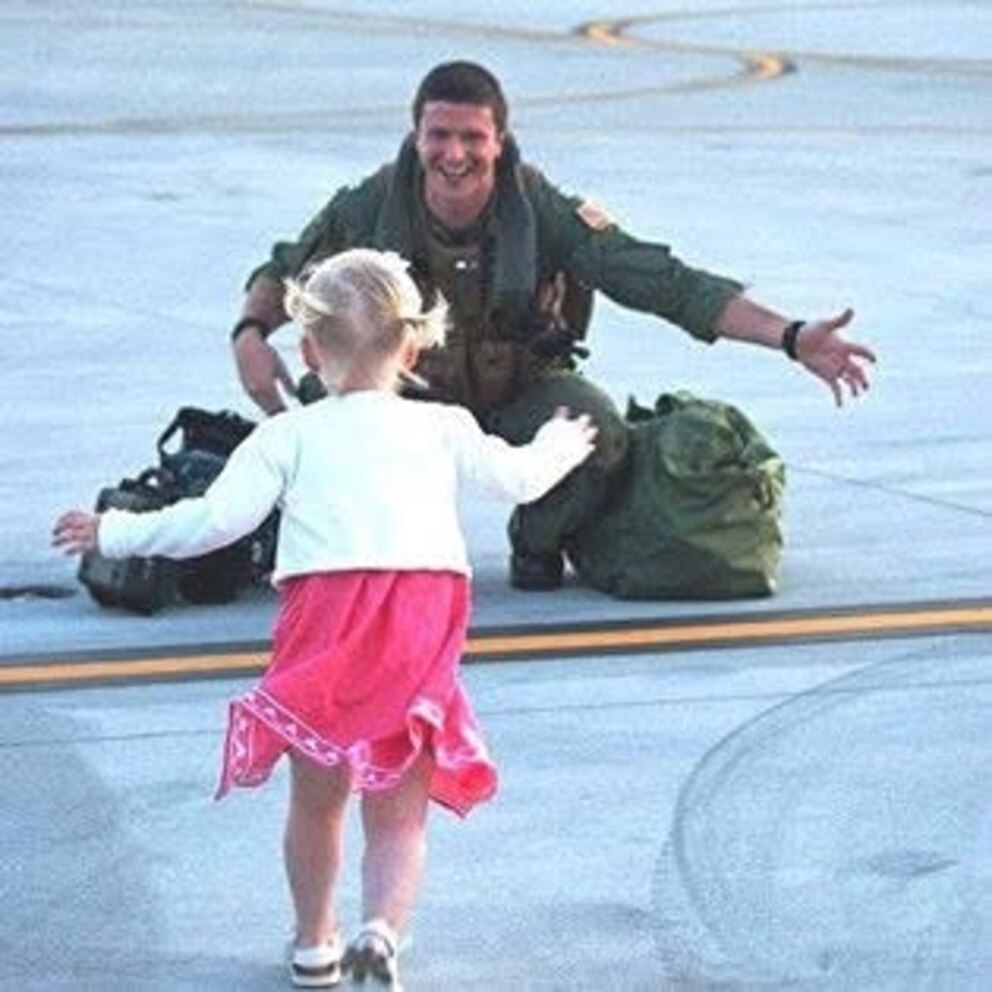
Christopher Amling, Gabriel Edwards' uncle, said that his nephew was piloting the helicopter that went down.
Gabriel Edwards had recently been promoted to captain, the highest officer rank in the Navy. Amling said that he was at the peak of his career.
“He really loved his service and got good into it and advanced pretty significantly in a short period of time,” Amling said. “That’s the kind of person he was. He was always a high achiever. He was smart. Most of all, he knew how to give credit to others.”
He is survived by his wife Rebecca, two children and a large extended family.
Sgt. 1st Class Cory Hicks
An Iranian drone attack at Port Shuaiba in Kuwait on March 1 killed six soldiers of the Army’s 103rd Sustainment Command and injured dozens more. Sgt. 1st Class Cory Hicks was among those injured, telling ABC’s Minnesota affiliate KSTP the strike led to internal injuries, shrapnel wounds, facial fractures and a traumatic brain injury.
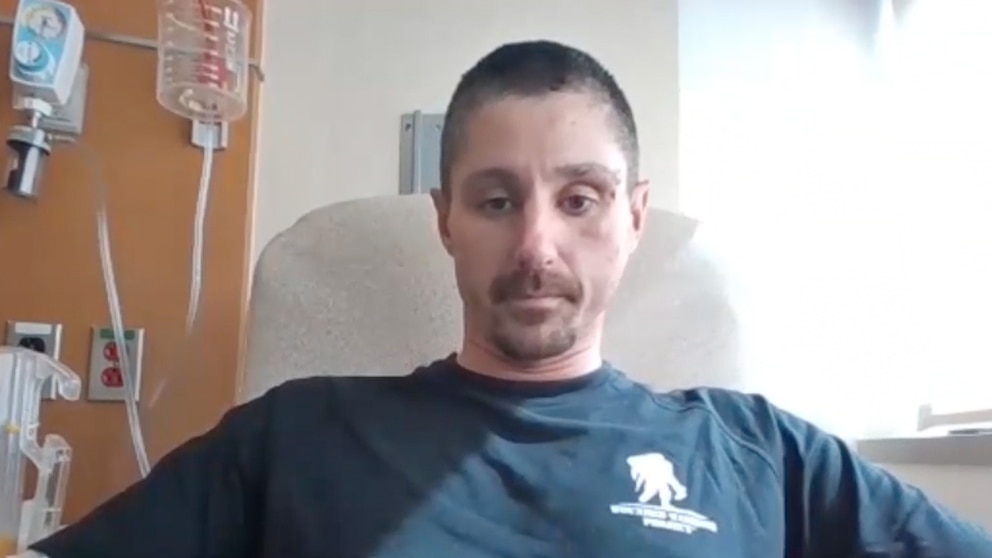
Hicks said he saw the nose of the drone before it hit the building he was in, “that’s when it blew up and just blew the whole building apart.”
“I came to, and I looked at one of my other colleagues, soldiers in front of me, and he was holding his head, and he had blood coming down, kind of looked around and saw everything was just smoke and fire and crazy and chaos,” he told KSTP.
Shortly after the attack, Hicks was put in the back of a van and brought to a hospital in Kuwait. He is still recovering from the attack, and his family said he is struggling with short-term memory loss and PTSD.
“A deployment to Kuwait, everyone jokes about; all the military community jokes about it being a 'vacation,' not a deployment,” Hicks said at Walter Reed National Military Center in Maryland. “But at any point in time, something can kick off with another country like Iran, and you find yourself in a situation where it can be hostile really quickly, and you have to try and prepare your mind for that. And I don’t think any of us were really prepared for it.”
His colleague and friend, Master Sgt. Nicole Amor, was one of the six soldiers killed in the attack.
“She was literally five feet from me when it happened," Hicks said. “When I looked over my left shoulder, the drone impacted basically right above her.”
He said his wife also knew Amor, and that they had a close-knit group. Amor challenged him to read more books and was the “kindest woman” who was “very caring and willing to go the extra mile,” he said.
“There hasn’t been war in Kuwait for over 30 years,” Hicks said. “We thought we were safe. We thought it was just going to be a silly 'nother 12-day war, and Israel and Iran are going to do their thing, and it’ll be over,” Hicks said. “But it’s coming to a realization that it’s turning into something bigger than we thought.”