• Video
  • Shop
  • Culture
  • Family
  • Wellness
  • Food
  • Living
  • Style
  • Travel
  • News
  • Book Club
  • Newsletter
  • Privacy Policy
  • Your US State Privacy Rights
  • Children's Online Privacy Policy
  • Interest-Based Ads
  • Terms of Use
  • Do Not Sell My Info
  • Contact Us
  • © 2026 ABC News
  • News

Breakthrough discovery: New plastic could be 'holy grail' of recycling
4:12
1 million species in danger of extinction: UN report
Martin Bureau/AFP/Getty Images, FILE
ByJon Schlosberg
May 07, 2019, 9:19 PM

Humans produce 300 million tons of plastic waste every year – which is roughly equivalent to the combined weight of all humans living right now. But a new discovery offers hope, and could revolutionize the way we deal with plastic.
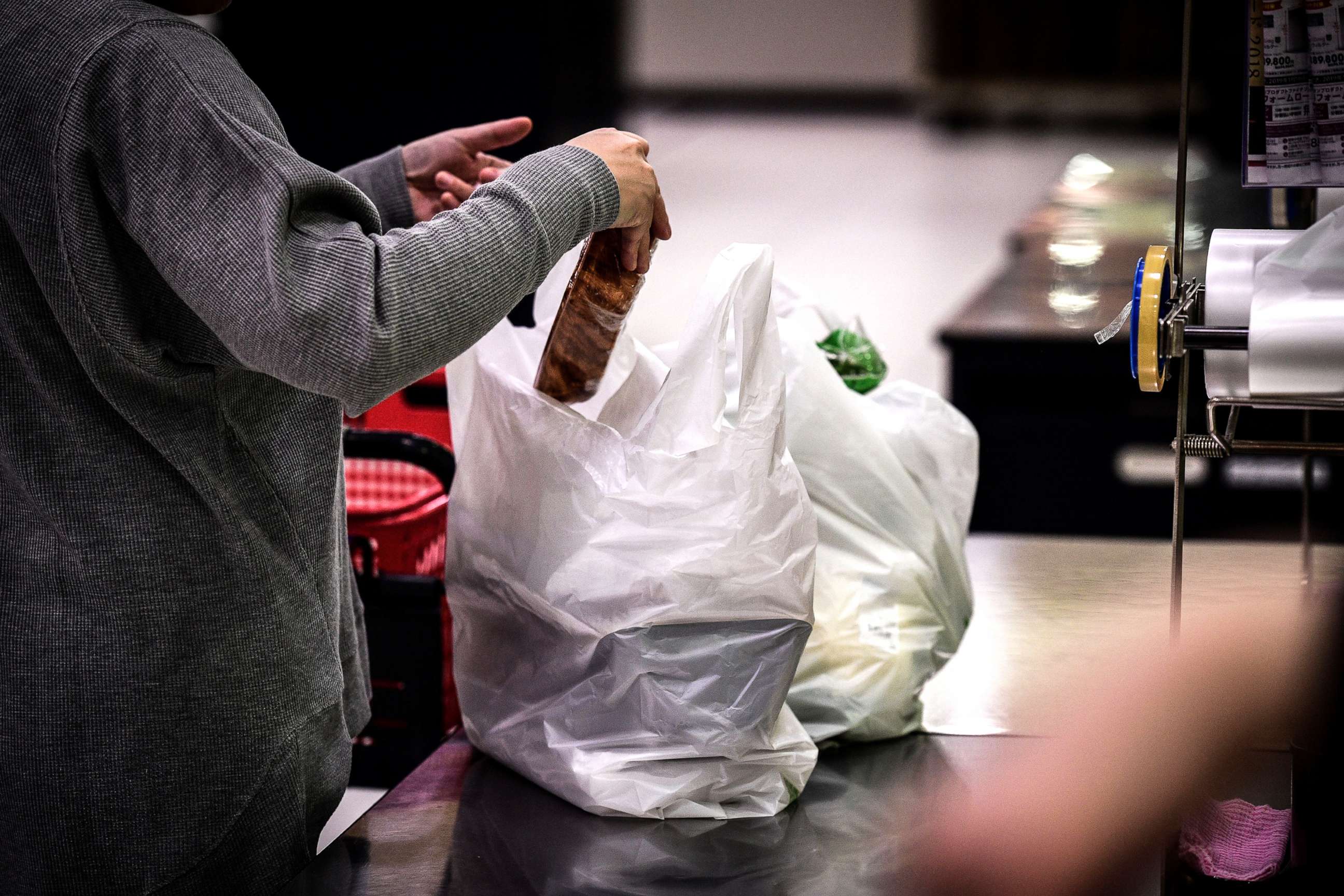
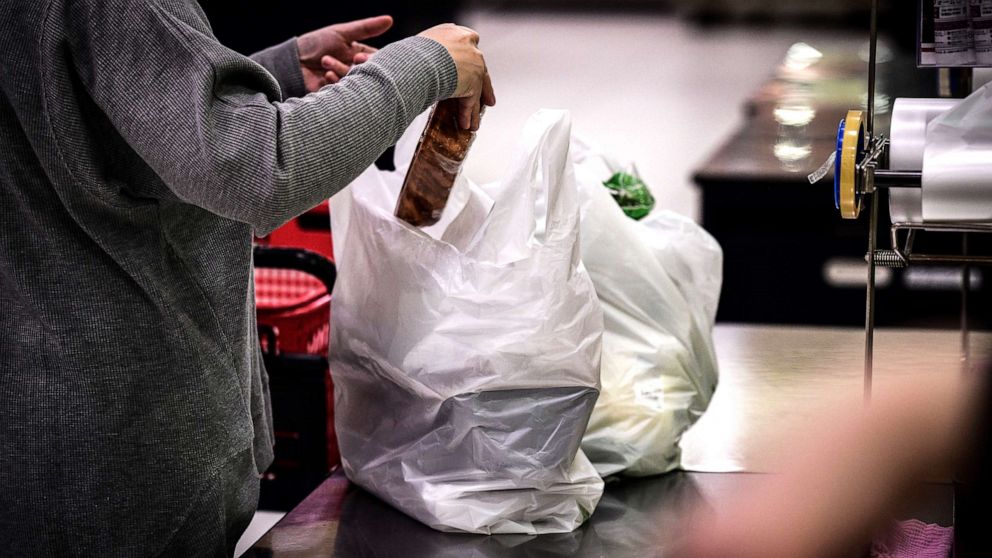
In this picture taken on Nov. 7, 2018, a woman packs her shopping into a plastic bag in a supermarket in Chiba, Japan.
Martin Bureau/AFP/Getty Images, FILE

Scientists at the U.S. Department of Energy’s Lawrence Berkeley National Laboratory have designed a plastic that can be recycled over and over again, and turned into new materials of any color, shape, or form. They are calling it polydiketoenamine or PDK, and this new plastic can be disassembled all the way down to the molecular level.

Related Articles

Photographer captures plastic pollution 'nightmare' in India ahead of Earth Day

Brett Helms, the staff scientist at the Berkeley Lab who led the research, told ABC News that the new discovery “could significantly reduce the leakage of plastics into the environment.”

“That broken black watchband you tossed in the trash could find new life as a computer keyboard if it’s made with our PDK plastics,“ Helms said.

Many plastics used today were made with chemicals that make them more resilient, but these chemicals can also make it more difficult to fully recycle the material or recycle them repeatedly. Over time, researchers say, even ‘recyclable’ plastics may end up in a landfill.

The Berkeley Lab says these types of chemicals had previously prevented plastic from achieving "the holy grail of recycling," and that PDK plastic might be the answer.
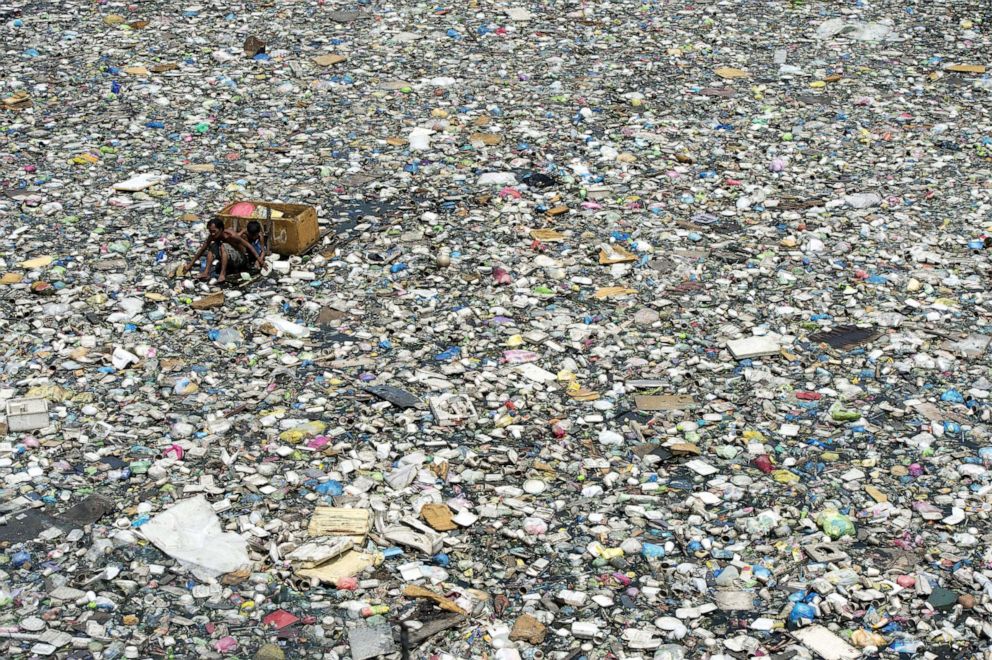
A father and son (left) on a makeshift boat made from styrofoam paddle through a garbage filled river as they collect plastic bottles that they can sell in junkshops in Manila on March 19, 2015.
Noel Celis/AFP/Getty Images, FILE

“If these facilities were designed to recycle or upcycle PDK and related plastics, then we would be able to more effectively divert plastic from landfills and the oceans,” Helms said.

Related Articles

Human activity has put 1 million species at risk of extinction: UN report

Researchers say the next plan is to develop PDK plastics to use in textiles, 3D printing and foams.
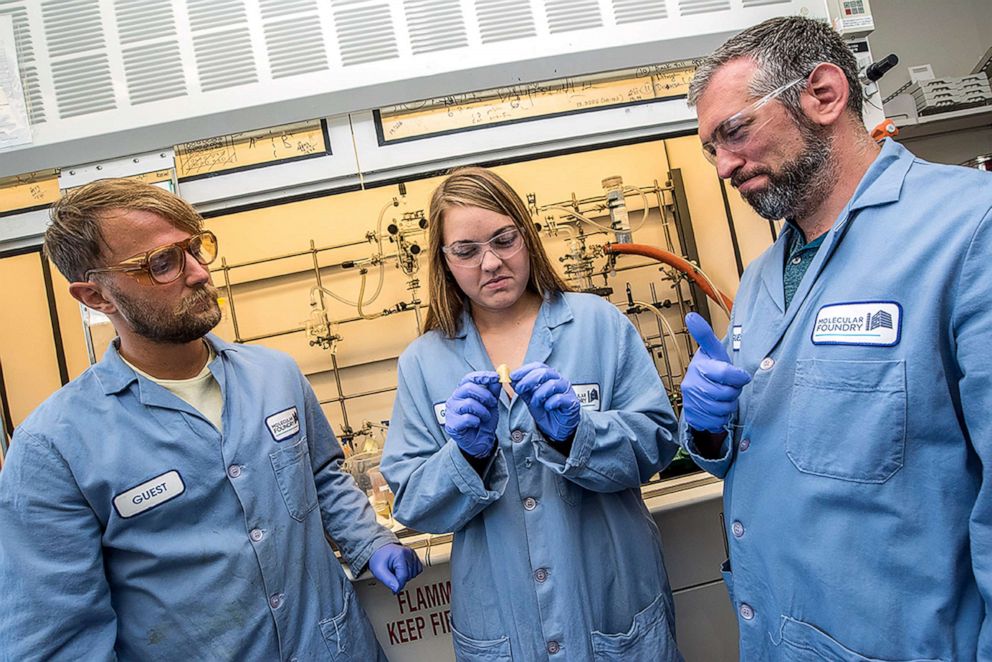
Researchers who discovered new recyclable plastic.
Marilyn Chung/Berkeley Lab

The researcher's findings are published in full in Nature Chemistry.

Up Next in News—

Woman speaks out after South Carolina deputy rescues her from burning car: 'Guardian angel'

June 5, 2026

'Extremely intelligent' bear that attacked 4 escapes capture in Japan

June 5, 2026

'Teen takeovers' prompt police responses across the country

June 5, 2026

Truck driver describes helping save young woman from alleged kidnapping

June 4, 2026

Shop GMA Favorites

ABC will receive a commission for purchases made through these links.

Sponsored Content by Taboola

The latest lifestyle and entertainment news and inspiration for how to live your best life - all from Good Morning America.
  • Contests
  • Terms of Use
  • Privacy Policy
  • Do Not Sell My Info
  • Children’s Online Privacy Policy
  • Advertise with us
  • Your US State Privacy Rights
  • Interest-Based Ads
  • About Nielsen Measurement
  • Press
  • Feedback
  • Shop FAQs
  • ABC News
  • ABC
  • All Videos
  • All Topics
  • Sitemap

© 2026 ABC News
  • Privacy Policy— 
  • Your US State Privacy Rights— 
  • Children's Online Privacy Policy— 
  • Interest-Based Ads— 
  • Terms of Use— 
  • Do Not Sell My Info— 
  • Contact Us— 

© 2026 ABC News