Why too much carbon dioxide harms the planet
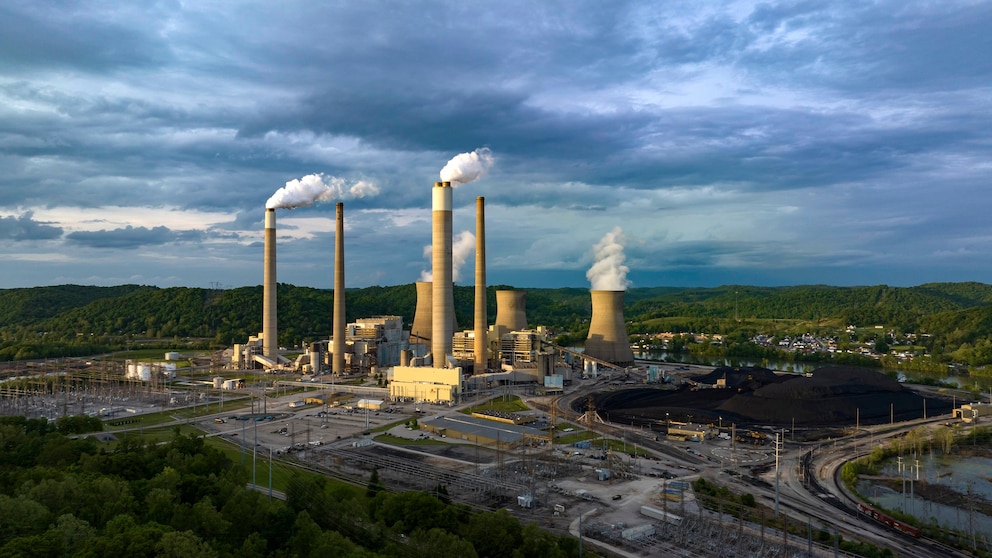
Carbon dioxide may be a naturally occurring substance on Earth, but too much of its presence has contributed to global warming, climate scientists say.
Carbon dioxide, known by the chemical formula CO2, is a gas produced by various natural processes, including respiration in animals and plants, volcanic eruptions, wildfires and the decay of organic matter.
But human activity since the 1800s, namely the use of fossil fuels for energy, is overwhelming the planet's natural carbon sinks, such as oceans and forests. Therefore, the heat-trapping gas causes global temperatures to rise as more of it accumulates in the Earth's atmosphere.
"CO2 is rising right now because of the emissions that we're putting into the atmosphere, and it's rising very rapidly," Bärbel Hönisch, professor of earth and environmental sciences at the Columbia Climate School's Lamont-Doherty Earth Observatory, told ABC News. "And carbon dioxide is a greenhouse gas, and so it heats the atmosphere."
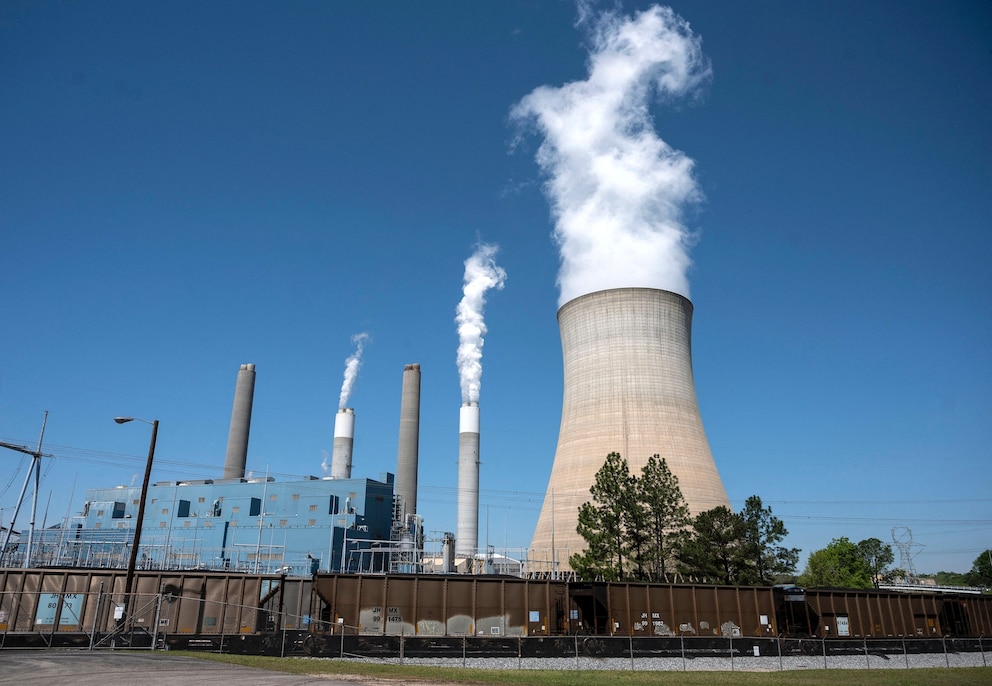
But the invisible gas is also critical for life on Earth. Plants breathe it in, and humans breathe it out.
The goal of climate mitigation isn't to remove CO2 from the atmosphere completely, but to even out the unnatural surplus instead, said ABC News Chief Meteorologist and Chief Climate Correspondent Ginger Zee.
"We want to get back to the natural amount of CO2," Zee said.
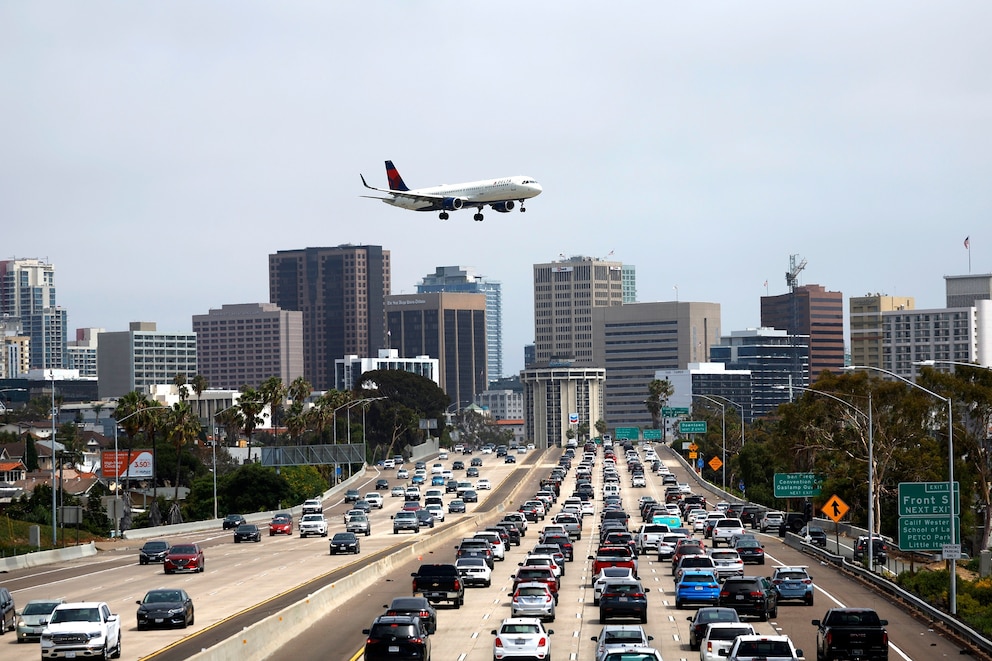
The consequences of extra CO2 in the atmosphere extends beyond the climate itself. As excess greenhouse gases heat the planet, the ocean becomes more acidic, impacting marine life, Hönisch said. In addition, climate change is fueling rapid growth of certain types of algae, further collapsing ecosystems, Hönisch added.
"Climate is a combination of different components that must be just right for life to exist on our planet," she said.
Humans have injected more than 1.5 trillion tons of CO2 into the atmosphere since the Industrial Revolution, when the use of fossils fuels began to skyrocket, according to the Global Carbon Budget.
Historical levels of climate change are determined by a number of processes. Samples of ice, lake and seafloor cores indicate how much carbon dioxide existed at different periods on the planet. In addition, more than six decades of CO2 measurements have been taken at the Mau Loa Observatory on Hawaii's Big Island, home to the largest active volcano in the world.
The Keeling Curve, a graph that plots concentrations of CO2 in the atmosphere over time, uses measurements taken at Mau Loa Observatory, starting in 1958.
In 2024, CO2 levels in Earth's atmosphere reached the highest ever recorded, according to the National Oceanic and Atmospheric Administration.
Curbing the emissions of greenhouse gases from fossil fuel use is key for limiting the impacts of a warming world, such as more frequent and intense extreme weather events and rising sea levels, climate scientists say.