How climate change will make hosting the Winter Olympics more challenging
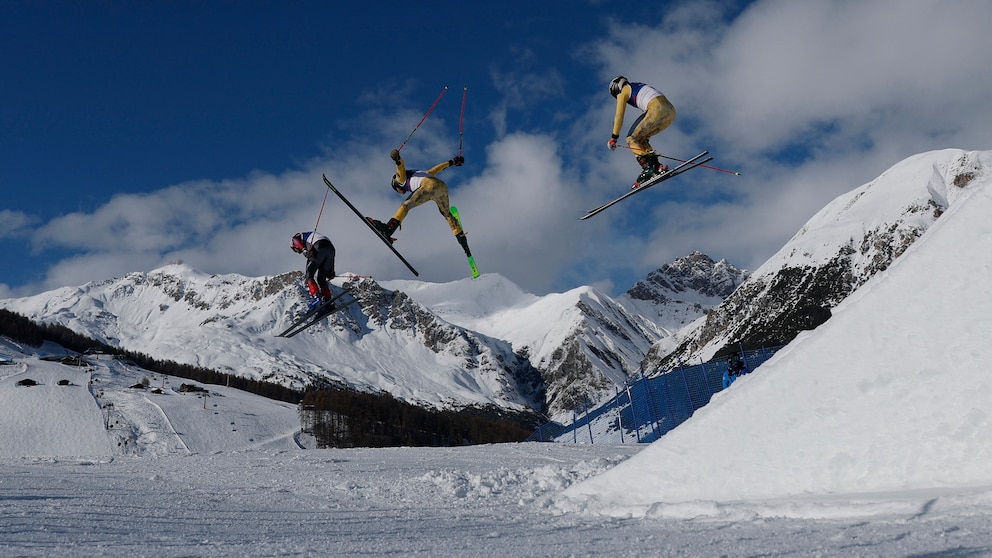
Hosting the Winter Olympics will be more challenging in the future as global warming impacts host cities traditionally known for climates suitable for competitions such as skiing and snowboarding, according to climate scientists.
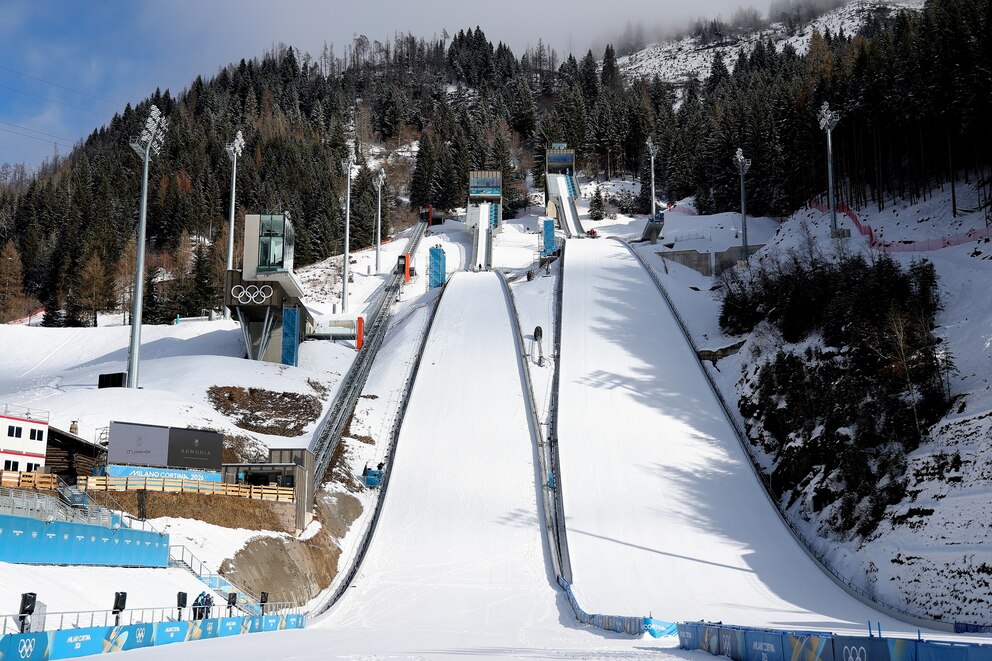
The 2026 Winter Olympics are about to kick off, but the Milano Cortina Games will take place in a much warmer world than in years past.
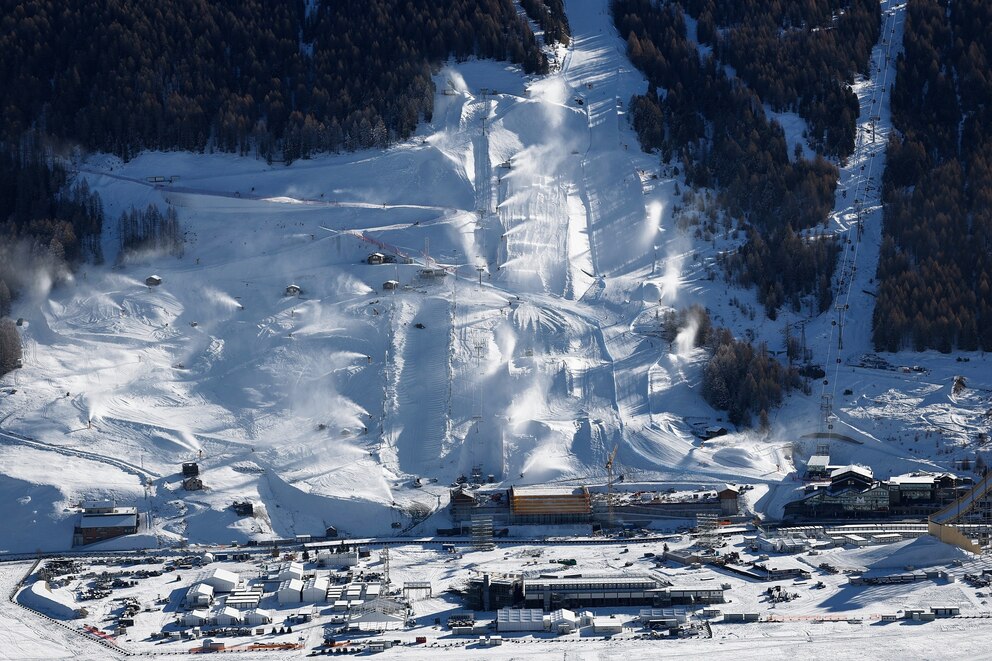
Average temperatures in Cortina, Italy, have risen by 6.4 degrees Fahrenheit since the region first hosted the Winter Olympics in 1956, according to a recent analysis by Climate Central. The warming trends have led to fewer freezing days and a shortage of naturally made snow.
"The number of freezing days, which is what you need to have snow, has dropped by almost 20%," Marcene Mitchell, senior vice president for climate change for the World Wildlife Fund, told ABC News.
As a result, event organizers were required to ship in 3 million cubic yards of artificial snow, despite the games taking place in the high altitudes of the Italian Alps.
The artificial snow is not as safe, Mitchell said, explaining that it's "icier" and a "riskier" surface for athletes to compete on.
The energy to make and ship the artificial snow also exacerbates the carbon footprint of the competitions that require snow, the climate experts said.
"To create artificial snow requires massive amounts of water and energy," Mitchell said.
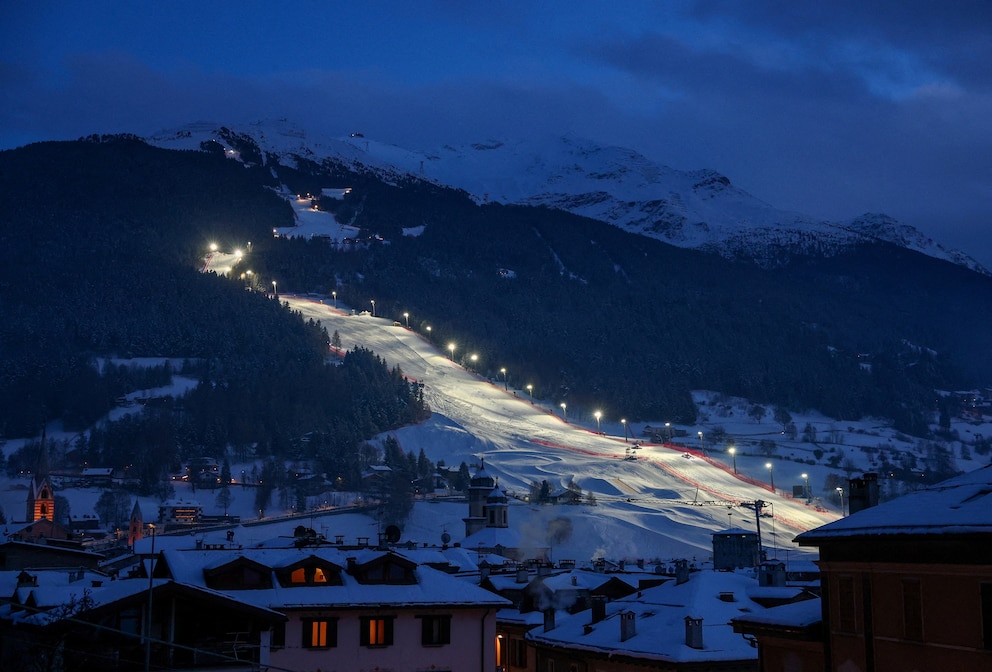
Warmer-than-freezing temperatures can also alter the consistency of the snow -- turning it to slush -- which can cause delays as crews work to smooth the slopes, Carlos Martinez, senior climate scientist at the Union of Concerned Scientists, told ABC News.
Some of the most popular outdoor sports, such as skiing and snowboarding competitions, are impacted, Martinez said.
The warming planet is impacting a number of regions that would have previously been considered suitable to host the games. Every host location of the Winter Games since 1950 has warmed since then, according to Climate Central. Out of 93 potential host sites, only 52 would have reliable conditions for the Winter Olympics by the 2050s, according to a 2024 study.
"Globally, winters are changing drastically," Jon Meyer, assistant Utah state climatologist, told ABC News.
The impact on snowpacks is being felt on all continents, Meyer added.
The French Alps, the host of the 2030 games, have lost about a third of their snowfall over the past century, according to recent research.
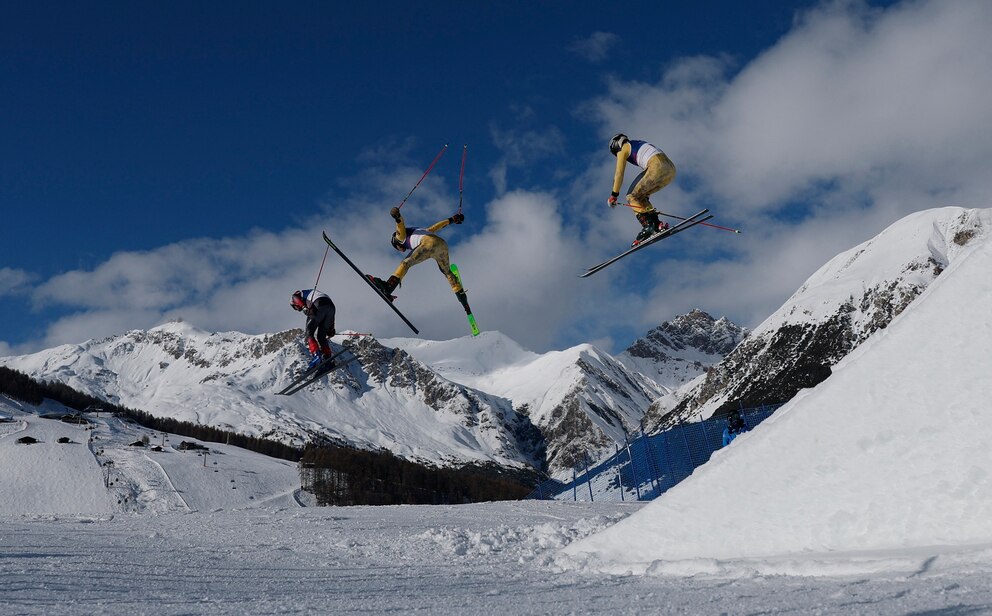
Utah is slated to host the 2034 Winter Olympics. While a single season isn’t an indicator of future snowfall, Salt Lake City has only amassed .10 inches of snow this winter season, compared to an average of 33.4 inches typically accumulated by early February. One ski resort outside Salt Lake City has only seen 143 inches of snow so far this season -- 150 inches below average.
"Just totally uncharted territory for the amount of low-elevation and mid-elevation snowfall Utah has seen, and that's a pattern that's played out across much of the Western U.S.," Meyer said.
The lack of snowfall will likely put regions in the West at risk of drought conditions and lower water supplies in the coming seasons, Meyer added.
Elsewhere in the world, warming will be an "ongoing" issue for the Winter Olympics, Martinez said.
"You can't hold the Winter Olympics without winter, and this is exactly what's happening with climate change around the world," Mitchell said.