• Video
  • Shop
  • Culture
  • Family
  • Wellness
  • Food
  • Living
  • Style
  • Travel
  • News
  • Book Club
  • Newsletter
  • Privacy Policy
  • Your US State Privacy Rights
  • Children's Online Privacy Policy
  • Interest-Based Ads
  • Terms of Use
  • Do Not Sell My Info
  • Contact Us
  • © 2026 ABC News
  • News

What to know about the dangers of black ice
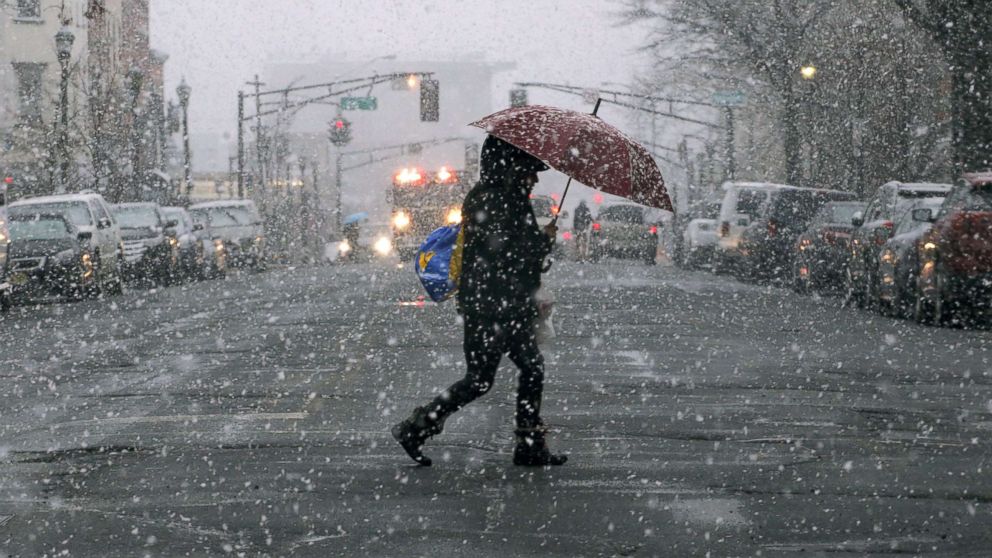
1:48
NJ faces black ice threat in wake of nor'easter
Kena Betancur/Getty Images
ByJulia Jacobo
March 08, 2018, 2:34 PM

As Wednesday's nor'easter leaves slippery black ice in its wake, here's a closer look at why black ice is so dangerous.

Black ice occurs when liquid freezes on a black roadway. The ice is completely clear, so it's difficult for motorists and pedestrians to distinguish the difference between a wet roadway and slippery ice.
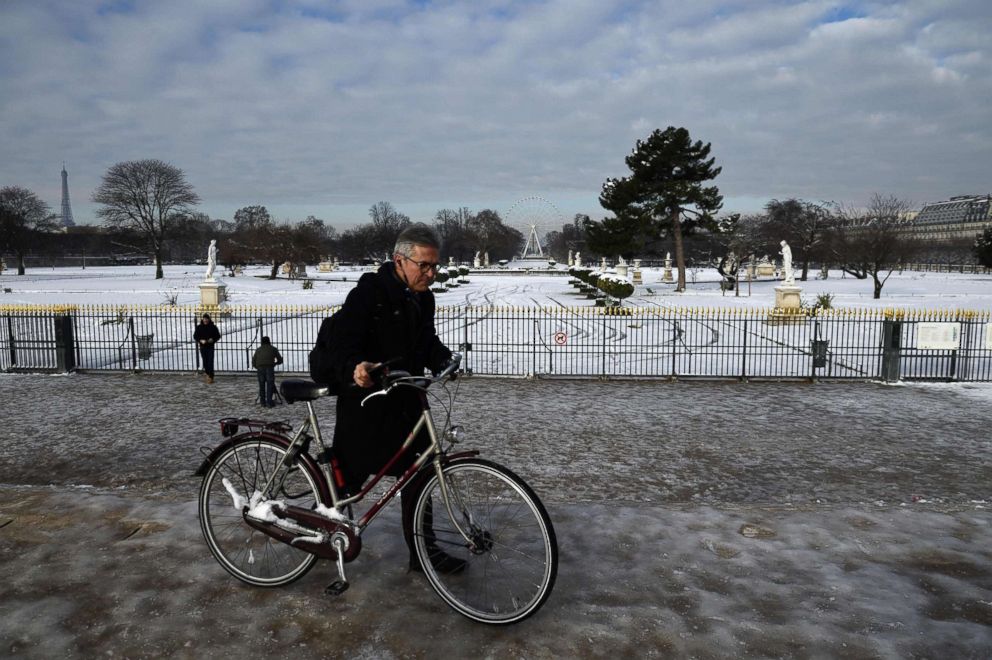
A man pushes his bicycle on black ice past the snow-covered Tuileries Gardens, which remains closed following snowfall, Feb. 8, 2018 in Paris.
Eric Feferberg/AFP/Getty Images
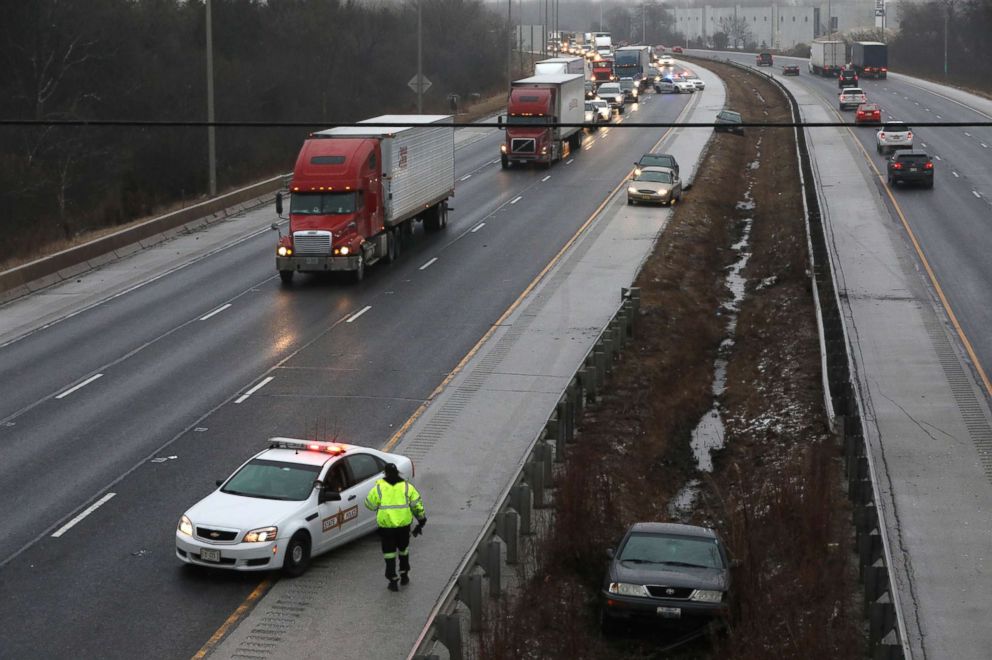
Freezing rain and black ice caused hazardous driving conditions in many Chicago area suburbs, including Interstate 80 near Harlem Avenue, Jan. 24, 2018 in Tinley Park, Ill.
Zbigniew Bzdak/Chicago Tribune/TNS via Getty Images

ABC News' Gio Benitez carefully walked along black ice in Saddle Brook, New Jersey, this morning.

"If you've tried driving on roads that have this black ice, you will see that you will lose control and sometimes you can't even see it," Benitez said. "You really need to look for that sort of reflective sheet of ice."

Black ice tends to form in the shaded areas of the roadway and on bridges and overpasses that freeze first and melt last, AAA National spokeswoman Jeanette Casselano told ABC News earlier this winter.

It takes a vehicle nine times longer to stop in ice and snow compared to clear conditions, added AAA Northeast spokesman Robert Sinclair.
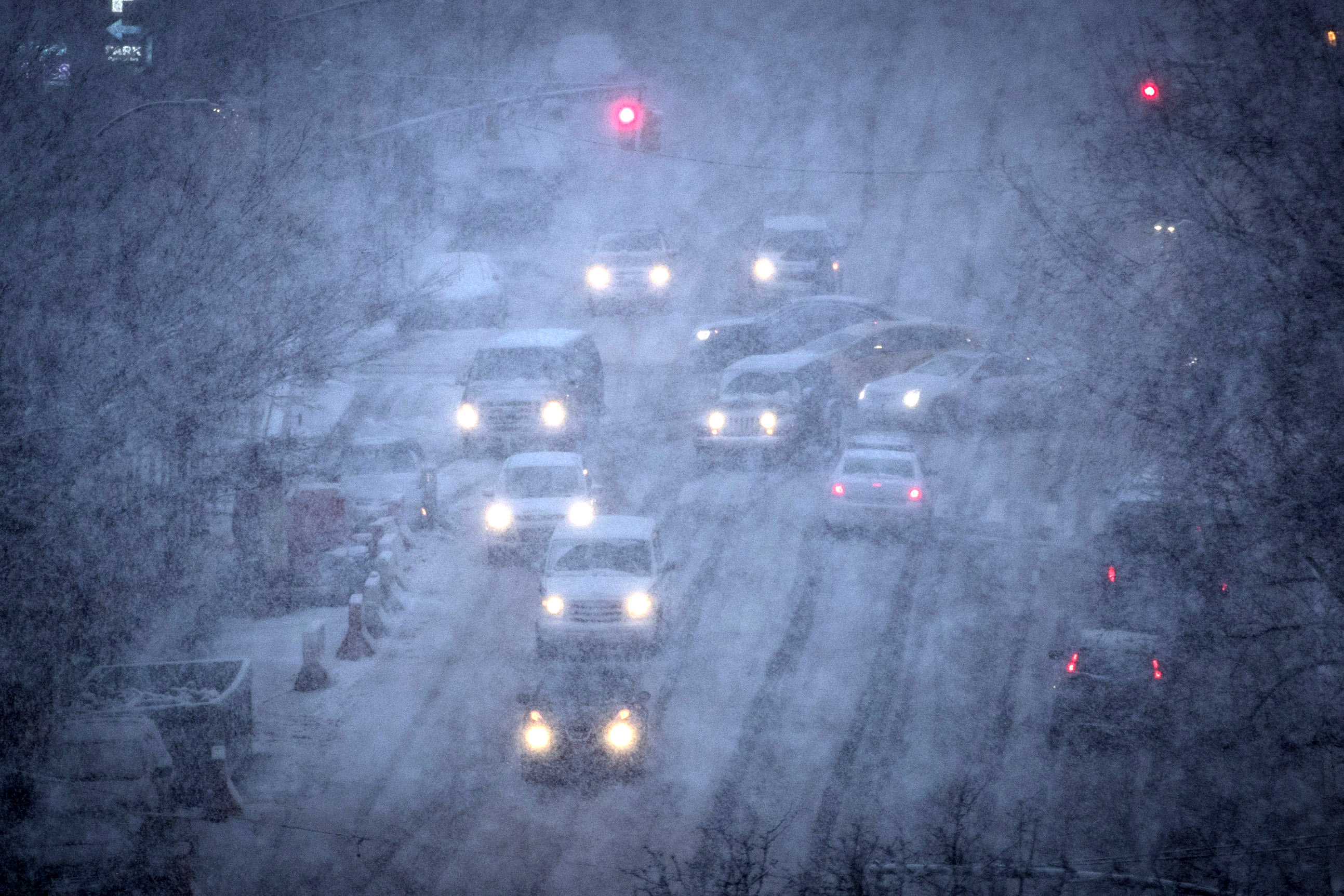
Vehicles navigate the road conditions on Atlantic Avenue in Brooklyn during a snowstorm, March 7, 2018, in New York City.
Drew Angerer/Getty Images

Related Articles

As East Coast braces for another nor'easter, here's what to know about this type of storm

Related Articles

'Bomb cyclone': What to know about this kind of monster storm

Related Articles

What is thundersnow? Explaining this rare winter storm occurrence

While salting can help prevent black ice from developing, the effectiveness of the salt goes down once temperatures fall below 20 degrees.

Here are some of AAA's tips for driving in winter weather:

--Avoid tailgating.
--Don't use cruise control on slippery roads.
--Slow down immediately when you see brake lights ahead.
--Don't slam on your brakes.
--If your car skids, continue to steer in the direction you want the car to go.

ABC News' Erin Keohane and Emily Shapiro contributed to this report.
Up Next in News—

Over 1 million Jeep Gladiator, Wrangler vehicles voluntarily recalled

June 10, 2026

Navy base employee critically injured in shark attack in Florida

June 10, 2026

Nick Reiner demands trust fund money to pay for his defense, court filing shows

June 9, 2026

Apple announces Siri AI and more at Tim Cook's last Worldwide Developers Conference

June 9, 2026

Shop GMA Favorites

ABC will receive a commission for purchases made through these links.

Sponsored Content by Taboola

The latest lifestyle and entertainment news and inspiration for how to live your best life - all from Good Morning America.
  • Contests
  • Terms of Use
  • Privacy Policy
  • Do Not Sell My Info
  • Children’s Online Privacy Policy
  • Advertise with us
  • Your US State Privacy Rights
  • Interest-Based Ads
  • About Nielsen Measurement
  • Press
  • Feedback
  • Shop FAQs
  • ABC News
  • ABC
  • All Videos
  • All Topics
  • Sitemap

© 2026 ABC News
  • Privacy Policy— 
  • Your US State Privacy Rights— 
  • Children's Online Privacy Policy— 
  • Interest-Based Ads— 
  • Terms of Use— 
  • Do Not Sell My Info— 
  • Contact Us— 

© 2026 ABC News