• Video
  • Shop
  • Culture
  • Family
  • Wellness
  • Food
  • Living
  • Style
  • Travel
  • News
  • Book Club
  • Newsletter
  • Privacy Policy
  • Your US State Privacy Rights
  • Children's Online Privacy Policy
  • Interest-Based Ads
  • Terms of Use
  • Your Privacy Choices
  • Contact Us
  • Recalls and Product Safety Alerts
  • © 2026 ABC News
  • News

First humans to walk upright survived longer than we thought
6:27
News headlines today: Dec. 23, 2020
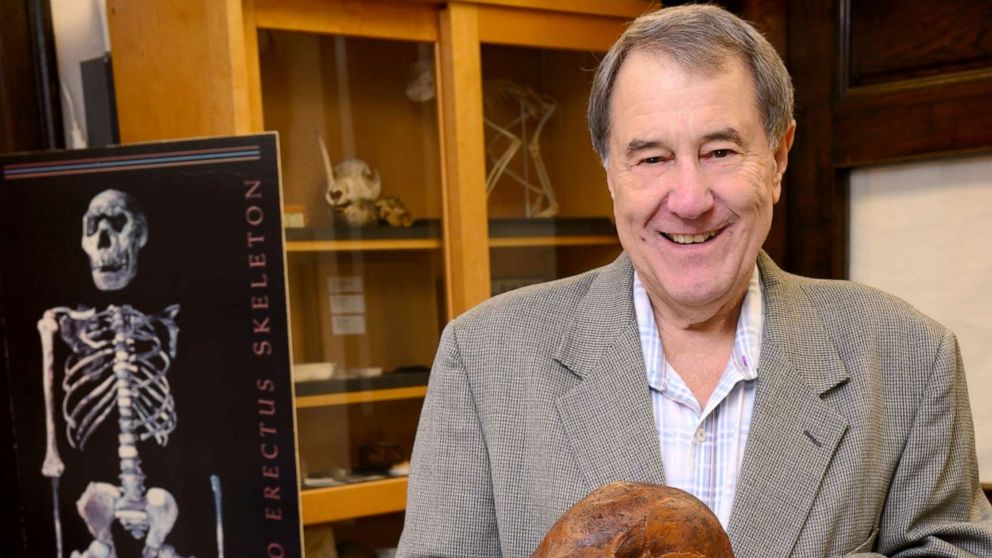
Tim Schoon/University of Iowa
ByErin Schumaker
December 19, 2019, 10:03 PM

Homo erectus, or the first humans to walk upright, lived longer than we previously thought, according to new research.

Related Articles

(MORE: Archaeologists discover oldest cave painting to tell a story. Here's what it depicts)

In the 1930s, two lower leg bones and 12 skull caps were discovered in Ngandong, in Java, Indonesia. Using new technology, researchers have been able to more precisely date the fossils and place their age between 108,000 and 117,000 years old.
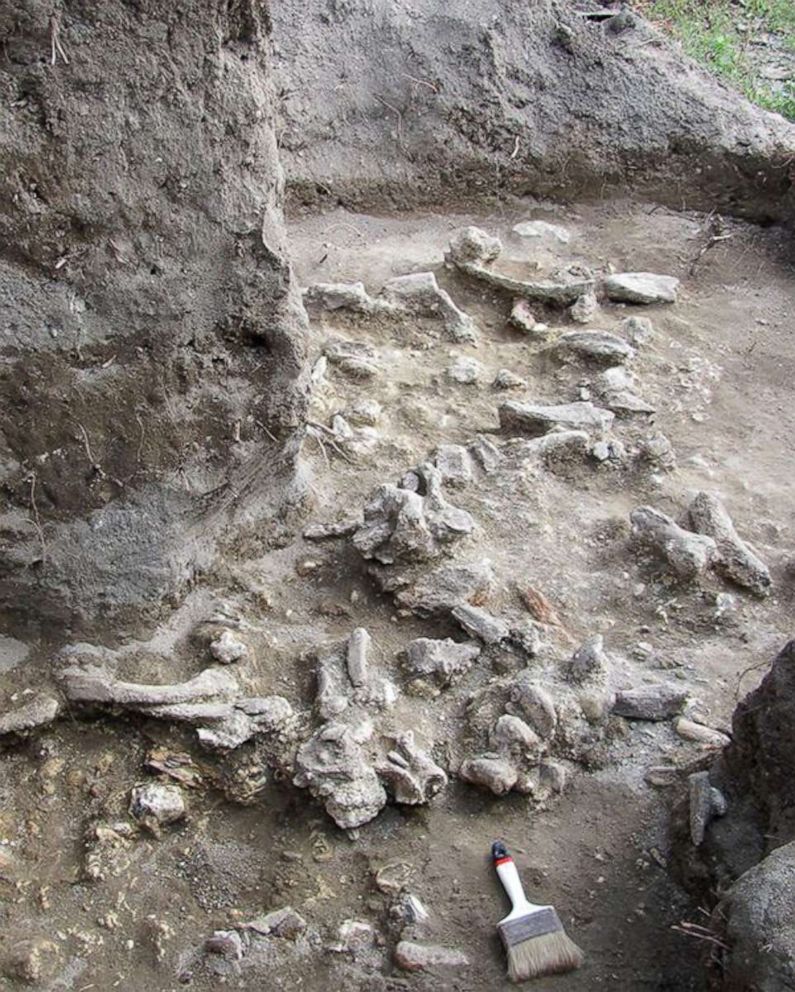
Exposed bone bed from 2010 excavations at Ngandong.
Russell L. Ciochon/University of Iowa

Those findings were published in the journal Nature this week

"Ngandong is the youngest known Homo erectus site in the world, and dating this site provides insights into the extinction of one of our direct ancestors," said Russell Ciochon, coauthor of the Nature article and a professor at the University of Iowa.

Ciochon, a paleoanthropologist, started working in Java because numerous volcanoes, combined with the high number of Homo erectus fossils on the island, made his findings easier to date than previous research he did into human evolution in China.
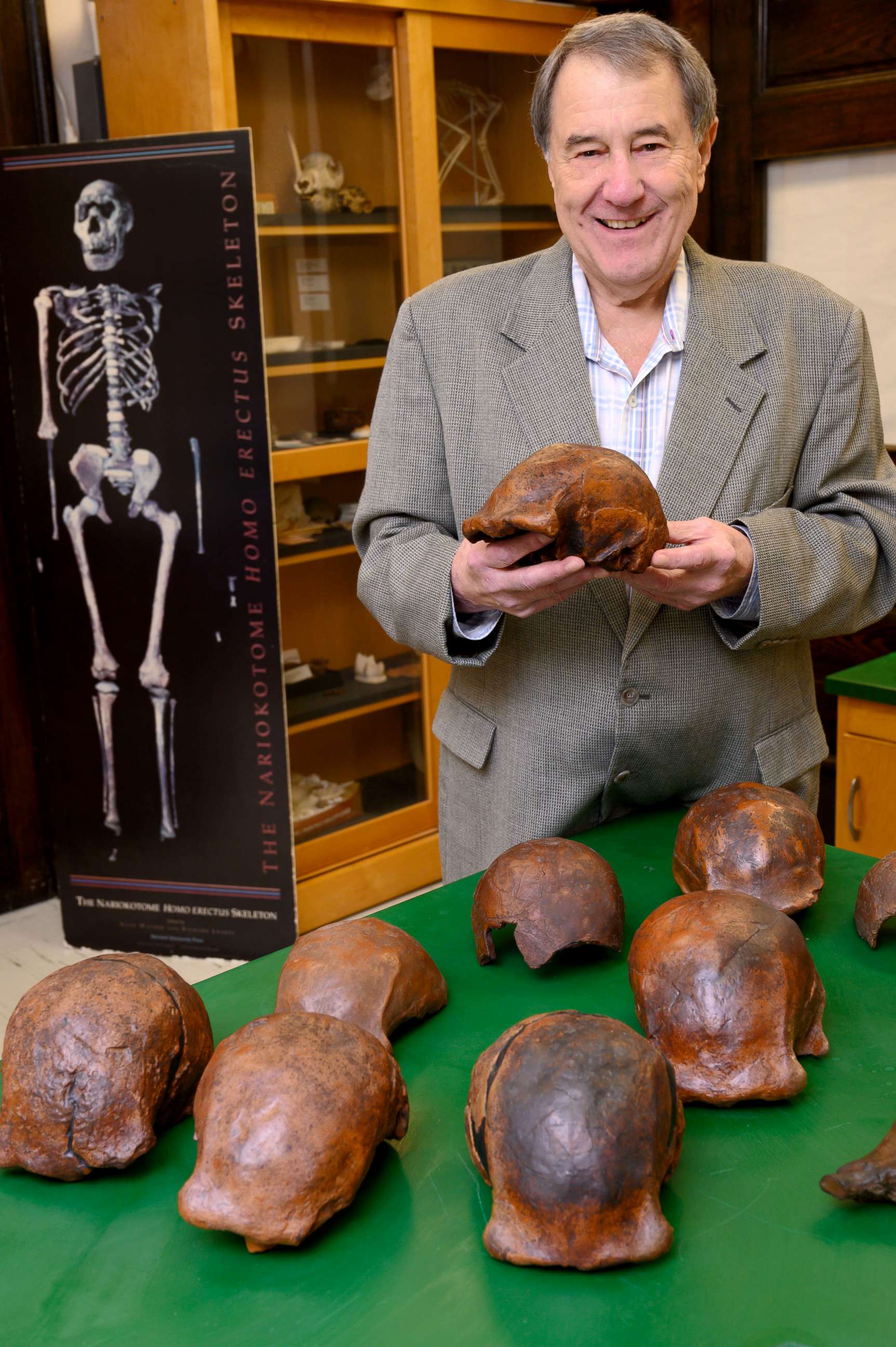
Palaeoanthropologist Russell Ciochon of the University of Iowa with a collection of Homo erectus fossil replicas from Ngandong.
Tim Schoon/University of Iowa

The project, which began in 2006, included excavating 867 fossils over the course of 13 years.

In the end, Homo erectus met their match when they were unable to adapt to the changing climate, and likely died out when their environment transitioned from an open woodland to a hotter, wetter rain forest.

Related Articles

(MORE: Mammoth bones found in man-made pit reveal tantalizing evidence of hunting behavior)

"I believe we have finally ended the debate about the age of the Ngandong," Ciochon said.
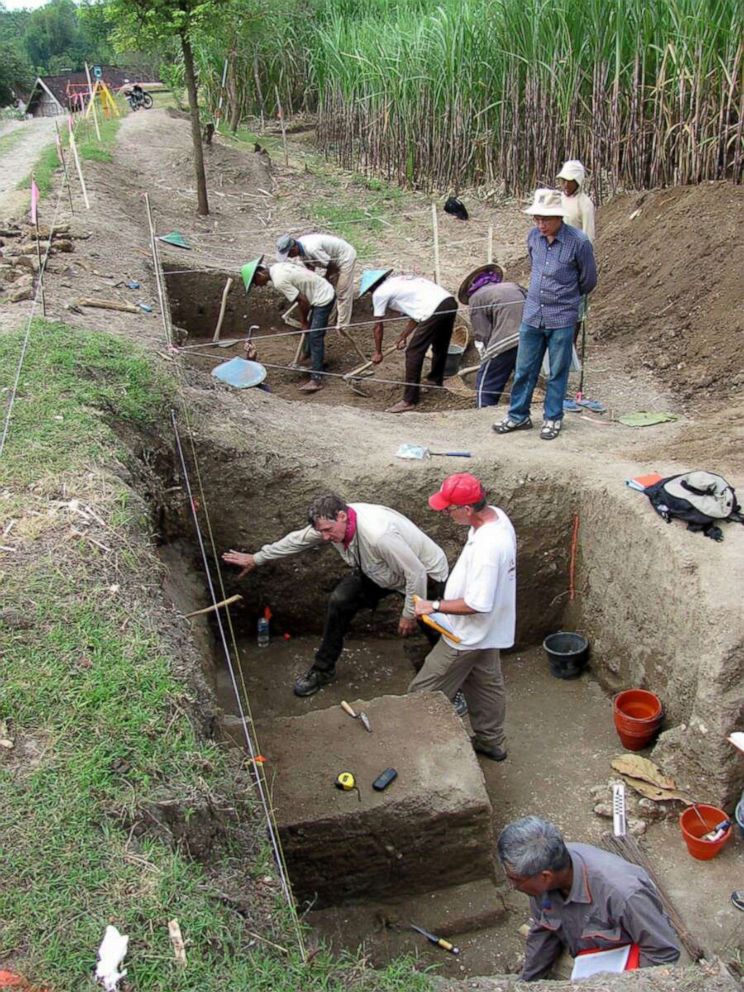
Excavations underway in pits being dug in 2010.
Russell L. Ciochon/University of Iowa

Up Next in News—

Lindsay Clancy trial puts spotlight on defense attorney, prosecutors

September 5, 2026

Lindsay Clancy supporters vow to return in 'bigger numbers' after mistrial

September 4, 2026

Lindsay Clancy trial declared a mistrial. What happens next?

September 4, 2026

Lindsay Clancy trial: What does it mean to be 'not guilty by lack of responsibility?'

September 4, 2026

Shop GMA Favorites

ABC will receive a commission for purchases made through these links.

Sponsored Content by Taboola

The latest lifestyle and entertainment news and inspiration for how to live your best life - all from Good Morning America.
  • Contests
  • Terms of Use
  • Privacy Policy
  • Your Privacy Choices
  • Children’s Online Privacy Policy
  • Advertise with us
  • Your US State Privacy Rights
  • Interest-Based Ads
  • About Nielsen Measurement
  • Press
  • Feedback
  • Shop FAQs
  • ABC News
  • ABC
  • All Videos
  • All Topics
  • Sitemap
  • Recalls and Product Safety Alerts

© 2026 ABC News
  • Privacy Policy— 
  • Your US State Privacy Rights— 
  • Children's Online Privacy Policy— 
  • Interest-Based Ads— 
  • Terms of Use— 
  • Your Privacy Choices— 
  • Contact Us— 
  • Recalls and Product Safety Alerts— 

© 2026 ABC News