• Video
  • Shop
  • Culture
  • Family
  • Wellness
  • Food
  • Living
  • Style
  • Travel
  • News
  • Book Club
  • Newsletter
  • Privacy Policy
  • Your US State Privacy Rights
  • Children's Online Privacy Policy
  • Interest-Based Ads
  • Terms of Use
  • Do Not Sell My Info
  • Contact Us
  • Recalls and Product Safety Alerts
  • © 2026 ABC News
  • News

Latest Kilauea volcano eruption sends lava 500 feet into the air, USGS says
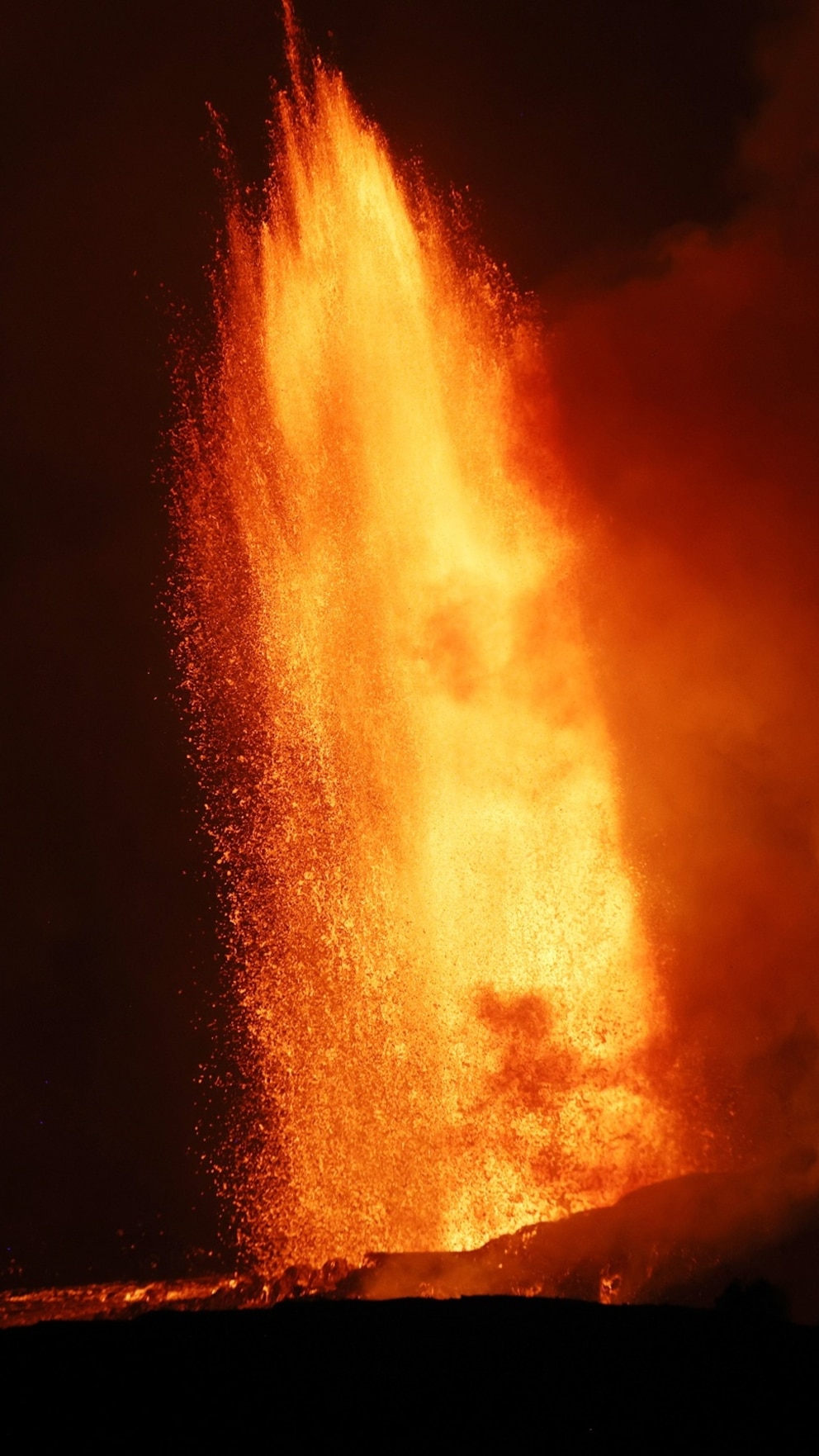
0:24
Lava seen bubbling at Kilauea volcano in Hawaii
Kevin Mazur/Getty Images
ByJulia Jacobo
July 29, 2026, 7:27 PM

One of the most active volcanoes in the world has erupted again, according to volcanologists.

Episode 52 of the current series of eruptions at Hawaii's Kilauea volcano, located on the Big Island, began Tuesday at 7:10 p.m. local time, according to the U.S. Geological Survey (USGS).

Related Articles

MORE: Next Kilauea eruption could begin over Memorial weekend, USGS says

Kilauea's north vent spewed lava up to 500 feet into the air, while plume clouds of heat and ash reached heights of 19,000 feet above sea level, some 3.5 miles, scientists said.

The volcano experienced more than seven hours of continuous fountaining, according to the USGS, officially ending at 2:36 a.m. local time Wednesday.
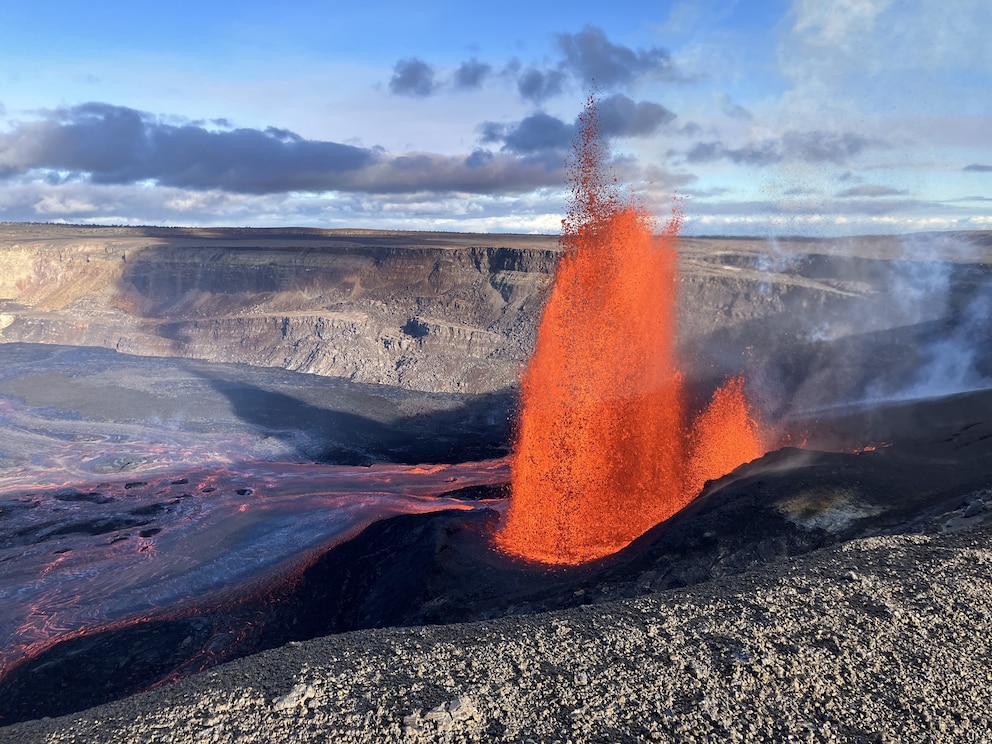
Lava fountains rise over 500 feet above the western rim of Halemaumau crater during the ongoing 25th eruptive episode of the Kilauea summit eruption in Hawaii, June 11, 2025.
M. Zoeller/USGS/Anadolu via Getty Images

The effusion rate – that is, how quickly the lava flowed from the north vent – peaked at 350 cubic yards per second at about 9:15 p.m. local time Tuesday. An estimated 6.1 million cubic yards of lava erupted, covering up to 50% of the Halemaʻumaʻu crater floor at Kilauea's summit, according to the USGS.

Lava flows were confined to the Halemaʻumaʻu crater and the southwest side of Kaluapele, Kīlauea's summit caldera in which Halemaʻumaʻu is located, volcanologists said.

Related Articles

MORE: High lava fountains at Kilauea destroy USGS monitoring camera

During the last four minutes of the eruption, gas and flames were emitted from the north vent, according to the USGS. Although the south vent did not fountain in this episode it did emit flames toward the end of the eruption, the USGS said.
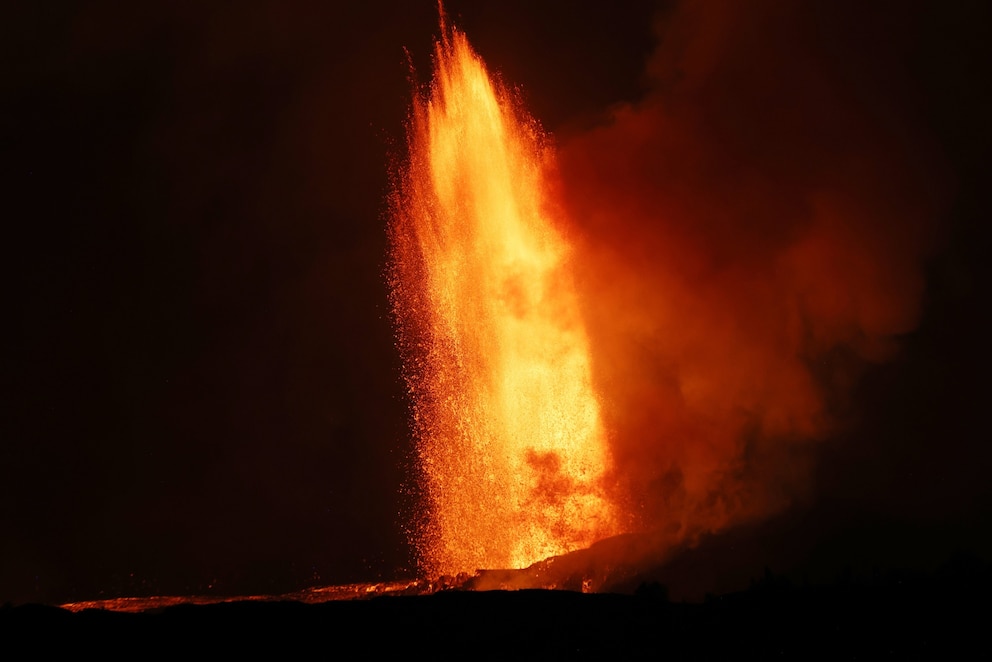
Lava fountains erupt from Kilauea volcano on January 24, 2026 in Kilauea, Hawaii.
Kevin Mazur/Getty Images

While fine ash was detected within public areas of Hawaii Volcanoes National Park, no solid rocks or magma fragments that were ejected during the eruption were reported in any other populated areas.

Kilauea remains at a code yellow, indicating that the volcano is exhibiting signs of elevated unrest at a level greater than known background activity.

Related Articles

MORE: Eruption at Hawaii's Kilauea volcano sends lava shooting 1,000 feet in air

The current series of Kilauea eruptions began in December 2024.

Up Next in News—

Hero teen lifeguard speaks out about viral rescue of 10-year-old boy

August 1, 2026

Teen speaks out after surviving rare barracuda attack

July 31, 2026

Parents expect to spend an average of nearly $900 per child on back-to-school shopping this year: GMA/Ipsos Parents Poll

July 31, 2026

How Apple's new leasing program works: Details

July 29, 2026

Shop GMA Favorites

ABC will receive a commission for purchases made through these links.

Sponsored Content by Taboola

The latest lifestyle and entertainment news and inspiration for how to live your best life - all from Good Morning America.
  • Contests
  • Terms of Use
  • Privacy Policy
  • Do Not Sell My Info
  • Children’s Online Privacy Policy
  • Advertise with us
  • Your US State Privacy Rights
  • Interest-Based Ads
  • About Nielsen Measurement
  • Press
  • Feedback
  • Shop FAQs
  • ABC News
  • ABC
  • All Videos
  • All Topics
  • Sitemap
  • Recalls and Product Safety Alerts

© 2026 ABC News
  • Privacy Policy— 
  • Your US State Privacy Rights— 
  • Children's Online Privacy Policy— 
  • Interest-Based Ads— 
  • Terms of Use— 
  • Do Not Sell My Info— 
  • Contact Us— 
  • Recalls and Product Safety Alerts— 

© 2026 ABC News