A new move in Congress to stop annoying robocalls to your cell phone

Capitol Hill -- Bipartisanship in Congress is rare these days, but on Wednesday lawmakers of every stripe agreed: Something must be done to stop the scourge of illegal and unwanted robocalls to cell phones.
The Senate Commerce Committee approved a new measure, called the TRACED Act, to crack down on scammers who prey on unwitting cell phone users, many masking the origin of their telephone numbers to increase the likelihood of unsolicited calls being accepted -- a practice known as “spoofing.”
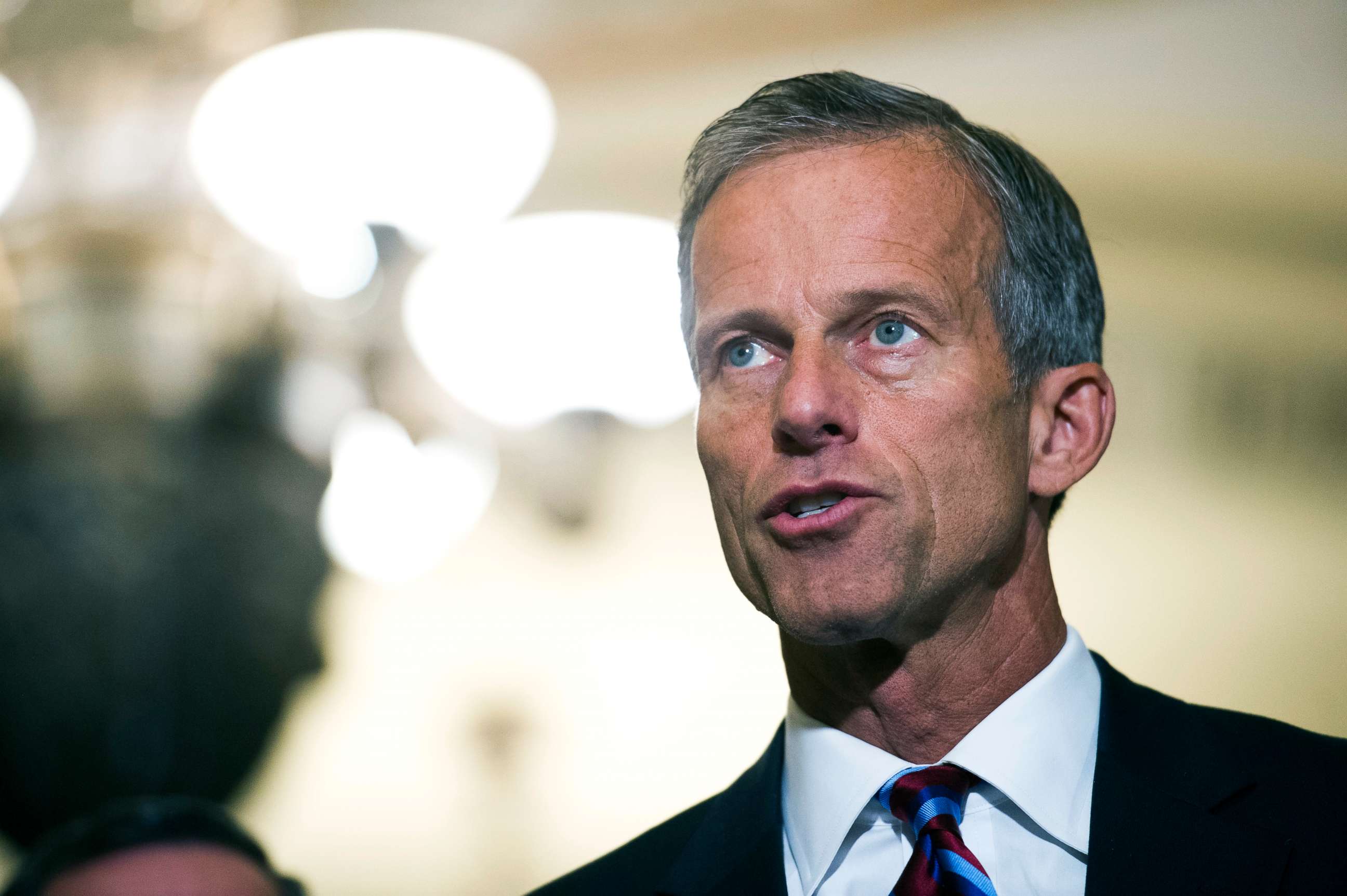
“Half of all calls to cell phones this year will be robocalls,” said Sen. John Thune, R-S.D., the lead sponsor of the Telephone Robocall Abuse Criminal Enforcement and Deterrence Act. Thune said he, too, had received his fair share of the pesky calls.
“This legislation can’t get signed into law soon enough,” Thune said.
One industry estimate by the firm Hiya, as first reported by the Washington Post, says these types of unwanted communication accounted for nearly a third of the 26.3 billion robocalls made to Americans in 2018.
“Our goal is to provide authentication so that consumers know who's calling them,” said Sen. Edward Markey, D-Mass, who authored the bill with Thune. Markey said the measure would slap offenders with “much tougher penalties which the federal government can impose upon these fraudsters, upon these scammers, upon these tricksters who have insinuated themselves into the lives of every single American.”
The Federal Trade Commission's "National Do Not Call Registry" has proved ineffective in the face of a rising problem as millions of consumers can attest. Technology has improved to such a degree, lawmakers said, particularly with regard to reaching cell phones, that senators said it’s time for the laws to catch up.
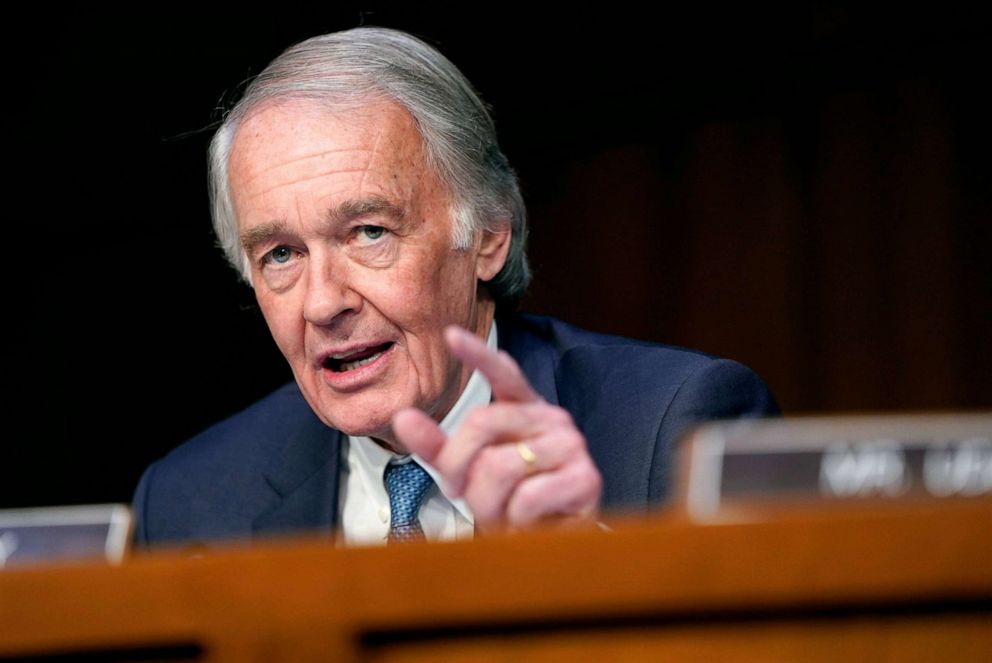
“Since we're seeing such an escalation of the use of technology to disturb people's homes, we need an escalation in technology in order to give people protections in their homes and also on their iPhones,” Markey said, holding out his own phone. “iPhones have now become a place where no longer is privacy protected.”
The legislation, similar to a bill introduced in the House last week by Rep. Frank Pallone, D-N.J., would mandate that major phone carriers, such as AT&T and Verizon, employ technology within roughly 18 months of final passage that would tell consumers the origin of an incoming call and whether that number has been verified. The Pallone bill has an added advantage to consumers: It requires that this service be provided for free.
“We are going to say to the telephone and cable companies that there must be an authentication technology that detects where these calls come from so it's very clear that they don't come from the United States of America … and you don't have to answer that call because you will know where they come from,” Markey said.
In a letter to the committee from all 50 state attorneys general announcing support of the new legislative push, the group warns, “The hardware and software required to make robocalls is easy to obtain, is relatively inexpensive, enables ‘mass-dialing of thousands of calls for pennies,’ and allows telemarketers to fake or ‘spoof’ Caller ID information.”
“Although several providers and third parties offer call blocking and caller identification verification products, virtually anyone can send millions of illegal robocalls and frustrate law enforcement with just a computer, inexpensive software (i.e., auto-dialer and spoofing programs), and an internet connection,” the letter continued.
The FCC Chairman Ajit Pai last year called on phone carriers to act to implement authentication technology, but he did not mandate it.
Lawmakers are now coming together to make these major changes to the system mandatory.