Supreme Court takes on dispute over nuclear waste storage sites

Like a radioactive hot potato, a solution to America's growing stockpile of nuclear waste keeps getting passed around.
The issue lands before the Supreme Court on Wednesday in a dispute from Texas over the federal government's authority to allow temporary storage of spent nuclear fuel at privately owned facilities far from reactors.
The justices are being asked to reject the arrangement, even though it's far from clear where the highly toxic waste would go.
Congress remains at an impasse over plans first approved more than 40 years ago to hold all of the country's nuclear waste at a single permanent, underground federal facility, which has never been completed.
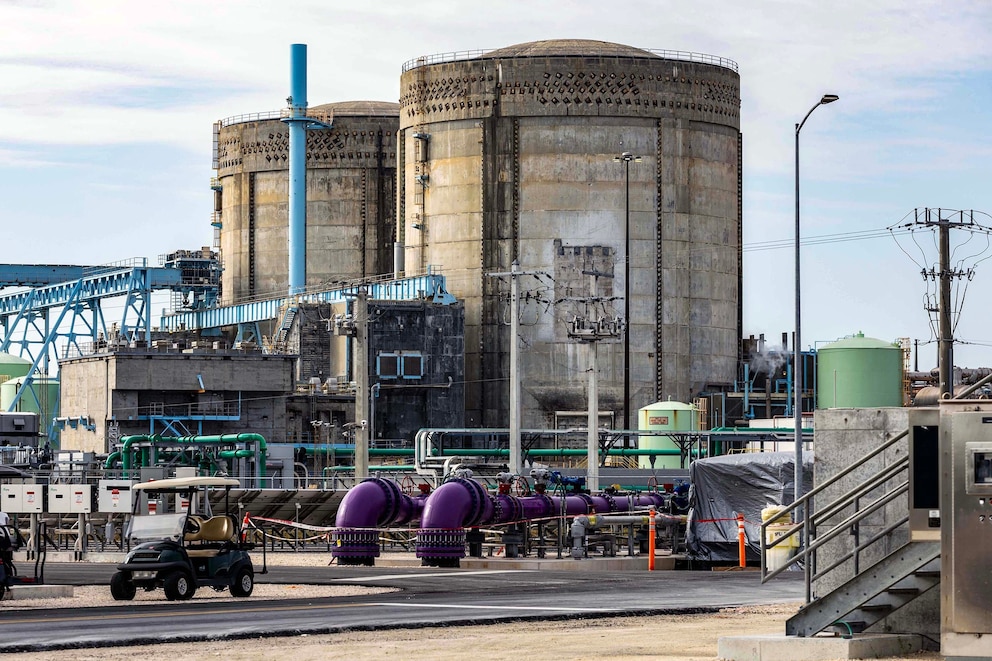
There are more than 91,000 metric tons of radioactive waste from U.S. commercial nuclear power plants, according to the Energy Department. The waste remains dangerous for thousands of years and must be carefully managed.
Plaintiffs in the high court case, including the state of Texas and a group of landowners, are seeking to block Nuclear Regulatory Commission approval of a private nuclear waste storage facility in the Permian Basin, an area rich with oil deposits and limited sources of safe drinking water near the New Mexico border.
Congress in 1954 gave the commission near exclusive control over the possession and transfer of nuclear material in the U.S., including the ability to issue licenses to private entities to store it in its various forms.
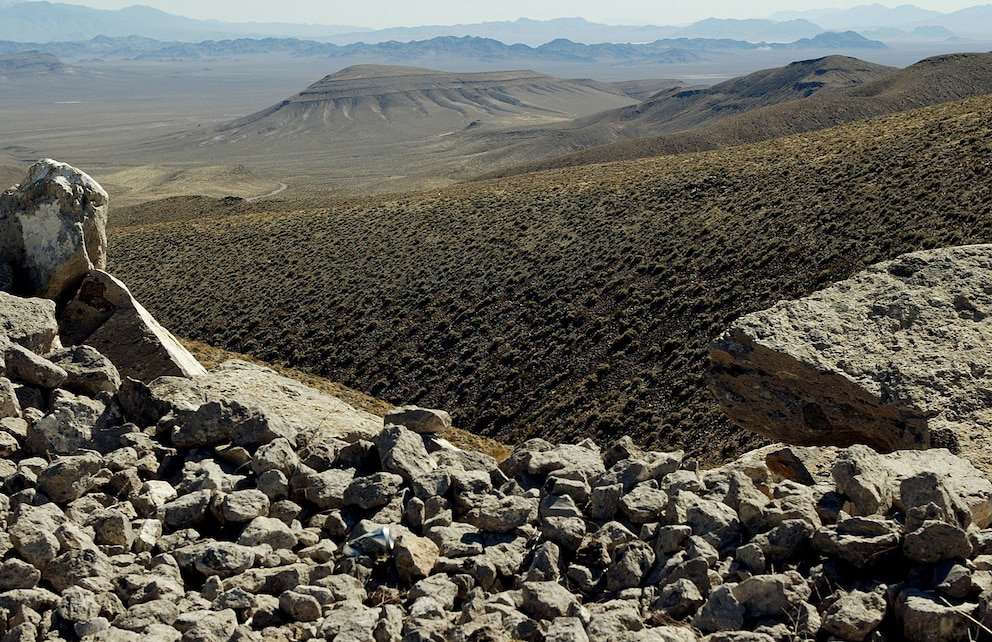
In 1982, lawmakers authorized creation of a federal nuclear waste site, later designated as Yucca Mountain in Nevada, and encouraged interim waste storage by private energy companies at power plants while construction moved forward.
Texas argues that because neither law makes explicit mention of storing nuclear waste at private facilities, far from the reactors where it was generated, the commission lacks the authority to issue a license.
A federal appeals court agreed, blocking construction.
"What to do with the nation's spent nuclear fuel implicates a host of difficult technological, environmental, and political considerations. Thankfully, that policy debate is not this Court's concern," Texas argues in its brief to the high court. "Because Congress has decided how to handle spent nuclear fuel, all that matters is that Yucca Mountain is not in Texas and [a private storage company] is not the federal government."
The commission insists its broad power includes a clear right to authorize temporary, privately run nuclear storage sites and that they are an imperative for the nation.
Roughly 20% of the energy consumed in the U.S. is nuclear powered, resulting in more than 2,000 metric tons of radioactive waste every year. It all has to go somewhere.
"Such storage is essential to continued operations because no currently available or reasonably foreseeable reactor and fuel cycle technology developments have the potential to fundamentally alter the waste management challenge this nation confronts over at least the next several decades," the government argues in court documents.
The contested site in Texas, which would be run by Interim Storage Partners, had been approved by the commission to accept up to 5,000 metric tons of nuclear waste per year for 40 years.
The company told the justices in its legal brief that invalidating government authority to send nuclear waste to privately owned sites would be "destabilizing and potentially devastating to a critical industry at a critical time."
"Utilities are forced to deal with spent nuclear fuel storage issues on a larger scale than anyone would have liked or anticipated," the company wrote.
A ruling in favor of the government would allow the Texas storage facility to move forward. A decision in favor of the state could scuttle the plan and upend previously approved licenses for at least a dozen other privately owned nuclear waste storage locations.
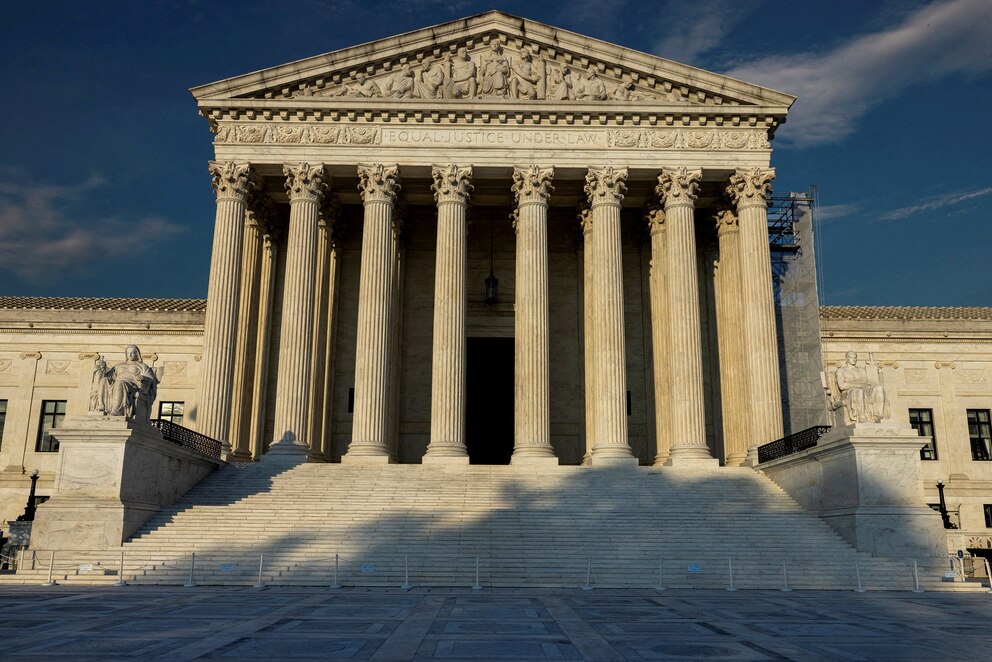
The Supreme Court is expected to hand down a decision by the end of June.