Everything you need to know about Wednesday's super blue blood moon

— -- ABC News will begin live streaming coverage of the Super Blue Blood Moon on Wednesday morning starting at 5:30 a.m. ET. Live reports from Southeast Asia, the Hawaiian islands and the western U.S., as well as footage from NASA and the Virtual Telescope Project will give viewers a front-row seat to the action.
Tune in on ABCNews.com and on the ABC News app! Click here to submit your photos of the super blue blood moon.
A rare celestial phenomenon is taking place, as a super moon, blue moon and total lunar eclipse take place at the same time.
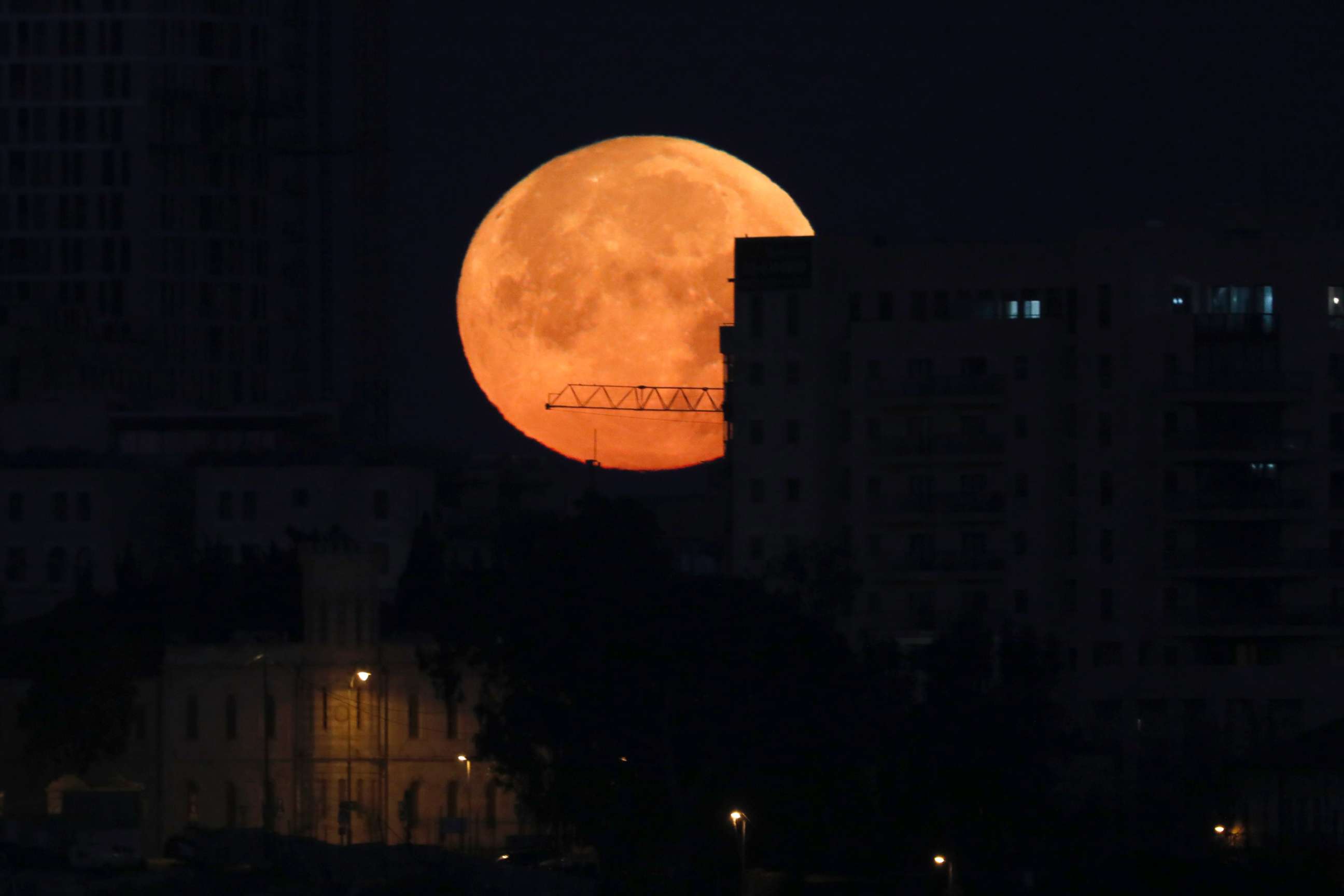
Here's everything you need to know about 2018's super blue blood moon:
Only about half of the U.S. will get a glimpse of the full event
The event will be "best enjoyed by people who are out in the West," Noah Petro, a scientist for the NASA Goddard Space Flight Center, told ABC News.
People in the Mountain time zone and westward, to Alaska, Hawaii and Guam and eastern Asia and Australia will have a "front row seat of the super blue blood moon," Petro said.
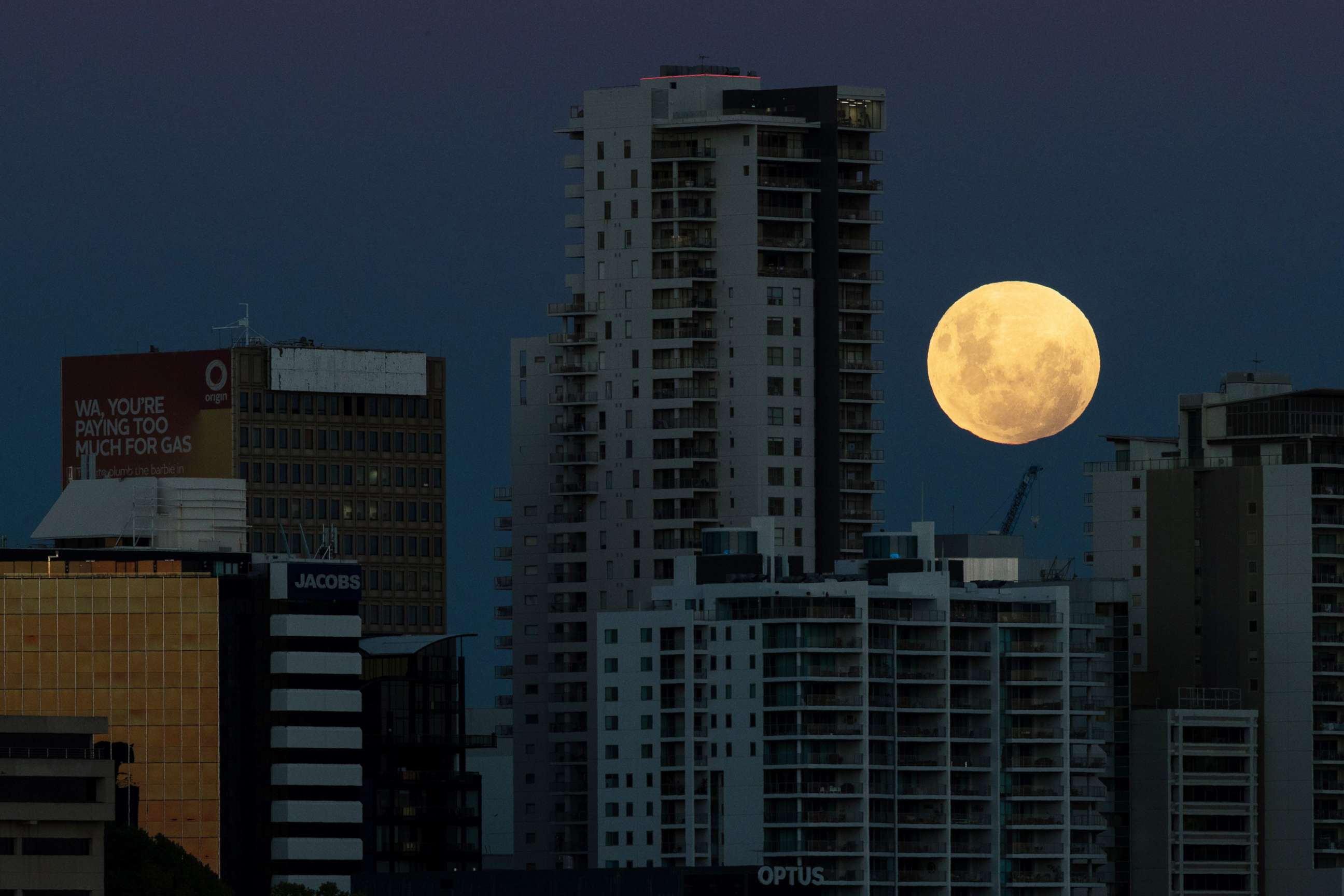
Timing will be of the essence of those in the Central time zone. While they may get a peek of the lunar eclipse, once the sun rises and the moon sets, it will be too bright outside to detect the eclipse, New York City-based photographer Stan Honda told ABC News.
Those on the East Coast won't be completely left out. They will have a full view of the super blue moon, which they should go out to see on Tuesday night, the night before the lunar eclipse, when it will photograph the best, Gabriel Biderman, a professional nighttime photographer and founder of photography group National Parks at Night.
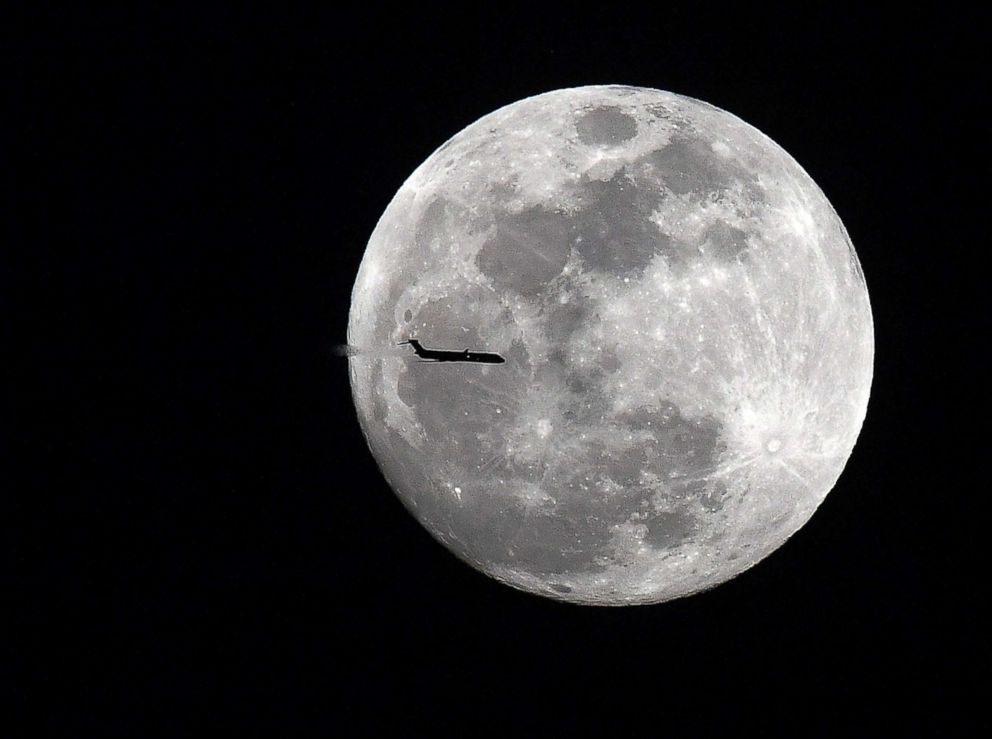
Check when the moon is rising and setting in your home town
Biderman suggests that people find out exactly when the moon is rising and setting in their location to determine the perfect time to go out and see the lunar eclipse.
Those on the West Coast will need to get up at the crack of dawn to catch the super blue blood moon.
In San Francisco, for example, the partial eclipse will begin at 3:48 a.m. and go into total eclipse from 4:51 a.m. to 6:07 a.m., according to NASA.
The farther east you go, the less you'll be able to see. In Chicago, the total lunar eclipse begins at 6:51 a.m., and the maximum eclipse is visible at 6:56 a.m. The moon will then set at 7:03 a.m., and the lunar eclipse will no longer be visible.
Expect a "stunning" event
When stargazers look to the western sky for the event, they will first see the moon dimming as it passes into the Earth's shadow, Petro said.
The sky will then get dark, and the moon will transform into a "beautiful" red color once it is completely submerged in the earth's shadow, he said.
What is a super blue blood moon?
The super blue blood moon is simply the coincidence of three lunar events: A super moon, a blood moon and a blue moon, Petro said.
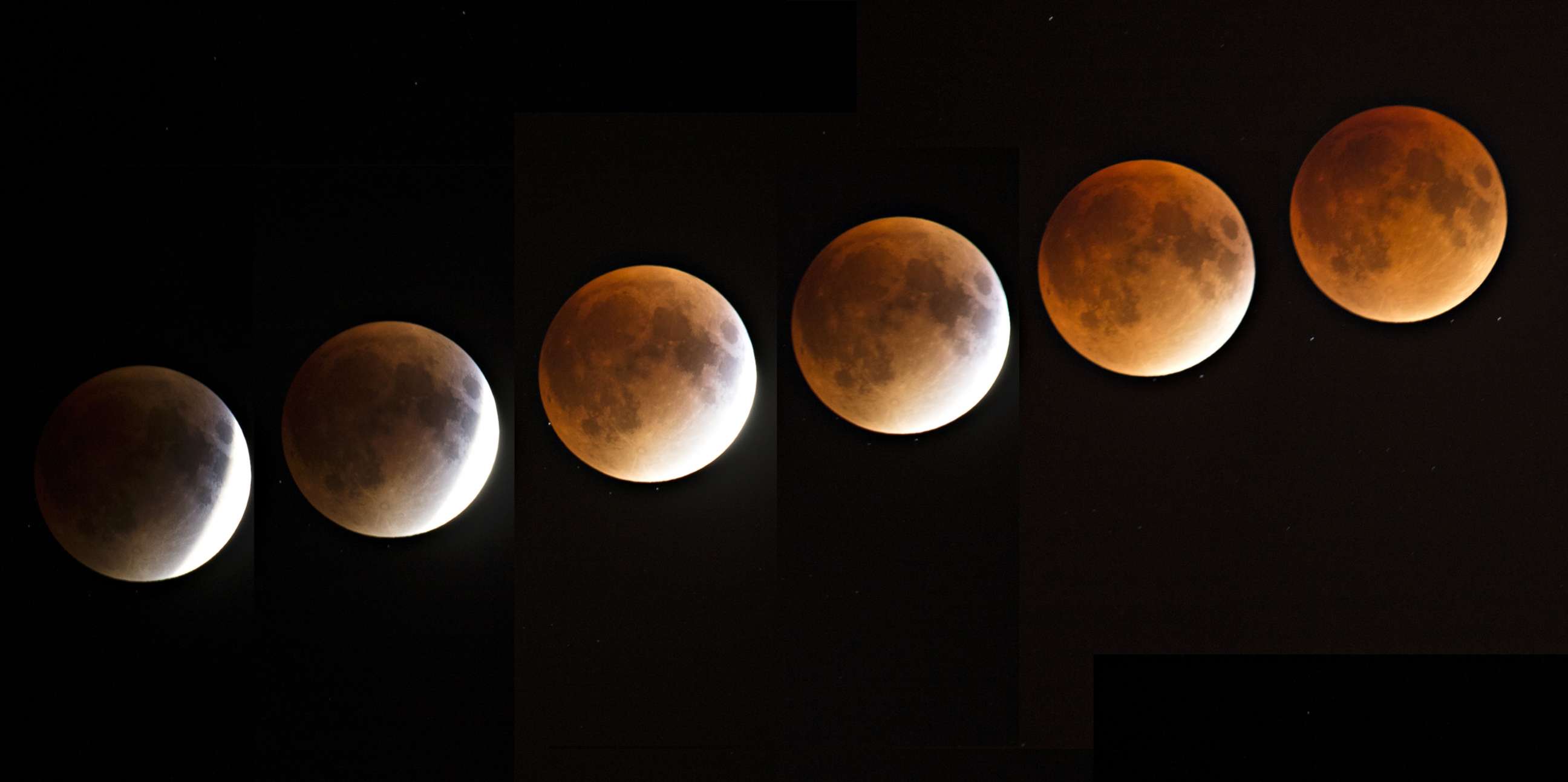
A blood moon is a term used to describe a total lunar eclipse, which is when the moon appears darkened as it passes through the Earth's shadow. The total lunar eclipse is given the "blood" nickname because of the "beautiful" red color caused by the projection of all of the Earth's sunrises and sunsets onto its surface, Petro said. The next lunar eclipse visible in the U.S. will be on Jan. 21, 2019, according to NASA. It won't be a blue moon, but it will be a super moon.
A super moon is a full moon or new moon that coincides with the moon's position at its closest to the Earth. Wednesday's super moon will be the second-closest full moon of the year, after the one that occurred on Jan. 1, Petro said. It will also be part of a "trilogy" of recent super moons, the first of which occurred on Dec. 3, according to NASA.
A blue moon is merely a "quirk in the calendar," as the second full moon in a month, Petro said, adding that there is "nothing really to see there."