How the US Navy could enforce a blockade of Iran's ports in the Strait of Hormuz
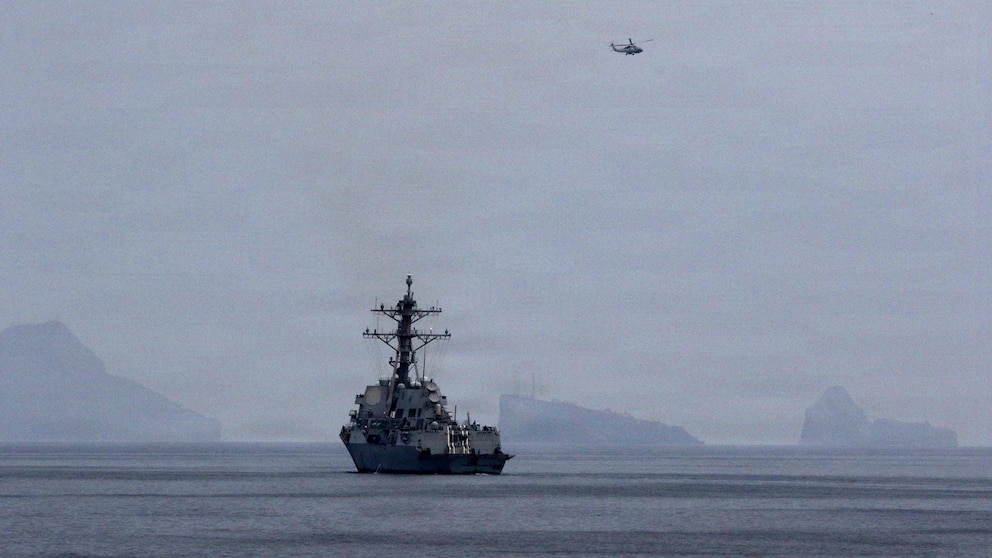
The U.S. Navy's blockade of Iranian ports in the Strait of Hormuz marks a sharp escalation of tensions, shifting the American military toward direct maritime enforcement in a critical global shipping artery.
Enforcement of President Donald Trump's order would depend heavily on intelligence and real-time situational awareness, military analysts told ABC News.
"It's on the low side of the risk spectrum," said Clayton Seigle of the Center for Strategic and International Studies, comparing it with options such as seizing Iran's Kharg Island oil terminal.
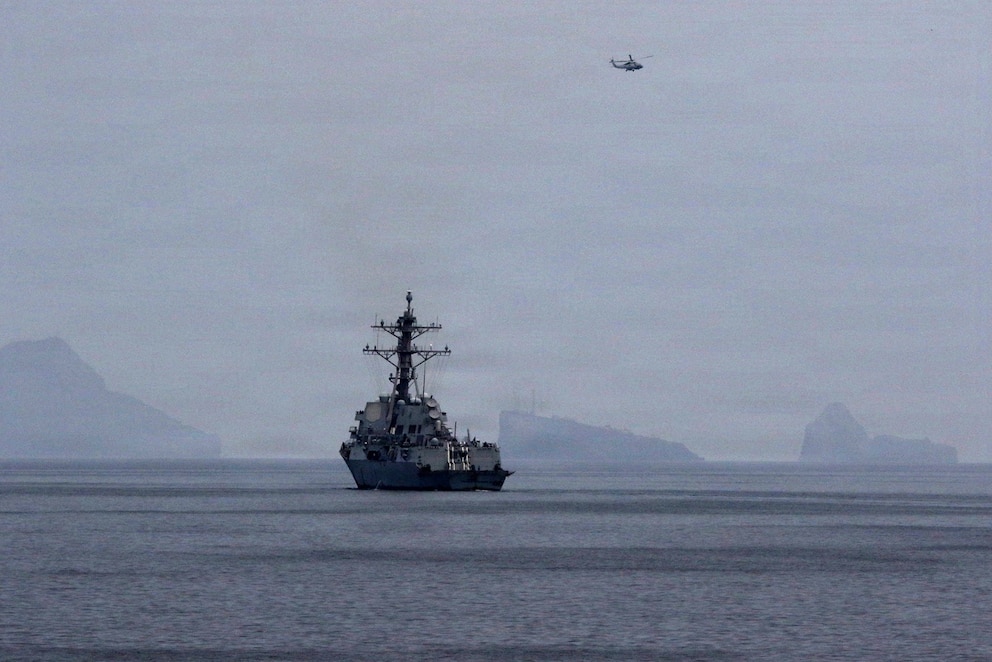
Even so, experts caution that the operation carries considerable risk. Miscommunication, they note, could quickly spiral, particularly if Iranian forces interpret movements as hostile, raising the risk of rapid escalation and military response.
Much of the U.S. mission, the analysts say, hinges on how effectively it can identify and track vessels tied to Iran.
Maritime tracking isn't foolproof, as ships can spoof or manipulate tracking systems to obscure their origin, destination and cargo.
"A ship will show it's loading in Saudi Arabia, but it's actually loading in Iran," Seigle said.
Movements and blockade makeup
ABC News is tracking 16 U.S. warships in the region, including 11 destroyers mostly positioned in the Arabian Sea, but none is inside the Persian Gulf.
U.S. forces can conduct search and boarding operations against vessels suspected of violating the blockade but applying that authority in one of the world's busiest shipping lanes could prove problematic.
A U.S. official tells ABC News that the U.S. Navy will use a broad range of capabilities and equipment to enforce a blockade.
That could include surface warships, reconnaissance drones, intelligence, and surveillance aircraft.
The U.S. footprint in the region also includes the 31st Marine Expeditionary Unit, which brings ship-seizure and boarding capabilities.
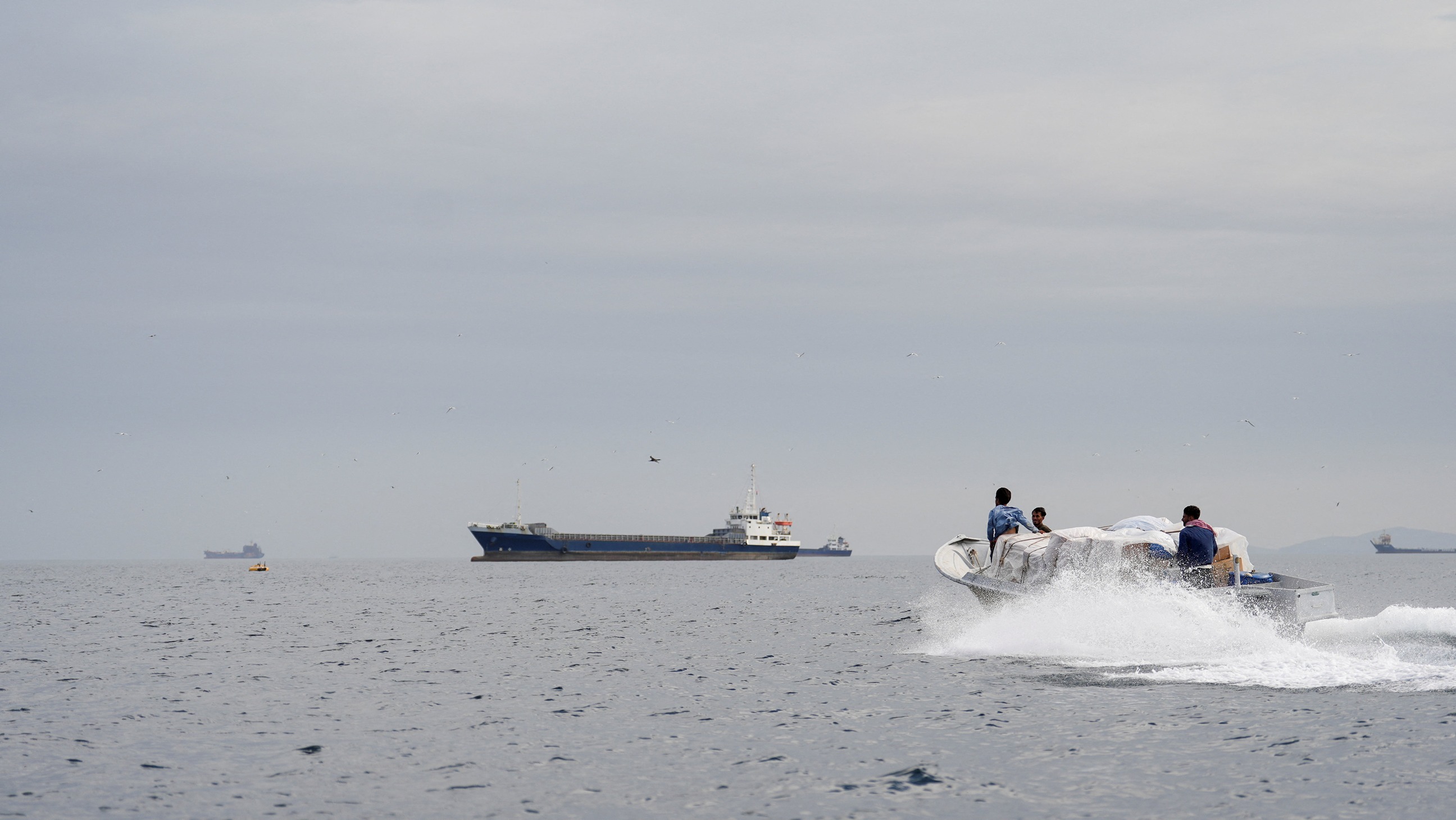
Boarding operations would likely rely on smaller, more maneuverable U.S. assets, including rigid-hull boats and helicopters, to rapidly intercept and inspect vessels.
"This is not a law enforcement action, it's a wartime action," said Mark Nevitt, a former U.S. Navy judge advocate general officer and an associate professor at Emory University School of Law.
A blockade, he added, is designed to prevent vessels or aircraft from entering or leaving ports, a shift in posture that carries different legal and operational thresholds than routine maritime policing.
Ships that fail to comply with boarding demands, Nevitt said, could be met with warning shots or so-called disabling fire aimed at critical systems, including engines or navigation equipment, to stop movement.
President Trump's plan to stop vessels involved with Iran, even into international waters, could make it harder for the blockade to achieve its goals, experts warn.
"That's a bigger aperture. So, that's a little harder to execute. That may take a little bit longer as well, but we know the regime is somewhat dependent upon money made from the movement of oil, and they may be hard pressed to try their toll booth stunt in the face of firepower," said Steven Wills, an analyst at the Center for Maritime Strategy and 20-year Navy veteran.
Wills said focusing on ships directly loading from or headed to Iranian ports would be more straightforward than a broader effort targeting vessels that may have paid transit tolls.
"I think they're much more interested in actual ships carrying oil cargo out of Iran or trying to go in there to fill up in the first place," Wills said. "Adding a larger number of ships, perhaps those that pay the toll, is just going to complicate the blockade mission more. But maybe more nations will feel emboldened now to ignore the toll and just keep going."
State of the Strait
Iran continues to lay claim to the Strait of Hormuz, using low-cost and long-range Shahed drones to attack or threaten vessels attempting to cross the strait without coordination with the Iranian military.
The International Maritime Organization (IMO) counts 20,000 civilian seafarers stuck on vessels in the Persian Gulf, "facing dwindling supplies, fatigue and severe psychological stress."
The IMO, now part of a U.N. task force to bring humanitarian aid to those in the strait, has called on the U.S. to support an evacuation of those in the Gulf and establish humanitarian corridors for assistance.
After weekend negotiations in Pakistan failed, international mediators were pushing to get both sides back to the table. President Trump posted on social media that the U.S. military remains "LOCKED AND LOADED" to continue attacks on "the little that is left of Iran."