Future of fashion: Will COVID-19 change fashion as we know it?
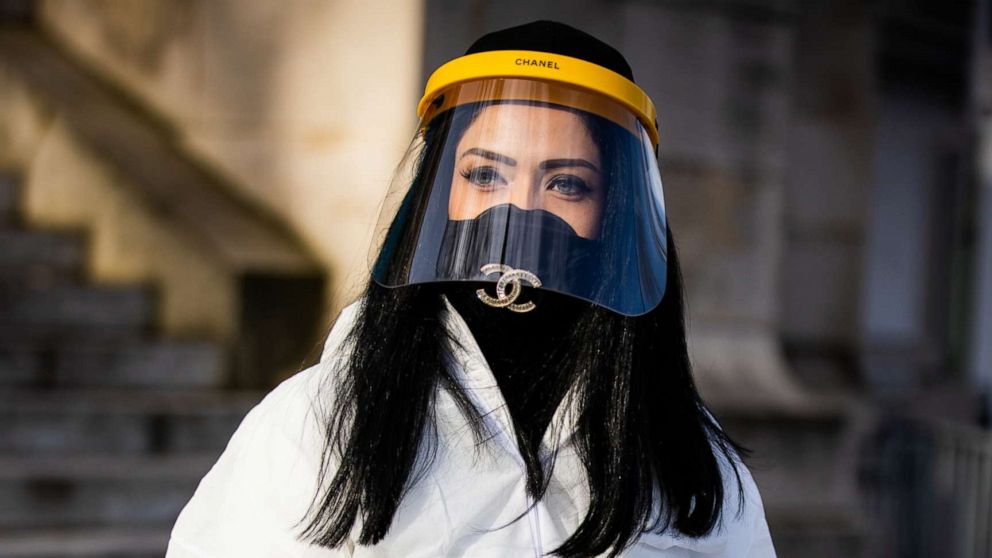
COVID-19 has disrupted all facets of the economy and the fashion industry is no exception.
With over 38 million people currently unemployed, leisure fashion has taken a backseat in favor of necessities.
Buying the latest designer shoe or handbag isn’t exactly top of mind in a pandemic, and experts predict this “recession economy mindset” will have major ripple effects on shopping patterns, spending, and the success of major brands.
"Consumers are likely to cut back on fashion-related spending, particularly of the high-end variety," said Paul Sheard, a senior fellow at Harvard Kennedy School. "In a recession, people have less money to spend, in a world of 'social distancing' they have fewer flashy events to go to, and in a post-pandemic world the mood is likely to be more reflective and subdued."
"In a world of rising inequality, 'the 1%' flaunting its wealth will not be cool," he added.
The impact on fashion may be even stronger now than during the 2007-2009 financial crisis, when the unemployment rate went up from 4.4% to 10.0% over nearly 2 1/2 years, according to Sheard. Fast forward to the present, and in just two months, the unemployment rate has gone up from 3.5% to 14.7%-- resulting in a dip in fashion retail spending across all markets high and low. Sales are estimated to decline $450 billion to $600 million worldwide compared to 2019 levels, according to Boston Consulting Group.
Looking at the 2007-2008 recession, research shows that overall sales for the luxury goods industry was impacted by less than 10% due to the ongoing buying power of wealthy Chinese consumers, according to Bain & Company. There also was a fairly rapid rebound in overall spending throughout the years that followed.
However, COVID-19 could strike key differences as Chinese consumers are just as heavily impacted by the coronavirus global crisis than they were in the financial crisis that struck Americans.
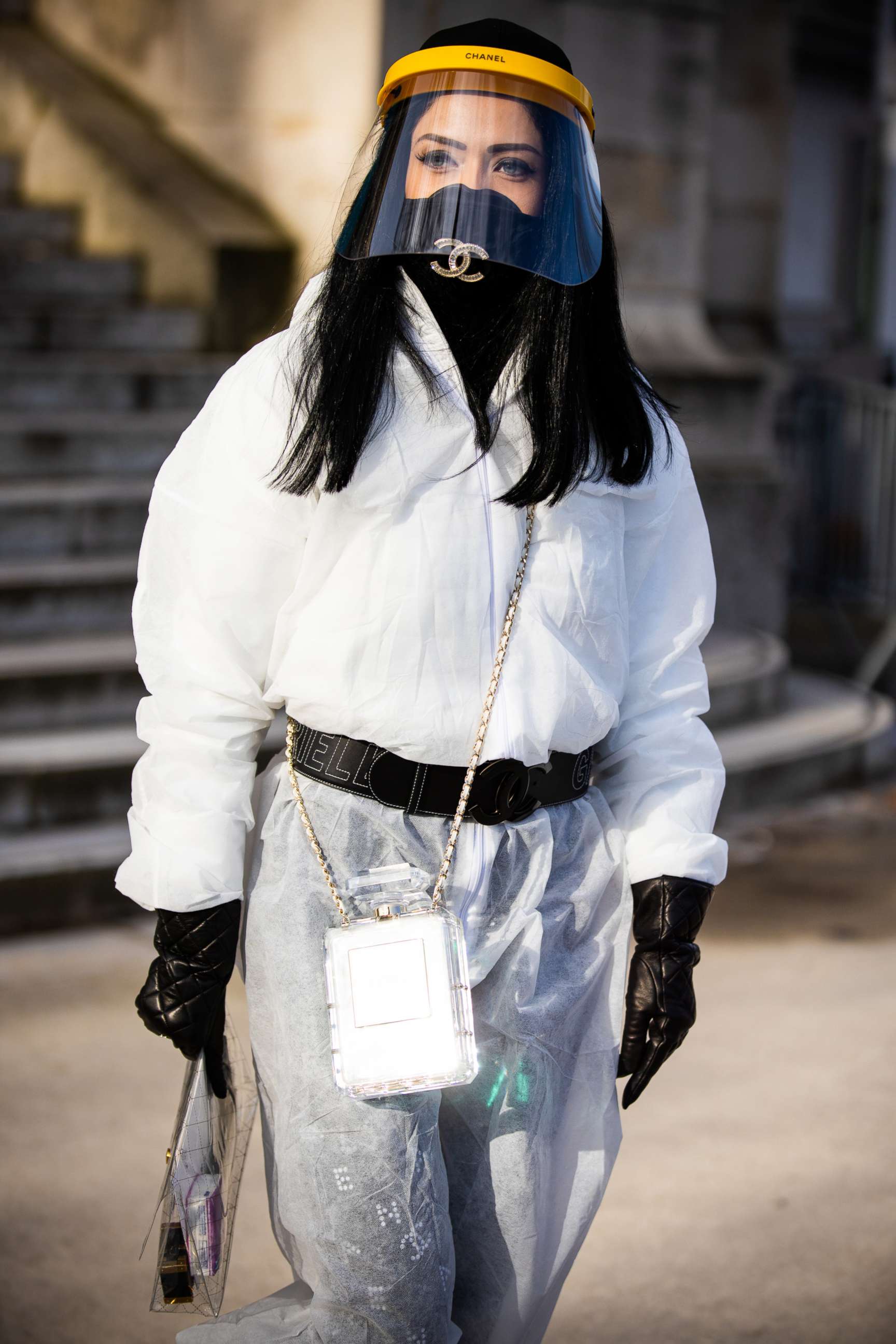
While experts agree there may always be a place for luxury goods, there will also be fewer people with disposable income for it. "For better or worse, people's priorities have changed," Fashion historian Kimberly Chrisman-Campbell told "GMA."
In contrast, physical department stores are in a challenging space. Most recently, brick-and-mortar stores such as J.Crew, Neiman Marcus, and JC Penny filed for Chapter 11 bankruptcy due to declining sales that existed before the pandemic and were heightened by coronavirus closures.
Sheard warned that more bankruptcies and business failures won't be as gradual. "Even with the unprecedented monetary and fiscal policy support, with this big a collapse in economic activity and revenue, many companies will not be able to survive, particularly if they are loaded up with debt," he said.
A survey conducted by retail predictive analytics company First Insight found that 65% of women said they will not feel safe trying on clothes in dressing rooms due to the COVID-19 crisis. It also found that 54% of men said they do not feel safe using dressing rooms.
Reopening plans from go-to apparel suppliers such as Nike, Gap Inc. and Macy's include precautions to address these concerns, from sanitation stations within stores, curbside pickup options, contactless checkout transactions and quarantined returns.
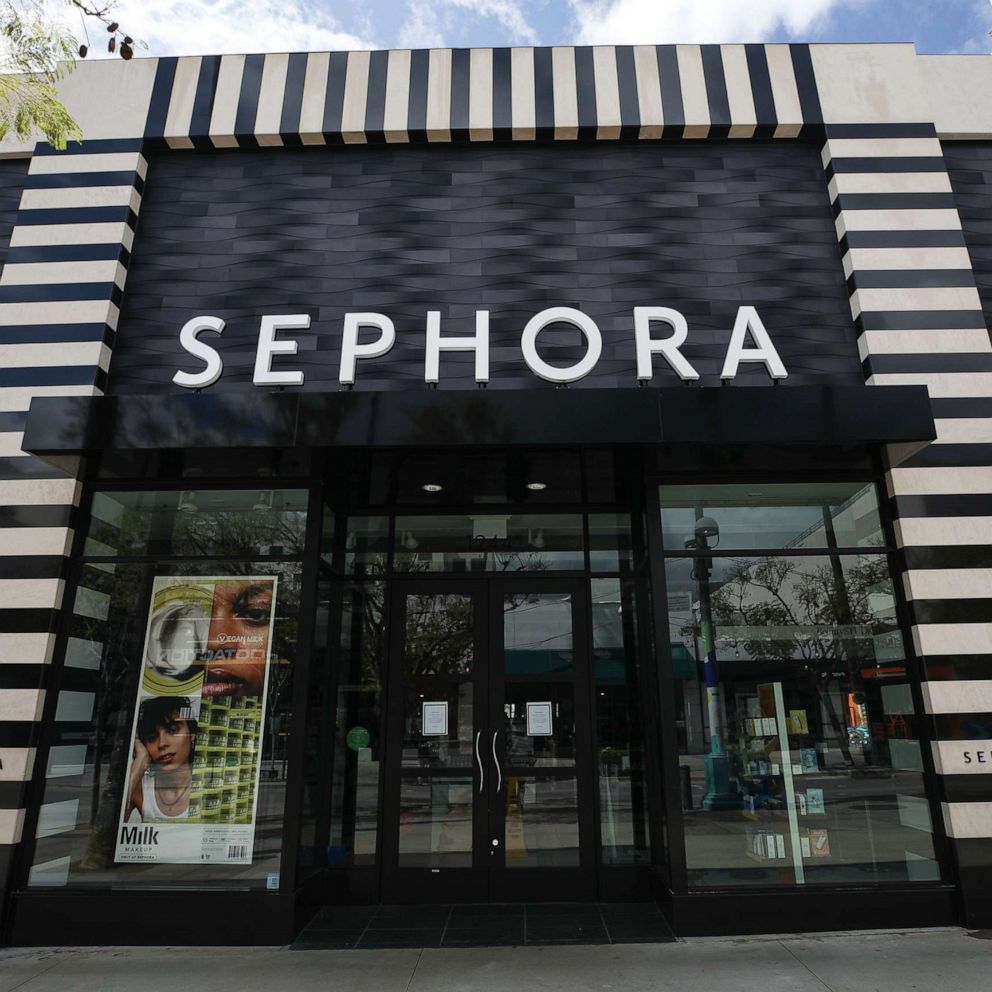
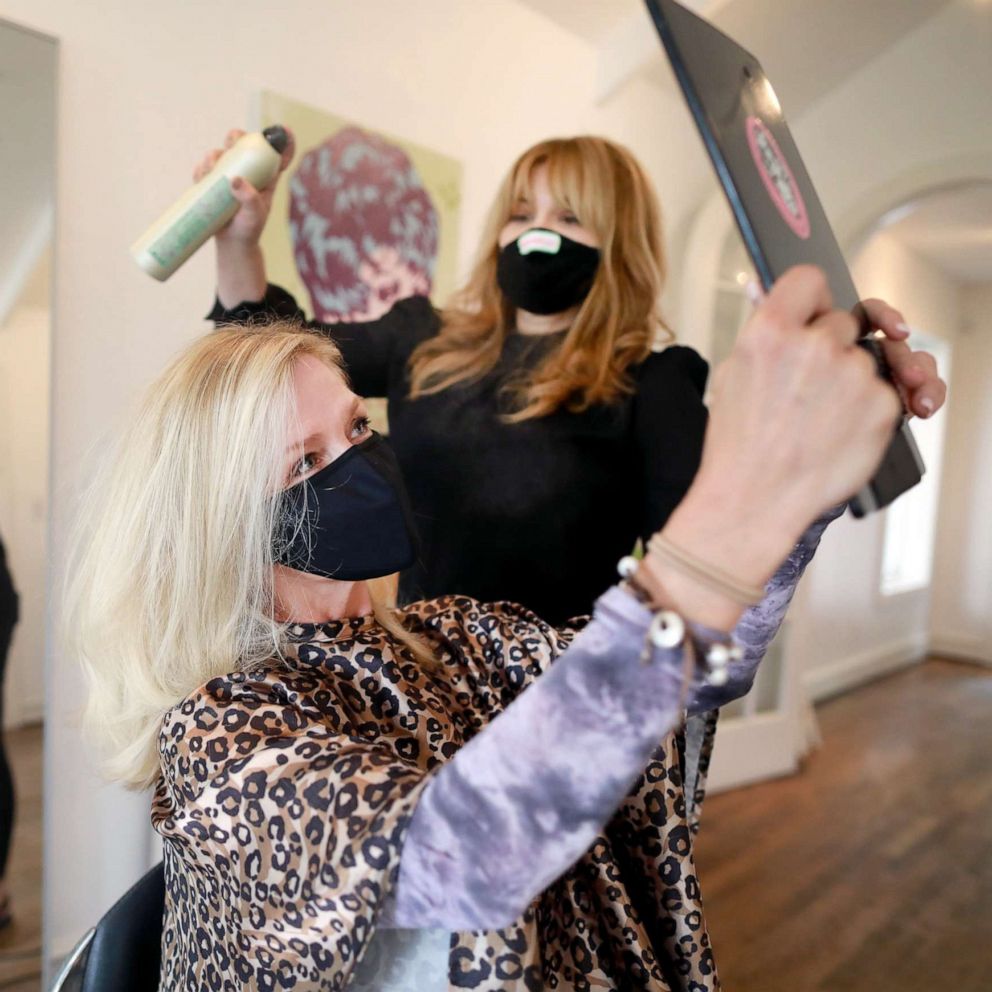
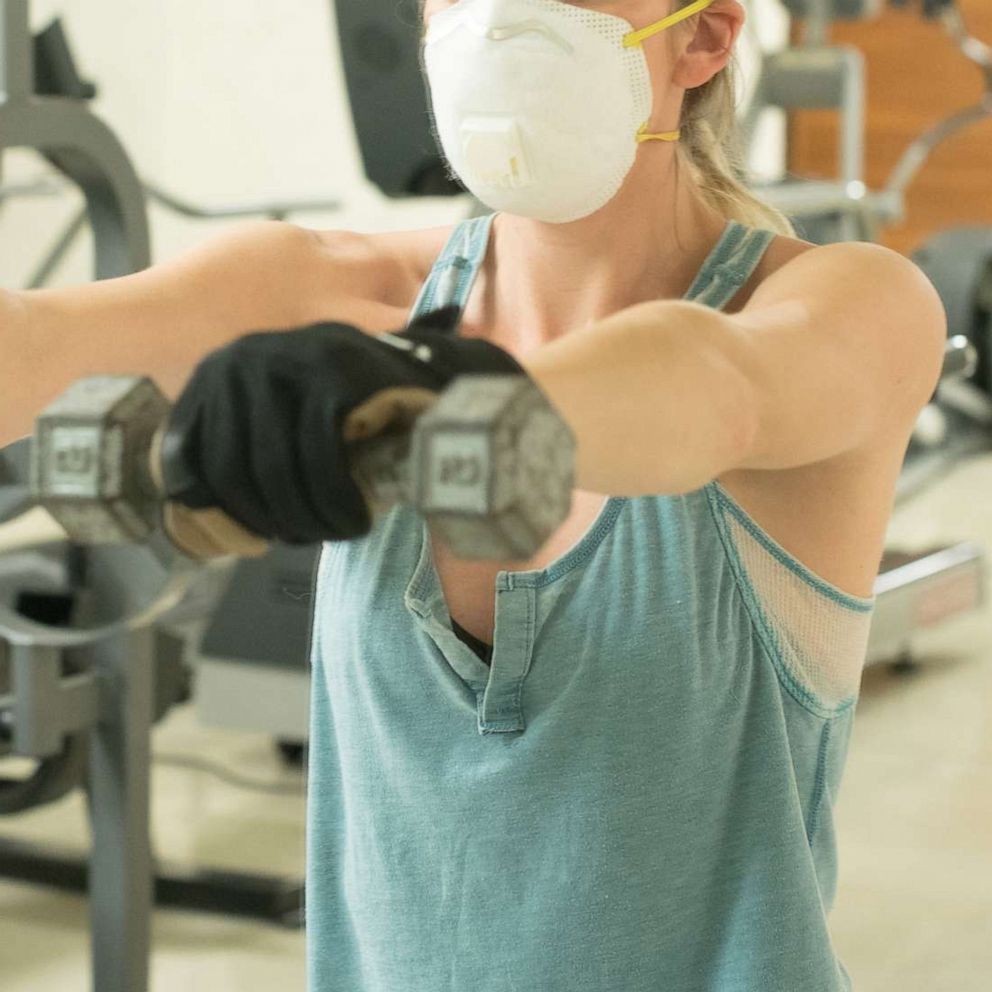
Routine store cleanings along with enforced social distancing and limited customer entry are all a part of the new normal shopping experience.
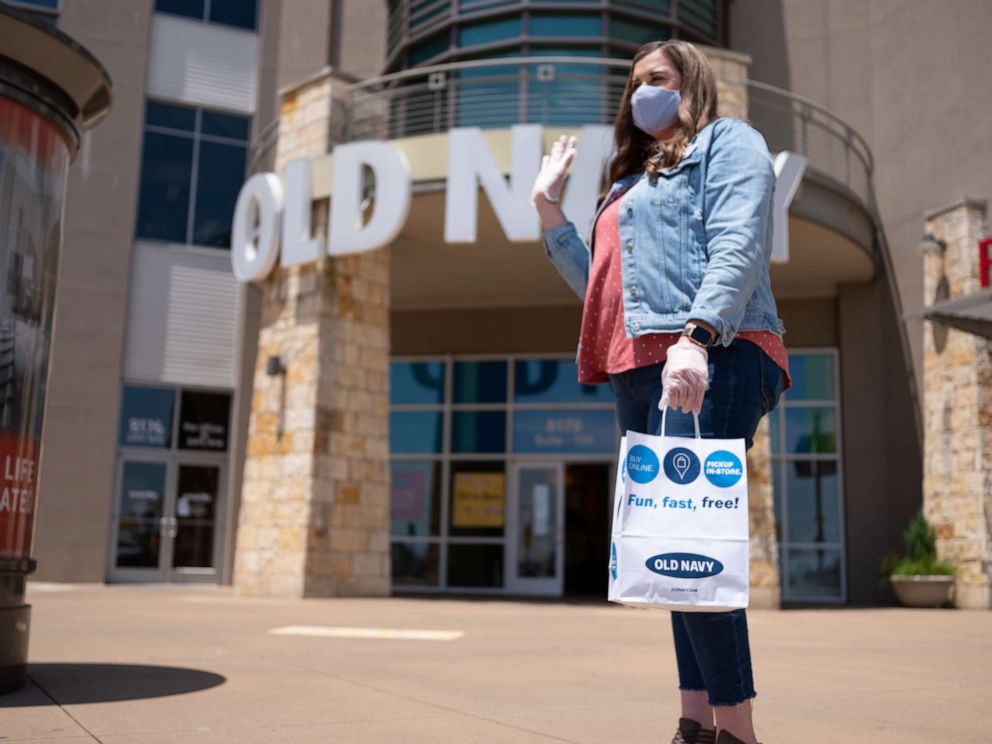
“As Gap Inc. prepares to reopen up to 800 stores by end of May, our top priority remains the health and safety of our employees, customers and communities," Gap Inc. chief executive officer, Sonia Syngal told "GMA." "As stores begin to reopen, we are actively working to deliver an in-store shopping experience that brings our customers confidence during this time."
Fast fashion may be a bright spot, but will trends survive?
While equally impacted by stay-at-home orders and government-enforced shutdowns, popular fast-fashion brands have been able to elevate because they have the bandwidth (and budget-friendly price tag) to rapidly shift gears and offer items people need now.
"Our supply chain is fast, so when a demand is placed in front of us, we are able to react and deliver quickly," Fashion Nova CEO Richard Saghian told "GMA." "Speed and reaction are what keeps our customers loyal and allows us to grow."
Fashion historian, archivist, adviser and administrator for fashion studies at Fordham University Allison Pfingst, said that while the pandemic has had an enormous impact on people's income, the unethically low price point of fast fashion isn't going to lose its appeal.
"However, I think it's very possible that the pace of fast fashion will slow both in terms of production and consumption," said Pfingst. "Fast fashion relies on a global supply chain that has been dramatically affected by the spread of COVID-19. I don't think brands will be able to rely on the same consistent, constant international production and distribution they had previously."
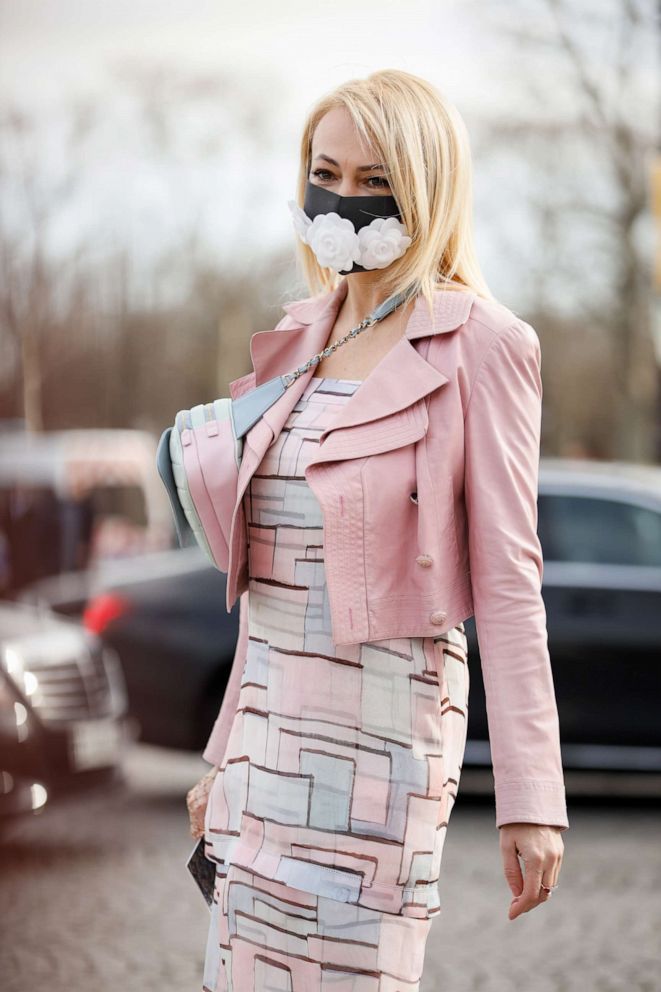
Several experts agree that capsule wardrobes and heightened attention to timeless classics will continue to emerge to the forefront of fashion.