How high gas prices are affecting US drivers in various cities ahead of Memorial Day weekend
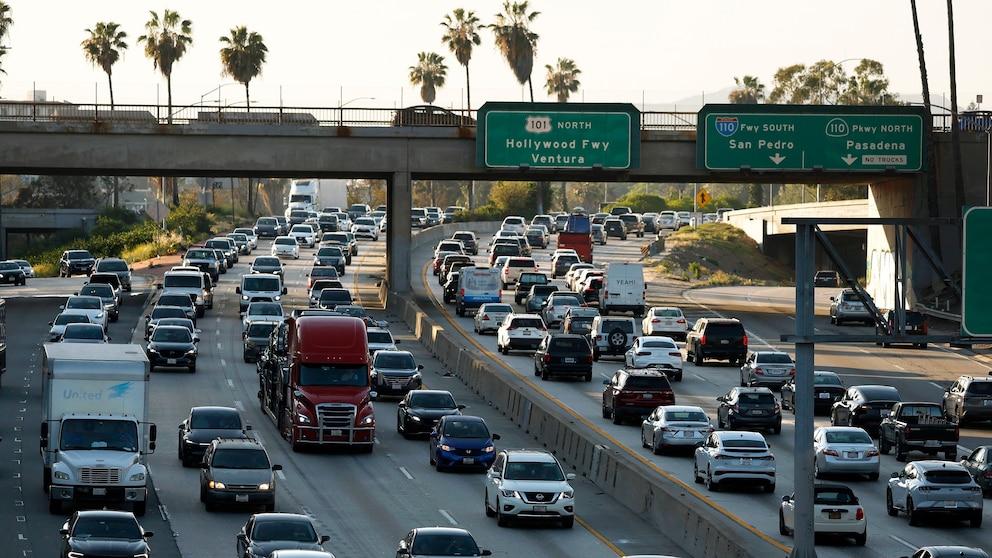

Anyone gearing up to hit the road this Memorial Day weekend is likely feeling the pinch at the pump, as U.S. gas prices have skyrocketed amid the war in Iran, with the national average for a gallon of regular gas reaching $4.56, according to AAA.
In parts of California, the cost to fill up a tank of regular gas has exceeded $6 per gallon, according to fuel price tracking platform GasBuddy, with other states like Texas seeing prices in some major cities above $4 and parts of the New York tri-state area surpassing $4.50.
Despite the high price of gas, AAA predicts the holiday weekend will see 39.1 million people traveling by car.
For commuters in high traffic regions like the San Francisco Bay Area, Los Angeles, Dallas-Fort Worth, or Washington, D.C., experts at GasBuddy say they could be looking at spending nearly $100 more per month with prices where they are now compared to a year ago.
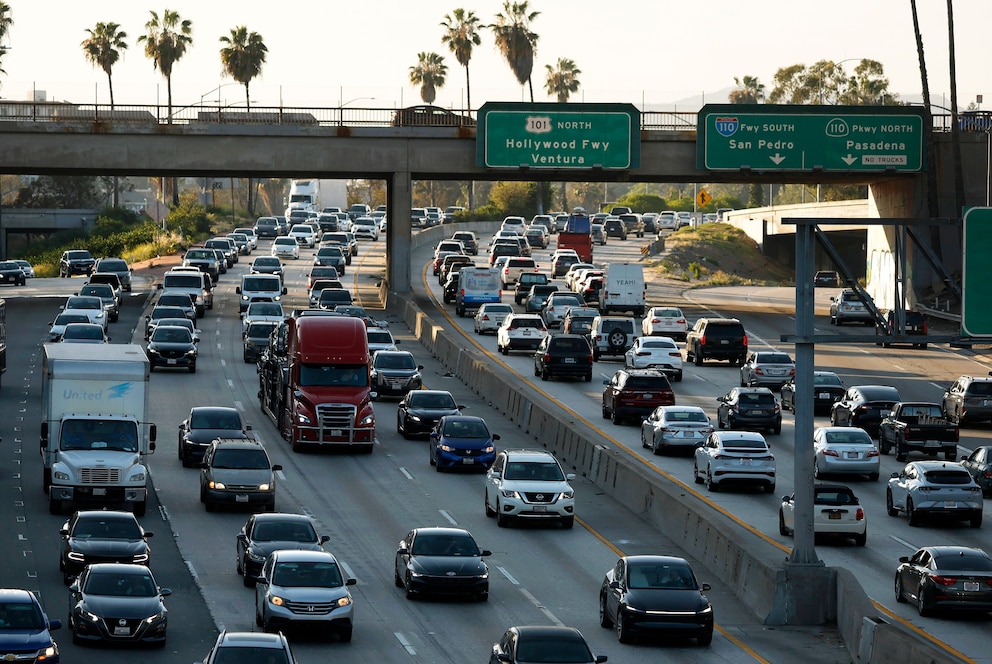
Patrick De Haan, head of petroleum analysis at GasBuddy, described the price increases in recent weeks as "pretty close to historic" and particularly rough on daily commuters.
"The average fill up today is about $15 to $30 more expensive than it was a year ago," he said. "If you're one of these high commuters that lives 50 to 100 miles away, and you're filling up two to three times a week, you're talking about $50 to $100 more every month filling up. And ultra-long commuters, it's even more impactful than that."
According to the Census Bureau, 68.7% of U.S. workers drive alone to work, which was down slightly from 2019 following the COVID-19 pandemic.
Census Bureau data shows 9.3% of workers over the age of 16 report traveling 60 minutes or more for their jobs. Workers over the age of 16 spend just over 27 minutes commuting on average, the federal agency also reported.
In April 2026, the average price for regular gasoline increased by 12.8% from March, up $4.10 per gallon, according to the Bureau of Transportation Statistics. The price for a gallon of gas last month was 29.4% higher than in April 2025.
De Haan said he's crunched the numbers and found gasoline has cost American consumers $28 billion more since March 1.
"North of $20 billion of that is probably due to the Iran war," he said. "Some of it is seasonal, but certainly a significant economic impact -- we're in the thick of this."
BTS data for April 2026 showed the year-over-year average price of regular motor gasoline was up by more than 25% in all major regions of the U.S.
- West Coast: $5.38 (up 26.5%)
- Central Atlantic: $4.08 (up 30.1%)
- New England: $3.98 (up 35.3%)
- Rocky Mountain: $3.94 (up 25.6%)
- Lower Atlantic: $3.86 (up 30.5%)
- Midwest: $3.83 (up 26.5%)
- Gulf Coast: $3.71 (up 35.2%)
"Looking at where prices are highest regionally, the West Coast right now and the Great Lakes are the most expensive regions in the country," De Haan said. "The West coast [is] generally the most expensive region consistently over the course of the year."
Gas prices also change seasonally, De Haan pointed out.
"Typically, prices peak just ahead of the summer in April or May, and then they usually cool off as supplies build over the summer, prices usually slowly decline," he said. "Obviously, this year is going to be a bit different because of the Strait of Hormuz being shut down. And this summer, we would probably see prices continuing to slowly climb until the strait is reopened. Or until global demand decreases."
He added that the U.S. is only "55 cents a gallon away from reaching a new all-time record."
Ultimately for commuters putting more of their hard-earned paychecks towards fuel, De Haan said, "it means that they have less disposable income for discretionary purposes," which could "lead to potential contraction on the US economy" because they "have less to spend on other areas of the economy."
"Certainly [that] could lead to a bit of an economic slowdown depending on how bad it gets," he said.
Another imperative fuel factor to consider outside of the daily commute is the fate of diesel fuel prices, which impacts everything from the farms that grow food to the trucks that transport it to manufacturers and grocery stores.
With just 20 cents to go until diesel hits a new all-time high, which De Haan said he predicts will happen "in the next week or so," the rising cost of diesel is "detrimental to the broader economy because the U.S. economy is really fueled by diesel, much more than gasoline."