CDC sends team to New York to investigate polio case

The Centers for Disease Control and Prevention has deployed a federal team to New York to investigate the case of polio detected in Rockland County.
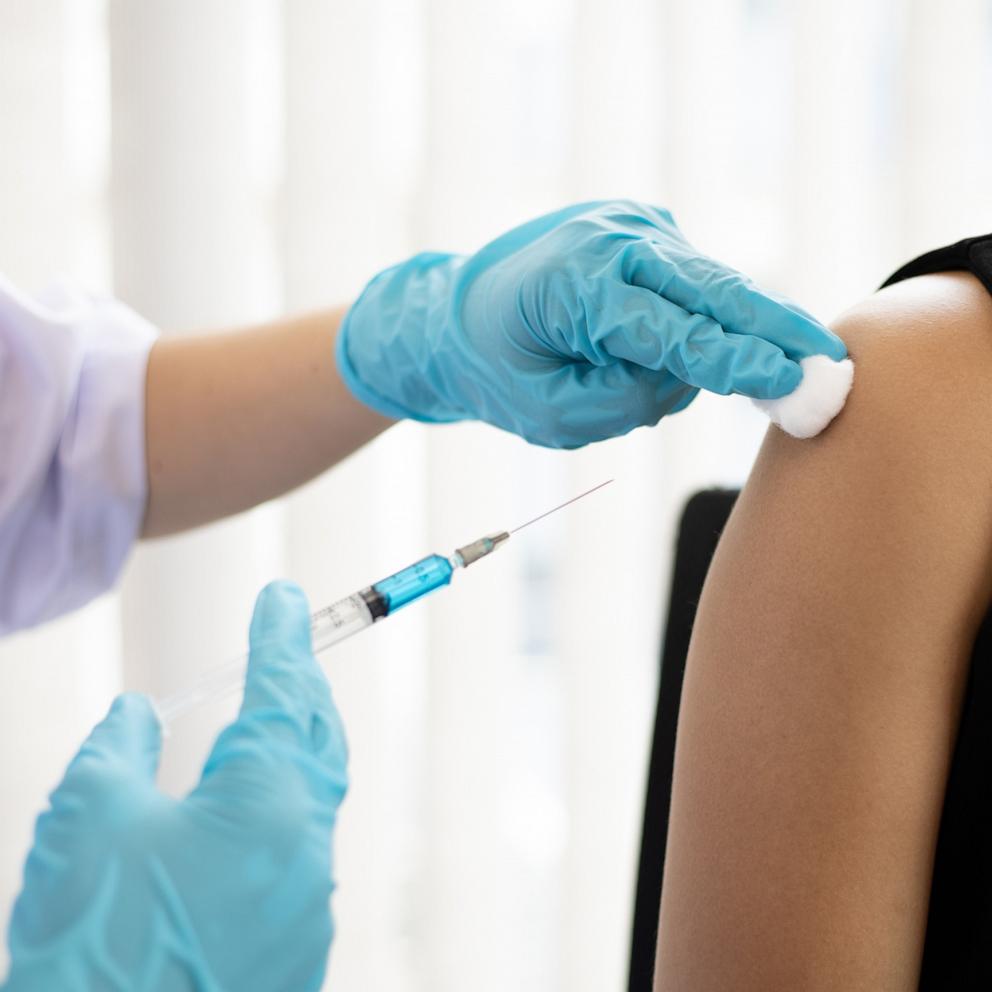
The team will also help administer vaccinations in the county.
It's unclear how long the CDC will remain in the county or if the findings will be released to the public.
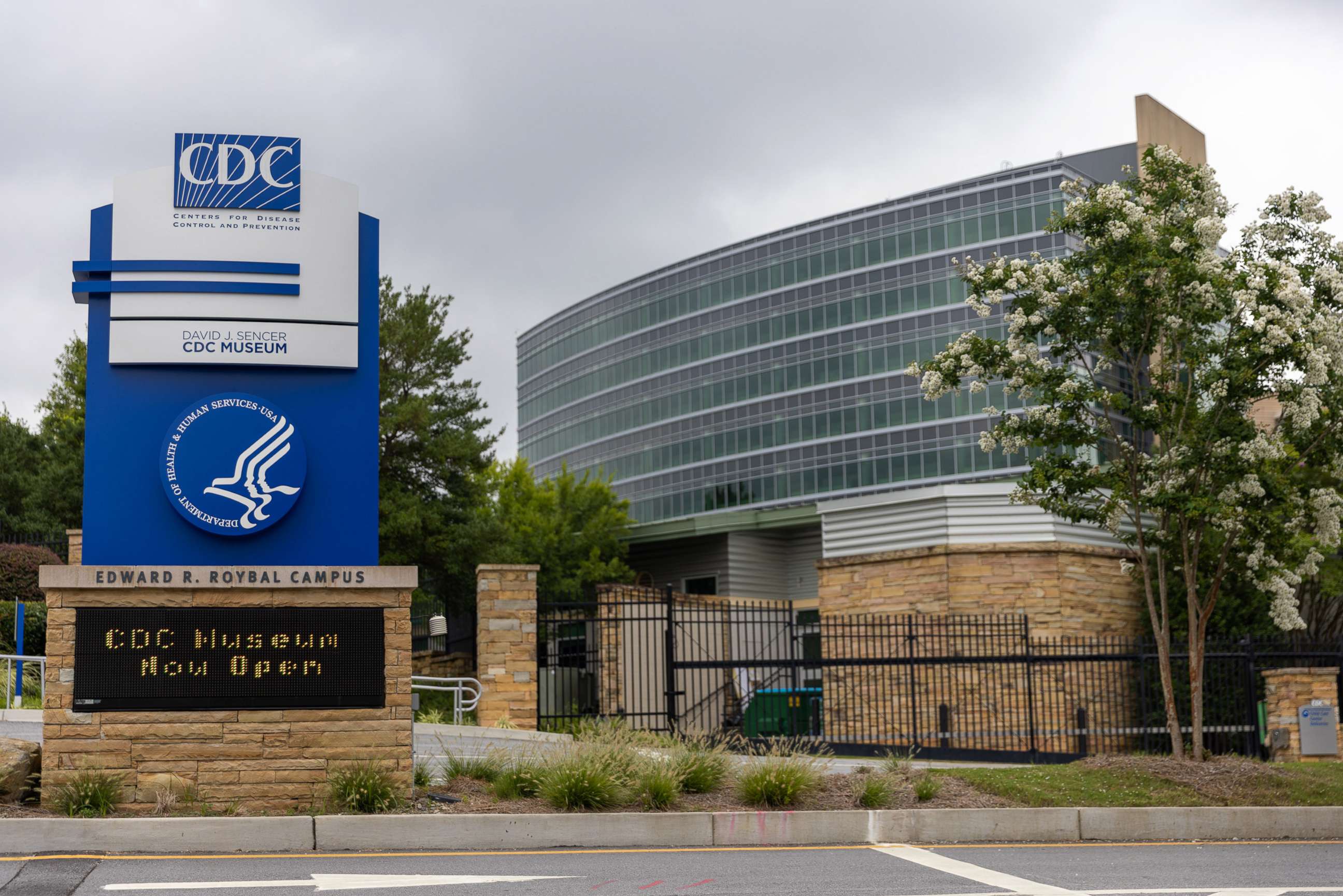
"CDC continues to collaborate with the New York State Department of Health to investigate a recent case of paralytic polio in an unvaccinated individual from Rockland County," the federal health agency said in a statement to ABC News. "These efforts include ongoing testing of wastewater samples to monitor for poliovirus and deploying a small team to New York to assist on the ground with the investigation and vaccination efforts."
On July 21, the New York State Health Department announced a patient in Rockland County had contracted a case of vaccine-derived polio, the first case in the United States in nearly a decade.
This means the unvaccinated patient was infected by someone who received the oral polio vaccine, which is no longer used in the U.S.
Unlike the polio vaccine given by injection, which uses an inactive virus, the oral vaccine uses a live weakened virus.
In rare cases, the virus can be spread when an unvaccinated person is exposed to contaminated fecal matter. This is different from wild polio, which infects people by circulating naturally in the environment.
Since then, it's been revealed the patient was a previously healthy 20-year-old man who had traveled to Europe. He was diagnosed after he went to the hospital when he developed paralysis in his legs.
Last week, the state health commissioner said "hundreds" of people in New York could be infected after the virus was found in wastewater samples in multiple counties.
As of Aug. 5, 11 samples were genetically linked to the Rockland County patient including six samples collected in June and July from Rockland County and five samples collected in July from nearby Orange County, health department data shows.
"Although no additional cases have been identified at this time, these results indicate there is more than one person shedding the virus in their stool in these communities," the CDC's statement read. "These individuals might have no symptoms or only mild symptoms, such as a sore throat and fever, but they can unknowingly still spread polio to those who are not protected by vaccination."
New York State Health Commissioner Dr. Mary Bassett called on anybody who hasn't received the polio vaccine to do so.
The statewide rate of polio vaccination is 78.96% while the Rockland County rate sits at 60.34%, state data shows. In Orange County, the rate is even lower at 58.66%.
"Based on earlier polio outbreaks, New Yorkers should know that for every one case of paralytic polio observed, there may be hundreds of other people infected," Bassett said in a statement Thursday. "Coupled with the latest wastewater findings, the Department is treating the single case of polio as just the tip of the iceberg of much greater potential spread."
The statement continued, "We must meet this moment by ensuring that adults, including pregnant people, and young children by 2 months of age are up to date with their immunization -- the safe protection against this debilitating virus that every New Yorker needs."
Health officials say most Americans are protected from polio infection because they were vaccinated against the disease during routine childhood immunizations.
Editor's Note: This story has been updated to clarify how polio can be transmitted.