Where COVID cases are increasing in the US amid summer 'bump'

COVID-19 cases are rising in several regions of the United States as summer gets underway.
For the week ending June 29, the latest date for which data is available, COVID test positivity was 9% across the U.S., an increase of 0.8% from the previous week, according to data from the Centers for Disease Control and Prevention. This is higher than levels seen during early May 2024 but lower than several points during the pandemic.
Test positivity was highest in the Southwest and western U.S. with 15.7% positivity in the region comprised of Arizona, California and Nevada, CDC data showed.
Additionally, wastewater data from the CDC shows that COVID viral activity is low nationally but has been steadily rising over the last month-and-a-half. For the week ending June 22, levels were classified as "high" in the West and "moderate" in the South.
Wastewater tracking is often used as an early detection tool for monitoring potential future upticks, although it can be inconsistent.

Dr. William Schaffner, a professor of preventive medicine at Vanderbilt University Medical Center, said the country has traditionally seen increases in COVID every summer, so a "bump" at this point in the year was to be expected, as experts had predicted.
"We had anticipated that there would be something of a summer bump because we have seen that in the past ... COVID hangs around during the summer and even gets a little more active, unlike influenza, which virtually disappears during the summertime," he told ABC News. "Now this bump will go down, and then, of course, we'll get the conventional winter surge later."
Weekly hospitalizations are still near record lows but have been ticking up over the past few weeks, according to CDC data. The highest rates are among those aged 65 and older with a rate of 7.7 per 100,000 for the week ending June 15, the latest date for which data is complete.
Comparatively, adults between ages 18 to 49 and children aged 4 and under have a rate of 0.5 per 100,000, the data showed.
Schaffner said the groups making up hospitalizations are those with chronic illnesses -- such as heart disease or lung disease -- or those who are immunocompromised.
"Particularly older people … with chronic illnesses, the immune-compromised, particularly if they are not up to date in their vaccination, that's the population we see now contributing to that bump in hospitalizations," he said.
Meanwhile, deaths have been steadily dropping since January of this year and continue to remain low, CDC data indicate. For the week ending June 8 -- the latest date for which complete data is available because deaths are subject to reporting delays -- just 283 COVID deaths were reported, which is a record low.
Currently, KP.2 and KP.3, offshoots of the omicron variant, are the dominant COVID-19 variants in the U.S. making up nearly half of all cases.
CDC officials told ABC News in a statement on Monday that there is "no evidence that KP.2, KP.3, or any other recent variant, causes more severe disease."
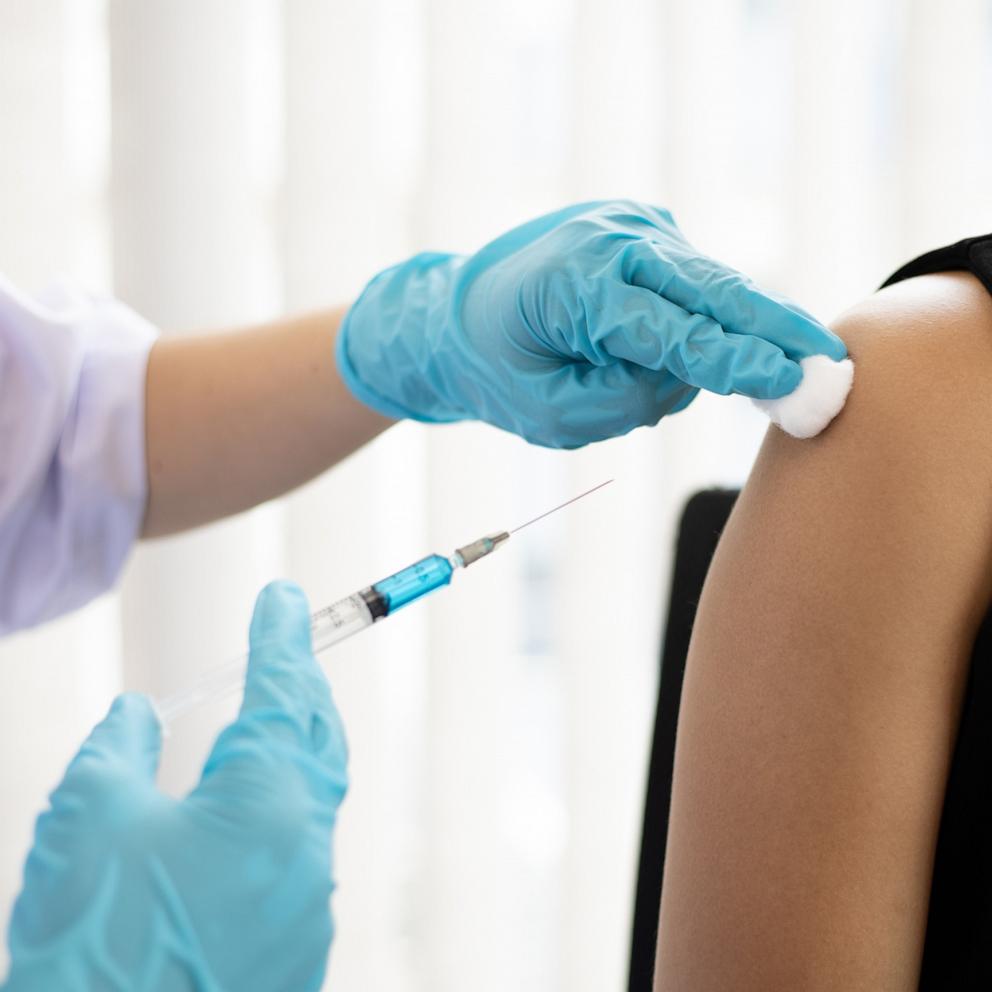
The CDC added that it is tracking all variants and recommended vaccination as the most effective way to prevent severe illness from COVID-19.

Schaffner agreed that the best way to prevent severe illness is to be up to date on vaccinations. High-risk groups that haven't received a COVID-19 vaccine since last fall are currently eligible for another dose to carry them through the summer.
"Be sure this fall, when we have yet another updated vaccine, to get that vaccine along with your influenza vaccine," he said. "We update both of them now on an annual basis, and that should be certainly a fall routine for all of us, but especially people in high-risk groups."
He recommended those in high-risk groups, or people who will be around high-risk groups, to consider masking in indoor crowded areas, and – if they test positive – to receive early treatment with antiviral medication such as Paxlovid.
ABC News' Youri Bendadjaoud contributed to this report.