Dixie D'Amelio reveals she has premenstrual dysphoric disorder: What to know about the condition

TikTok star and singer Dixie D'Amelio is shining a spotlight on a lesser-known condition that impacts some women during their menstrual cycle.
D'Amelio, 21, revealed to her fans that she has been diagnosed with premenstrual dysphoric disorder (PMDD), a condition that can cause severe irritability, depression and anxiety, according to the U.S. Office on Women's Health.
"Once a month, for about two weeks, I go into this dark spiral of like a depression, no one cares about me, I'm doing everything wrong, I'm not proud of myself and cut everyone out," D'Amelio said on the "Pretty Basic" podcast. "It changes my whole entire brain, and also I snap out of it so quickly."
D'Amelio said she was just recently diagnosed with PMDD after struggling for years with the symptoms, which she said impacted her relationships.
"I look back, like, oh that's why I can't keep a friendship or a relationship stable because I'm so back and forth between thinking the whole world is against me and having a normal brain where everything is like, 'no, that's not true,' " she said. "I think everyone just thought I was a b**** and I'm like, no, I know this isn't me. I don't know why I'm so angry all the time and attacking people because that's not how I feel."
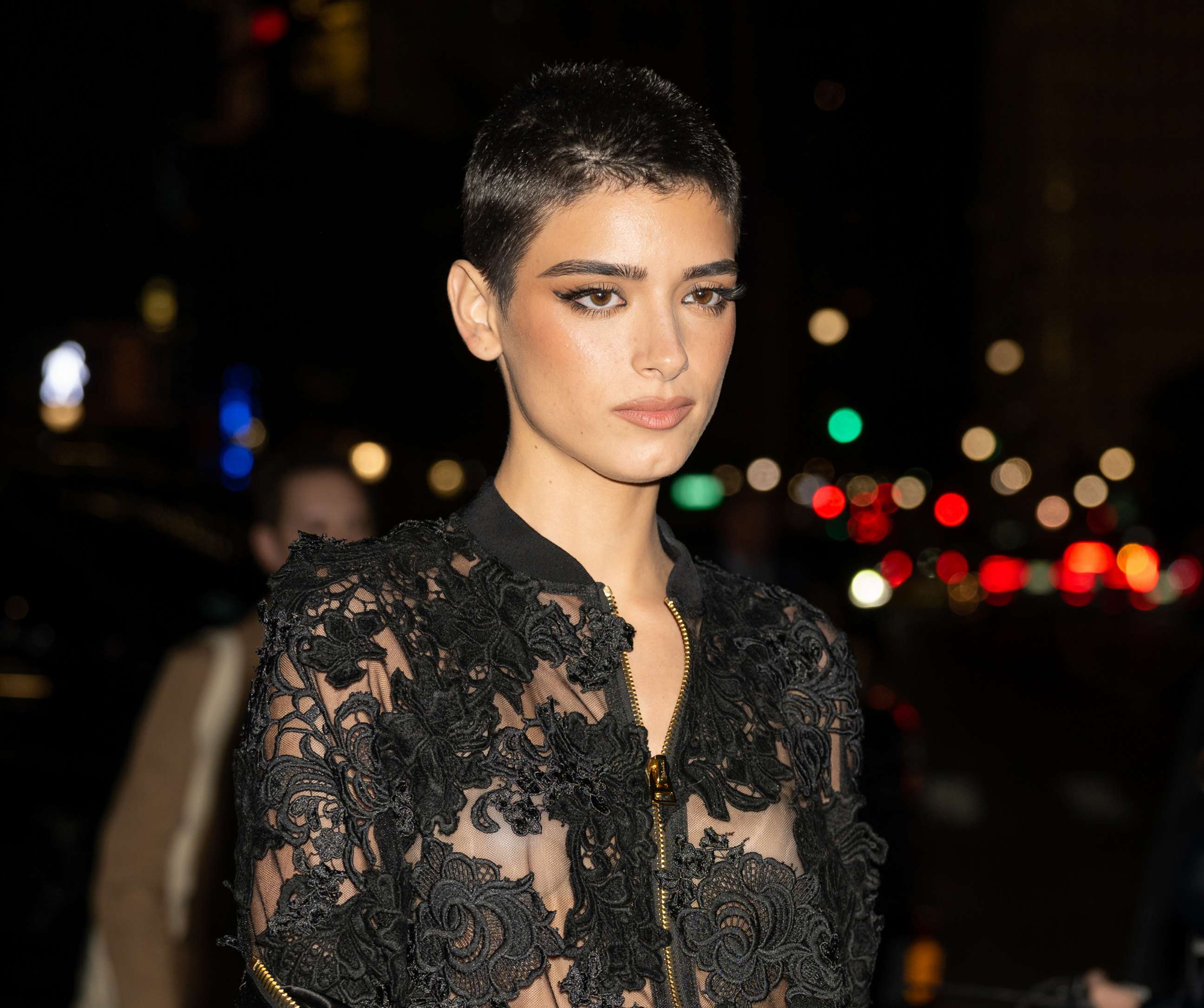
D'Amelio, who also shared her diagnosis in a livestream on Instagram, said she is talking openly about her condition in hopes of raising awareness.
"A lot of people have this but no one talks about it at all," she said on the "Pretty Basic" podcast. "It's hard to diagnose because, first of all, everyone's like, 'Oh you're a girl. You have PMS. You're just in a bad mood.'"


D'Amelio described it as "freeing" to know she is not alone in facing PMDD. "I hope there's someone who can watch this and be like oh wait, maybe that's what it is," she said.
"Good Morning America" has reached out to D'Amelio's representative for comment on her diagnosis and will update with a response.
What to know about PMDD
Premenstrual dysphoric disorder affects as many as 5% of women of childbearing age, according to the Office on Women's Health.
It is described as a condition similar to PMS but more severe in the symptoms it brings, including depression, irritability, fatigue, anxiety and tension. Physical symptoms may include headaches, cramps, bloating, joint and muscle pain, insomnia and binge eating or food cravings.
PMDD happens in the week or two before a woman's period starts, according to the Office on Women's Health.
Exactly why PMDD occurs is not yet known, though it is believed to have to do with hormonal changes. Serotonin levels, which also change during the menstrual cycle, may also play a role.
People who have a family history of depression, postpartum depression or other mood disorders may be more at risk for PMDD, according to Johns Hopkins Medicine.
When diagnosing PMDD, health care providers look for five or more PMDD symptoms, including a mood-related symptom, according to the Cleveland Clinic.
PMDD can be treated, which is why it is important to seek medical help.
Treatments can include everything from antidepressants and hormonal birth control to lifestyle changes like diet, exercise and stress-management tools, according to the Cleveland Clinic.