James Van Der Beek's death at 48 puts spotlight on rise of colorectal cancer in young people

Actor James Van Der Beek's death at age 48 is putting a spotlight on colorectal cancer, and its rise among young people.
The "Dawson's Creek" alum, a father of six, was diagnosed with Stage 3 colorectal cancer in 2023, and publicly revealed his diagnosis in November 2024.
"I've found it helpful and cathartic to share things publicly because I found a lot of support," the actor told People magazine just a few days after announcing his diagnosis. "But almost more than that, I really wanted to raise awareness."

Over the last decade, while cases of colorectal cancer -- cancer that begins in the colon or the rectum -- have decreased in adults over 55, rates in people younger than 55 are increasing.
Last month, the American Cancer Society shared new data showing that colorectal cancer is now the leading cause of cancer death in adults under age 50. Since 2005, deaths from colon and rectal cancers in those under age 50 have risen by 1.1% every year, the study found.
Six years ago, in 2020, the death of 43-year-old Chadwick Boseman -- another young actor -- due to colon cancer drew attention to the growing trend.
Here are five things to know about colorectal cancer.
Colorectal cancer includes both colon and rectal cancers
Colorectal cancer is the umbrella term for cancer that develops in the tissues of either the colon or the rectum, which are both part of the digestive system.
The colon is the longest part of the large intestine, where water and food nutrients are absorbed and where leftover waste is turned into stool, according to MedlinePlus, an online information service produced by the National Library of Medicine.



The rectum is the bottom part of the large intestine, where stool is stored.
Rectal cancer refers to cancer that originates in the rectum, while colon cancer is cancer that begins in the colon.
Research on colorectal cancer, young people is ongoing
Exactly why more people under age 50 are being diagnosed with colorectal cancer, remains unknown, according to ABC News chief medical correspondent Dr. Tara Narula, a board-certified cardiologist.
"We don't have one answer but the research points to maybe multiple things --obesity, lack of exercise, diets full of red and processed meats, some sort of environmental exposure maybe changing the gut microbiome," Narula said on "Good Morning America" last month. "We don't know yet, but probably not one particular thing."
Colorectal cancer can come from known or unknown genetic factors
Colorectal cancer is caused by changes in a person's genetic material, or DNA. Some causes of the genetic changes are unknown, while other genetic changes that increase the risk of colorectal cancer are inherited, according to the National Library of Medicine.
Risk factors for colorectal cancer include conditions such as Crohn's disease or ulcerative colitis, a family history of colorectal cancer, or different types of genetic syndromes, according to the U.S. Centers for Disease Control and Prevention.
Lifestyle factors that can increase a person's risk, according to the CDC, include lack of physical activity, obesity, alcohol and tobacco use, and a diet low in fruit and vegetables or high in processed meats and fat.
Colorectal cancer can be caught by symptoms, screenings
Symptoms of colorectal cancer include bloody stool, change in bowel habits, abdominal pain, unexplained weight loss, and diarrhea or constipation.
People with those symptoms should consult a medical provider, according to the CDC.
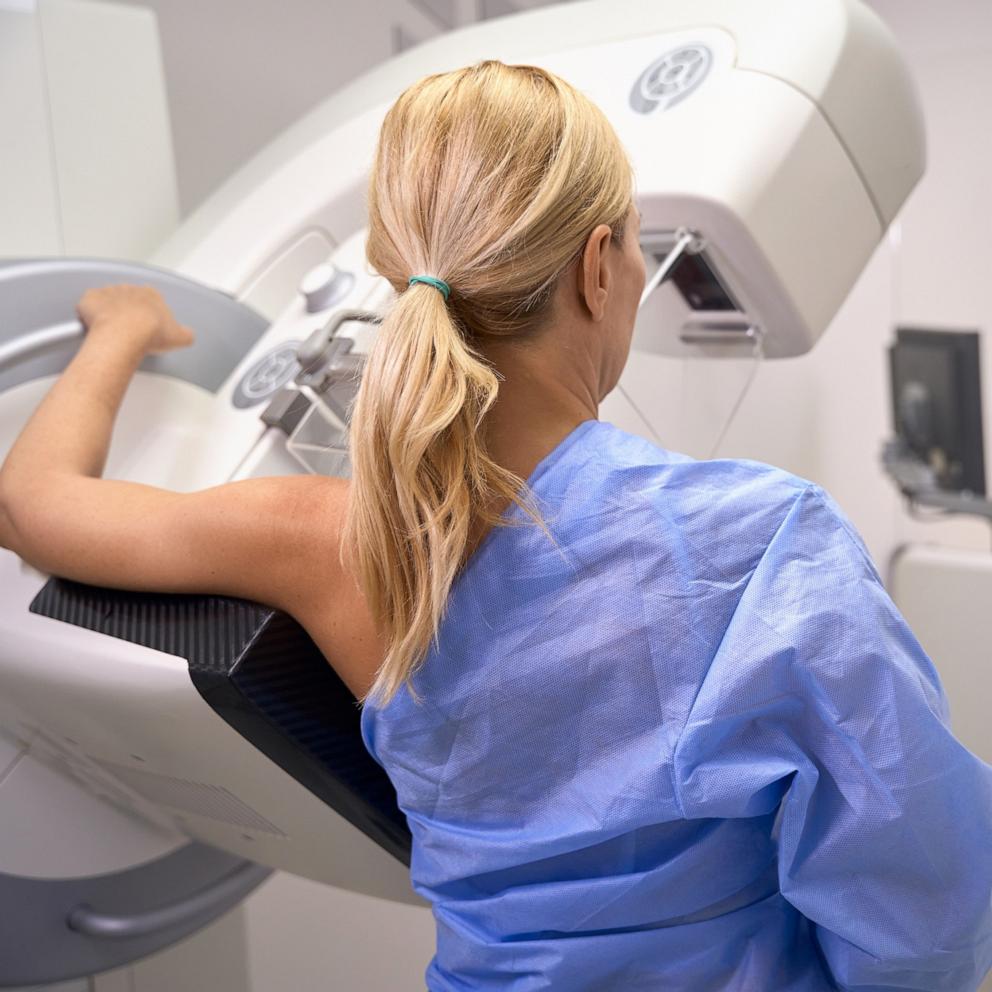
Colorectal cancer may also present with no symptoms, which is where screening for the disease -- including through colonoscopies -- plays a critical role.
Screening for colorectal cancer should begin at age 45, according to the CDC, but if you have a family history of it, you should get screened earlier for the disease.
Regular screening for colorectal cancer should continue between the ages of 47 to 75, after which the decision to be screened should be made individually in consultation with your medical provider.
Treatment for colorectal cancer ranges from chemotherapy to surgery
Several treatment options are available for people diagnosed with colorectal cancer, depending on their specific diagnosis.
For rectal cancer, treatment may include options like chemotherapy, radiation, surgery and immunotherapy, according to the National Library of Medicine.
For colon cancer, treatment may include chemotherapy, radiation or surgery, as well as other options like radiofrequency ablation, cryosurgery and immunotherapy.