What to know about the polio vaccine and why most people aren't at risk of infection

Since a case of polio was reported in Rockland County -- just north of New York City -- last month, officials have suspected that "hundreds" of cases may be circulating around the state silently.
However, public health experts say most Americans are not at risk of contracting the disease because they were vaccinated as children and protection is long-lasting.
"The average person has really very little risk of acquiring polio if they've been vaccinated," Dr. Daniel Kuritzkes, chief of the division of infectious diseases at Brigham and Women's Hospital in Boston, told ABC News. "The odds are very low."
There are two vaccines used to protect against polio infection: the inactivated poliovirus vaccine and the oral poliovirus vaccine.
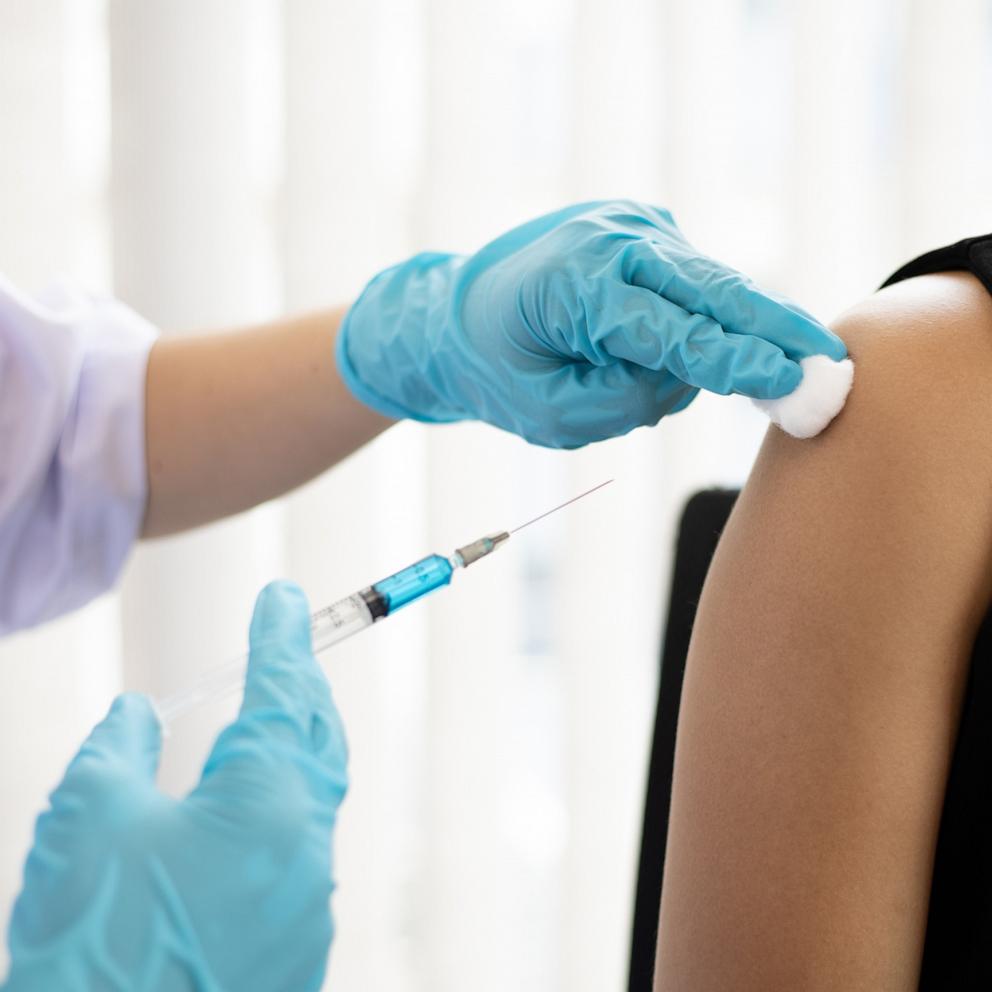
The inactivated poliovirus vaccine, or IPV, is injected and uses an inactivated version of the virus. It's the only vaccine that's been used in the U.S. since 2000.

The Centers for Disease Control and Prevention recommends children receive four doses of the vaccine with one dose each administered at 2 months old, 4 months old, between 6 months and 18 months old, and between ages 4 and 6. More than 92% of children are vaccinated with at least three doses by age 2, the CDC says.
According to the CDC, it is highly effective and 99% of people who receive all recommended doses are protected against severe disease caused by polio.
"It's an incredibly effective vaccine and it is reasonably long-acting," Kuritzkes said.
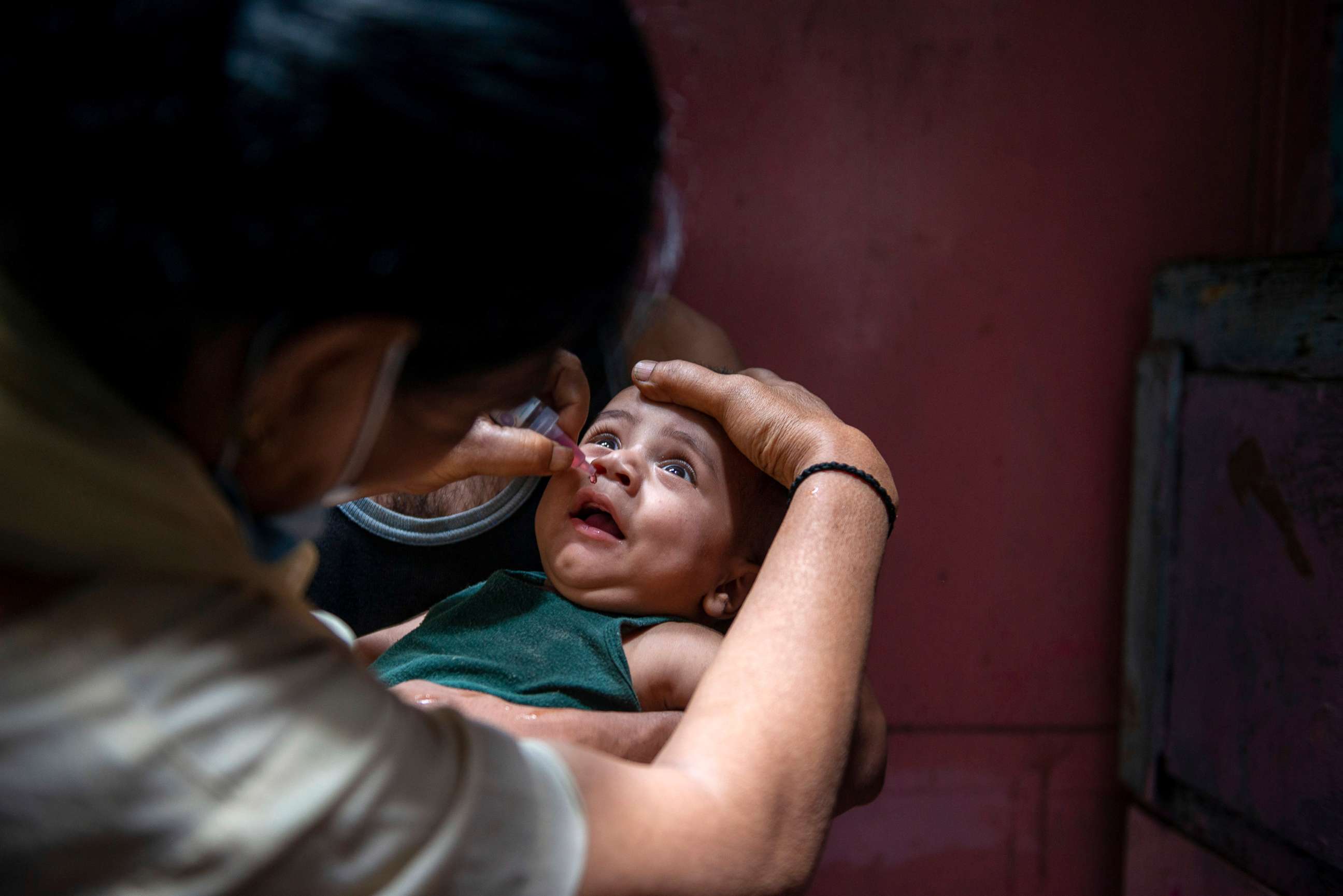
The second vaccine, the oral poliovirus vaccine, or OPV, is given orally and uses a live weakened version of the virus. It was the most common vaccine since it was developed in 1961.
"Most of us who are more than 30 years old received the oral polio vaccine," Kuritzkes said. "There used to be campaigns in schools. They would put the vaccine in a sugar cube and people would eat the sugar cube, if they weren't getting the vaccine already from their local pediatrician."
While the oral vaccine was incredibly important in helping to eliminate polio in the United States -- especially because it was easier and cheaper to administer than an injectable vaccine -- it also comes with the risk of vaccine-derived polio.
In rare cases, someone who receives the oral vaccine can shed the virus in their stool and it can spread when an unvaccinated person is exposed to that contaminated fecal matter.
"As a result, the decision was made that really it would be better to use a newer inactivated poliovirus vaccine and that's now the standard vaccine that's used in the United States, and in most countries," Kuritzkes said.
Health officials have said most adults do not need to receive the polio vaccine because they were already vaccinated as children.
However, it is recommended they receive a booster shot if they are traveling to an area where polio is actively spreading.
Kuritzkes added that even if someone who has been vaccinated did get infected, most polio cases are asymptomatic so it would be very unlikely for a vaccinated person to develop a severe case of polio and end up paralyzed.
He stressed that it is most important right now to make sure unvaccinated people get vaccinated or they stay up to date on their shots "first and foremost, to protect themselves from becoming infected and, secondly, to prevent the infection from being passed on to others."