Science shows coronavirus can survive on plastic, metal surfaces, but does it matter?
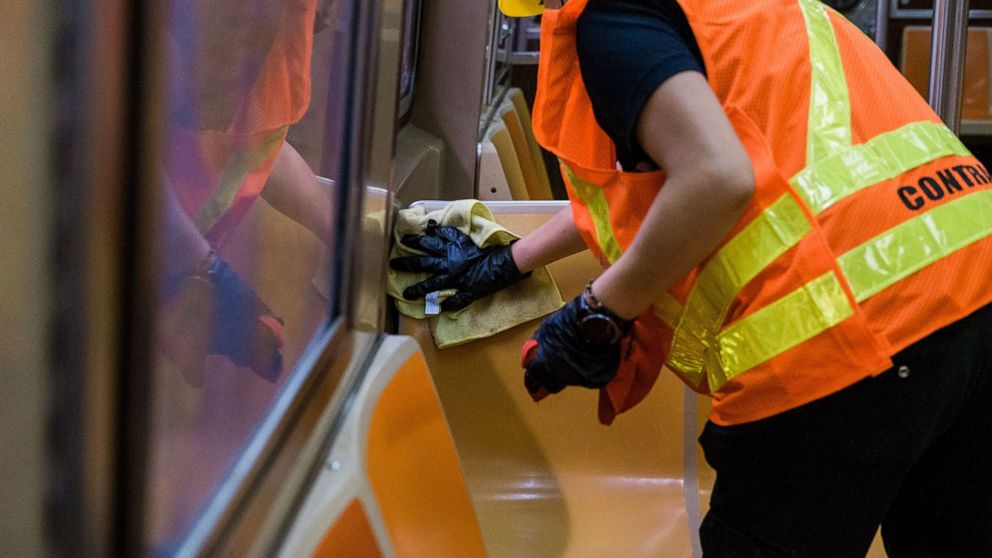
Yes, the novel coronavirus can survive on surfaces. No, it doesn't seem to matter.
Last week, a new coronavirus outbreak in New Zealand -- where cases were originally thought to be linked to frozen food -- again begged the often asked but rarely answered question: Can you catch COVID-19 from a surface contaminated with the virus?
While experts say it's impossible to completely rule out the possibility that someone might touch a surface covered in coronavirus and then inadvertently become infected, there have been no documented cases of this happening in real life.
At the start of the pandemic, we wiped down our groceries because we weren't sure. Now, experts say it's not a major concern -- although they continue to encourage good hand hygiene.
"I think that overall, while it is possible and can't be ruled out, it seems unlikely given the way that we think the virus is transmitted," said Dr. Todd B. Ellerin, an infectious disease specialist at South Shore Health in Massachusetts.
New Zealand's health authorities ruled out the possibility that their coronavirus resurgence was caused by frozen food or other freight.
To test for viruses on surfaces, scientists use a swab not unlike a cotton q-tip and rub it all over the surface in question. Then, they put the sample through the same machines used to test for viruses in people.
But the scientific uncertainty about viral transmission has left the public feeling on edge about packages, food, and other surfaces, and wondering whether these could be infected with the coronavirus.
Early on in the pandemic, scientists were worried about this too.
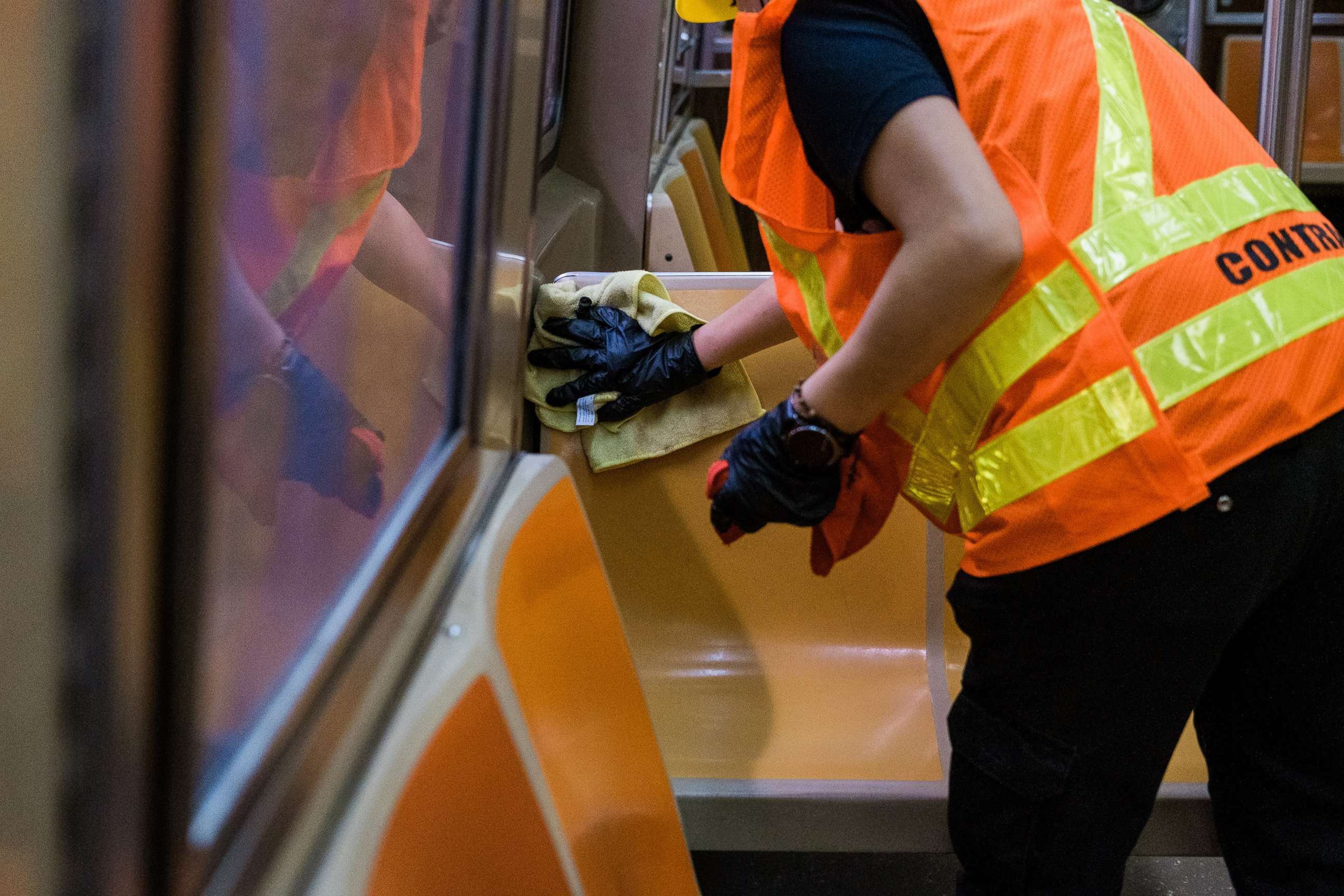
In January, a cluster of more than two dozen COVID-19 cases was once thought to be linked to surfaces like elevator buttons and restroom faucets in a shopping mall in Wenzhou, China. Researchers, however, were ultimately unable to say whether this cluster of cases was actually caused by surface-to-person transmission.
A widely publicized study in the New England Journal of Medicine two months later raised further concern with its report that the coronavirus could survive on plastic and stainless-steel surfaces for up to 72 hours. On cardboard, the virus was found to last 24 hours.
In Early April, worries intensified when research published in The Lancet found that the virus was still viable on glass after four days and on steel after a staggering seven.
Then, the Centers for Disease Control and Prevention released guidelines for what to wipe down, including frequently touched surfaces like doorknobs and personal electronics, as well as which disinfectants to use.
But as Americans feverishly decontaminated their homes, some experts started to question if the science was being overblown.
According to a commentary published in The Lancet by Emanuel Goldman, Professor of Microbiology, Biochemistry and Molecular Genetics at the New Jersey Medical School of Rutger's University, these early studies investigating how long the coronavirus could last on surfaces did not represent reality. He argued that the researchers sprayed way more of the virus onto the various surfaces they were testing than we'd ever see from a simple cough or sneeze in real life.
"In my opinion, the chance of transmission through inanimate surfaces is very small, and only in instances where an infected person coughs or sneezes on the surface, and someone else touches that surface soon after the cough or sneeze (within 1-2 hours)," Goldman said.
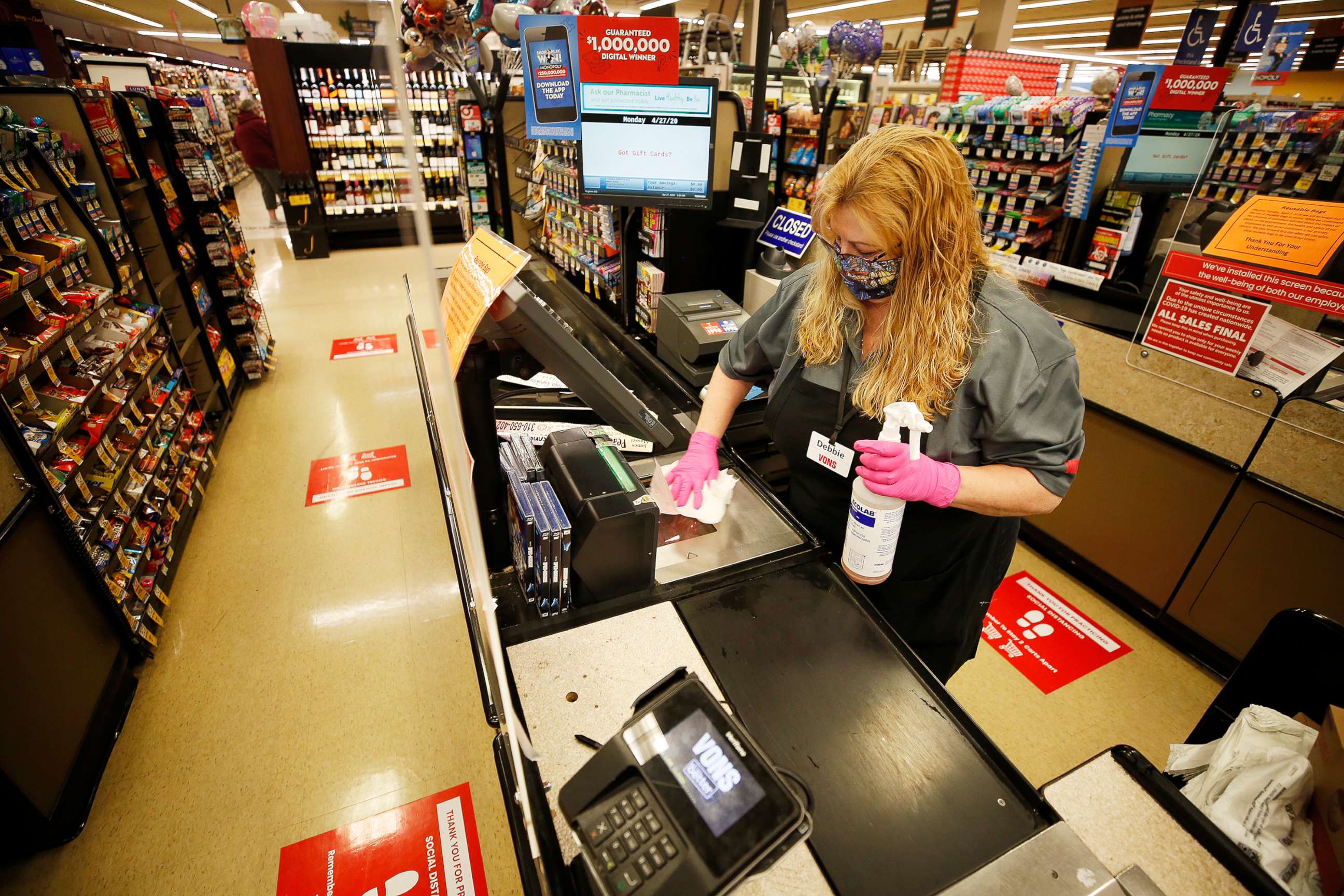
The CDC and the World Health Organization have said that no COVID-19 infections to date have been directly linked to surfaces contaminated with the coronavirus. Their guidelines for routinely cleaning and disinfecting frequently touched surfaces, however, stand.
But what about surfaces that can't be disinfected, like frozen food? This is a question that burgeoned on July 3, when imported shrimp in China was found to be contaminated with the coronavirus. Although the outer packaging tested positive, the inner packaging and shrimp themselves tested negative.
Then, there was the New Zealand outbreak just last week that was initially thought to have started with a man who may have handled contaminated frozen meat, which has since been debunked. Most recently, the virus has been identified on frozen chicken wings from Brazil and shrimp from Ecuador.
Although research has shown that the coronavirus may last longer in colder environments -- prompting some concern over its ability to linger on frozen food -- experts still don't believe it is something to worry about.
Dr. Ben Singer, physician-scientist in pulmonary and critical care medicine at the Northwestern University Feinberg School of Medicine called it only "a theoretical concern" that someone could catch COVID-19 from contaminated frozen food.
The CDC has similarly said, "There is no evidence to support transmission of COVID-19 associated with food."
According to the latest science, experts recommend common-sense techniques for preventing COVID-19: wear a mask, follow social distancing protocols and -- especially before you eat -- wash your hands.
Nate Wood, M.D., is an internal medicine/primary care resident at Yale New Haven Hospital and a contributor to the ABC News Medical Unit.