5 steps you can take now to boost your fitness and avoid severe illness from COVID-19
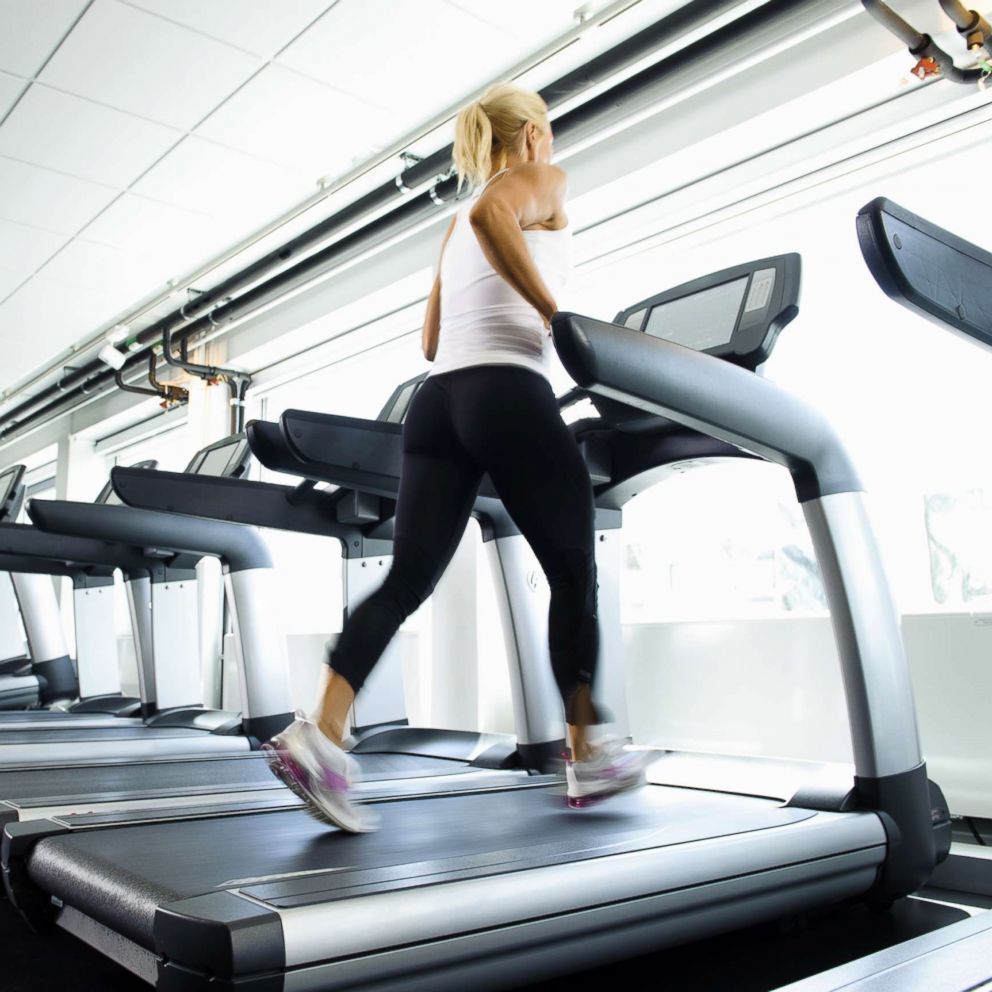
Exercise is good for your health, but researchers are now finding that better cardiovascular fitness might save you from a trip to the hospital if you are diagnosed with COVID-19.
According a new study from Henry Ford Hospital, people with better cardiovascular fitness may be less likely to be hospitalized with the virus. This study looked at 246 patients who had undergone a heart exercise test known as a "stress test" and then stayed in touch with those patients to see which ones were later diagnosed with COVID-19 and hospitalized.
The researchers learned that patients who had better exercise capacity during their test were less likely to get hospitalized with COVID-19 later on, suggesting that people can decrease their chances of getting severely sick with COVID-19 by improving their cardiovascular fitness. Here are five steps you can take now to boost your fitness and boost your chances of avoiding severe illness from COVID-19 in 2021.

1. Find your "why."
Many people start and stop new fitness routines. Let's make your new fitness goals stick. Firstly, why do you want to improve your fitness? What difference will better fitness make in your life?
Next, consider which obstacles will try to get between you and your goal (feeling too tired, limited on time, etc.). Knowing your challenges ahead of time will help you feel more prepared to carry out your new goal.
2. Consider your options.
It's important to assess your current state of health before you start exercising. If you have health issues, you'll want to consult your doctor first before starting a new routine.
Afterward, consider various levels of exercise, from walking to jogging to weights or fitness classes. Choose one that is appropriate for your state of health.
3. Create a plan that you can stick to.
In fitness, consistency is key. Many start the new year with ambitious goals of waking at dawn and spending hours at the gym, but these plans often fade as work responsibilities and sleep deprivation build after the holidays.
Instead, choose a time that you can block off every day and find efficient exercise routines of 30-60 minutes duration. Start easy and ramp up slowly.
4. Remove obstacles.
Avoid your common pitfalls. Do you often plan to go to the gym after work but lose your motivation once you get home? Bring your gym bag to work so you can go directly to the gym afterward.
Do you run out of time in the morning? Prepare your morning chores ahead of time (pack lunches, choose your outfits) so you can be more efficient in the morning.
5. Make it fun.
Cardiovascular exercise is easy if it's something you enjoy. If you abhor the treadmill, consider joining a COVID-safe dance class, playing tennis, or going for brisk hikes. Consider getting outside and making your exercise a bright spot in your day.
Improving our fitness is often a top New Year's resolution, but now more than ever, this goal is of utmost importance. Use the tips above to make 2021 a healthy new year and boost your chances of avoiding severe illness from COVID-19.
Nicholas Nissen, M.D., is a clinical fellow and resident physician at Harvard Medical School and an ABC News Medical Unit doctor.