Textured breast implant recalled due to risk of rare cancer: What you need to know

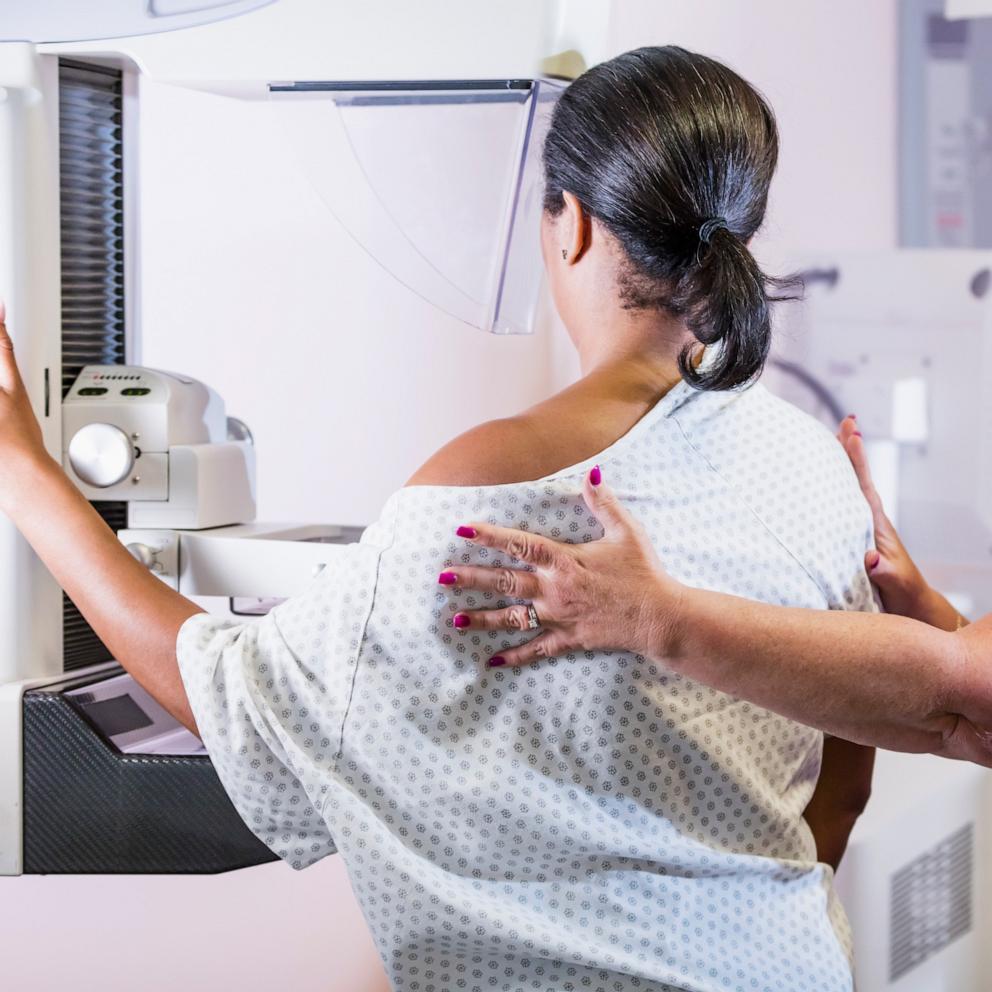
Pharmaceutical company Allergan announced a recall of its BIOCELL textured breast implants and tissue expanders on Wednesday, following a request from the Food and Drug Administration.
The textured BIOCELL products have been associated with breast implant-associated anaplastic large cell lymphoma (BIA-ALCL), according to the FDA.
Here are the key points of the recall, and what it means if you already have or are considering breast implants.


What do I need to know about the recall?
The recall means the implants won’t be distributed or sold in the U.S. anymore, and doctors won’t implant them. Allergan has also announced a worldwide recall.
This recall does not affect Allergan's NATRELLE smooth or MICROCELL breast implants and tissue expanders.
What is BIA-ALCL and why does it happen?
BIA-ALCL is a type of lymphoma -- a cancer of immune cells. It is not breast cancer.
Even though millions of women have breast implants, only 573 have been diagnosed with BIA-ALCL worldwide, according to the FDA.
“The overall risk for a woman on the high side is about one in 3,800 -- and on the very low side the risk is about one in 30,000,” said Dr. Jennifer Ashton, chief medical correspondent for ABC News. “As we say in medicine, the increased risk of a rare event is still a rare event.”
“It’s important to keep this in perspective -- it’s a relatively rare complication,” Dr. Oren Tepper, director of aesthetic surgery at Montefiore Health System, told ABC News.
Doctors don’t know exactly what causes BIA-ALCL. One theory is that there is an inflammatory reaction to the surface of the breast implant, causing immune cells to accumulate and become cancerous. Another idea is that the immune system reacts to a bacterial “biofilm” that coats the surface of the implant.
The FDA has published an extensive Q+A for people who want to learn more.
Do certain types of breast implants have a higher risk?
The Allergan BIOCELL textured implants have the highest risk of BIA-ALCL, according to the FDA.
The agency’s data suggest that the risk BIA-ALCL with Allergan BIOCELL implants is six times higher than with textured implants from other manufacturers in the U.S., like Mentor and Sientra.
The textured BIOCELL implant has a rough outer shell, which allows it to maintain its shape, versus smooth breast implants which move more freely and feel softer.
Although there is a potential risk with all implants, textured implants are associated with a higher risk of BIA-ALCL when compared to smooth implants, according to the FDA.
If I already have a breast implant, what should I do?
The guidance from the FDA is clear: do not remove your implant preemptively.
“The advice for women who don’t have any symptoms is to do watchful waiting -- do not have them removed preemptively, as those risks outweigh any benefit,” Dr. Ashton said.
It’s important for women to stay alert to signs and symptoms in their bodies.
“Awareness, awareness, awareness: we’re talking about things like pain, redness or swelling, asymmetry, or a new lump” said Dr. Ashton.
If you are concerned, talk to your healthcare provider. A physical exam, imaging and testing of any fluid around the implant will help your doctor make a diagnosis.
If I don’t know what type of breast implant I have, how do I find out?
“Anyone who gets any kind of device or foreign body implanted gets a card from the manufacturer with information on it,” Dr. Ashton advised. “They could also ask their plastic surgeon if they are unsure.”
“Every breast implant has an inventory number -- facilities keep it on file and it should be part of your medical record," said Dr. Tepper.
What should I do if I’m considering breast implants?
Like with any surgical procedure, go through the risks and benefits of breast implants with your health care provider. In its guidance, the FDA has emphasized that no matter what type of implant you receive, the risk of BIA-ALCL should be discussed with you.
“The type of implant you have -- smooth or textured -- is in part a discussion with the healthcare provider, and in part surgeon’s preference -- but for now, most surgeons think that the benefits of textured implants don’t outweigh the risk,” Dr. Tepper told ABC News.
“The main take-home: any time you get a medical device implanted in your body, you should find out who makes it, what type it is, what size it is, what the covering is -- you need to know everything about it,” Dr. Ashton said.
Dr. Laith Alexander is an MB/PhD student at the University of Cambridge, U.K., and a member of the ABC News Medical Unit.